
Virtual Districts: Engineering a "Trim Tab" for Modern Governance
558_Digital government through social networks how citizens can aggregate their money and votes to define digital government.
This paper explores "Digital Government" through a social networking framework designed to aggregate citizens' money and votes to influence governance. It proposes a platform of 435 "Virtual Congressional Districts" that map digital activism to real-world geographical jurisdictions, leveraging the "participatory surplus" seen in major political campaigns to create a persistent mechanism for policy-making.
TL;DR
In this seminal 2009 vision, Britt Blaser, David Weinberger, and Joe Trippi argue that the "participatory surplus" of the internet—previously used only for winning elections—can be harnessed to actually run the government. By creating 435 Virtual Congressional Districts that aggregate citizen money and votes, the authors propose a social networking architecture that forces politicians to listen by aligning policy with their career survival.
The Problem: The Disconnect Between Clicks and Consequences
Politicians primarily care about two things: money and votes. While the internet has made it easier to express "viewpoints," these voices are often ignored because they are decoupled from the levers of power. Prior work in digital government often focused on digitizing old paper processes rather than redesigning the power dynamic.
The authors identify a critical gap: political power is regional. Most online activism is "placeless," making it easy for a Congressperson in a specific district to ignore a national trend. To move from "politics" to "governance," a digital system must map directly to the geographical jurisdictions where politicians actually face consequences.
Methodology: The Ladder of Engagement
The core of the proposal is not just a chat room, but a structured workflow. The authors adapt Forrester Research's "Ladder of Engagement" to create a specific hierarchy of political activism.
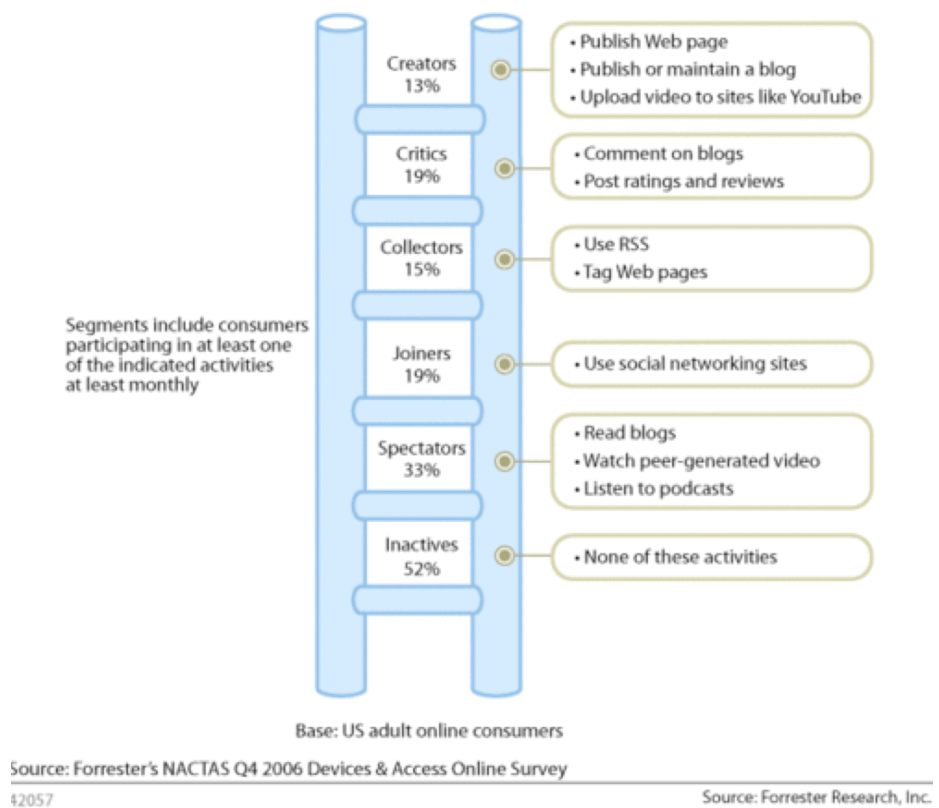
However, they refine this into a Citizen Governance Ladder:
- Readers: Consuming information.
- Critics: Providing feedback.
- Creators: Proposing policy language.
- Joiners: Committing to a cause.
- Doers: Campaigning and lobbying.
- Leaders: Organizing the virtual district.
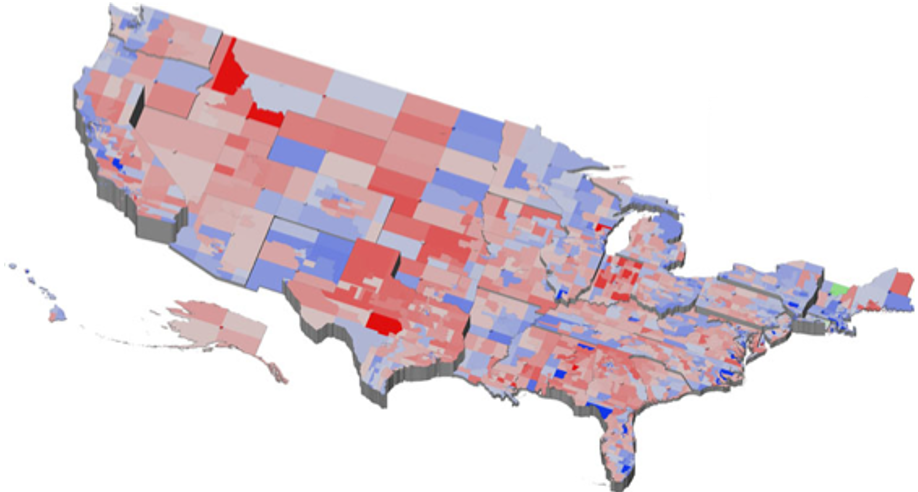
The methodology relies on a "Trim Tab" effect. Just as a small trim tab on an airplane moves a much larger rudder, a small but organized group of authenticated voters in a Virtual District can steer a massive government agency by making their support contingent on specific outcomes.
The Power of the 435 Virtual Districts
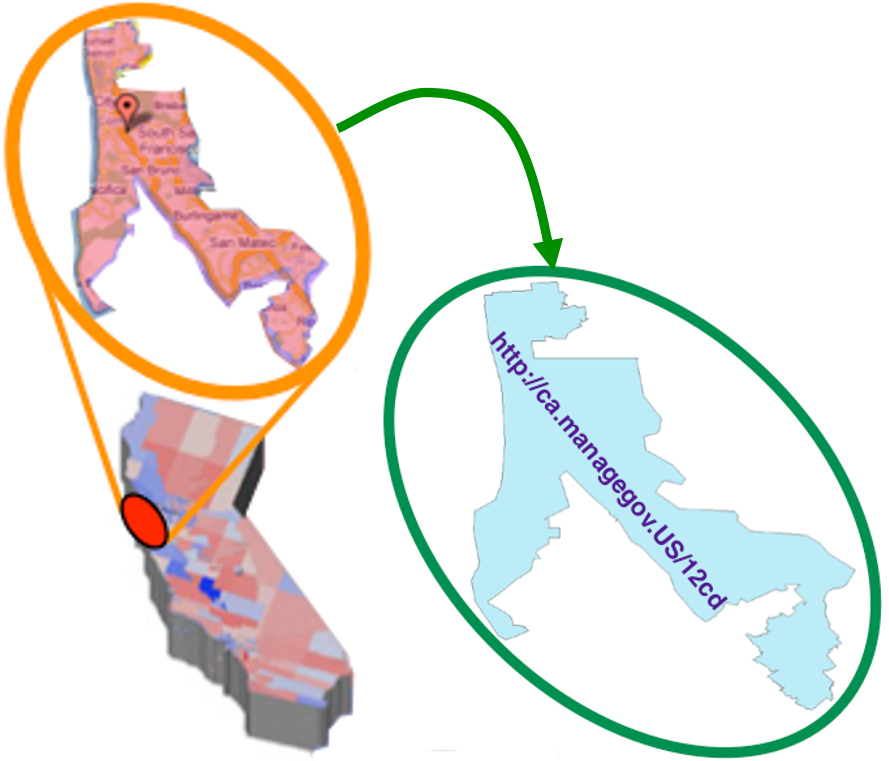
The architecture proposes a "barackobama.com" for every single congressional district. Unlike mainstream social media, these networks would be:
- Geographically Tagged: Content is organized by district, ensuring the "public pulse" is audible to the specific representative in power.
- Career Focused: They track how a politician's committee votes affect the district, removing the "cloak of legislative anonymity."
- Trust-Owned: To prevent the platform from being sold or censored, the authors designed a "Non-corporeal Trust" model to ensure that no single entity owns the network of governance.
Case Study: Digital Signatures
To prove the concept, the authors outline a workflow for passing a Digital Signature bill. Instead of a top-down lobbyist approach, the network:
- Drafts the bill collaboratively.
- Identifies the subcommittees in charge.
- Activates the "Virtual Districts" of the specific members on those committees.
- Aggregates "pledges" of votes and money, making it more profitable for the politician to support the bill than to follow a lobbyist's check.
Final Insight: The Ball Governor of Democracy
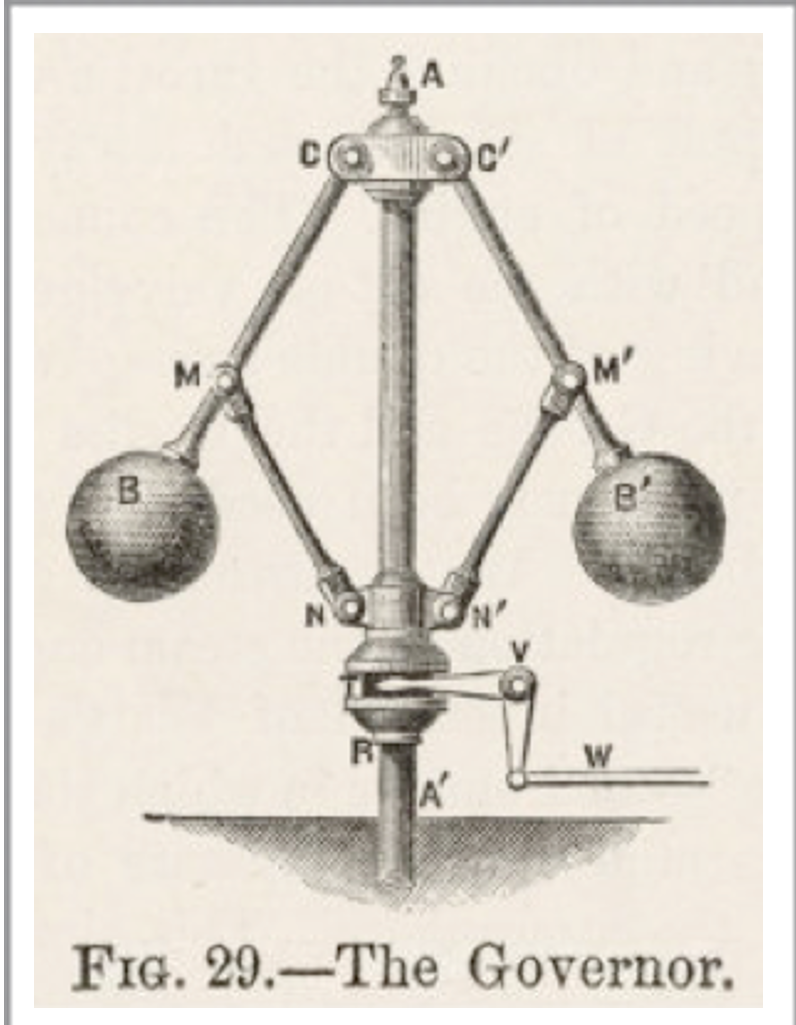
The authors conclude with a physiological metaphor: the "centrifugal ball governor" of the Industrial Revolution, which regulated engine energy automatically. A virtual governance network acts as an automatic regulator for democracy, allowing citizens to manage their government with the same "participatory surplus" once reserved for TV and gin.
Critical Perspective: While the vision of 2009 was optimistic, the paper's emphasis on ownership and geographic grounding remains prophetic. In an era of rampant misinformation, their call for "authenticated but anonymous" regional networks is more relevant than ever—though the challenge of scale and algorithmic bias remains the next hurdle for this "governance of governance."