
Digital Walls in Shared Spaces: How Cell Phone Addiction Eroded Family Bonds During COVID-19
Addictive Cell Phone Usage: Impacts on Family Interaction During COVID-19 Pandemic
This study investigates the impact of addictive cell phone usage on family interaction during the COVID-19 pandemic. Using a survey of 250 participants, the researchers analyze how the shift in mobile habits influenced domestic relationships, finding that while the lockdown provided an opportunity for closeness, increased device dependency often negated these benefits.
TL;DR
The COVID-19 pandemic offered a rare "social experiment" where families were forced into constant proximity. However, new research from Purdue University Northwest reveals that instead of fostering closeness, the lockdown triggered a massive surge in addictive cell phone usage. With a 253% increase in heavy users (5+ hours daily), the digital screen became a "wall" that neutralized the benefits of being home together, with 41% of families reporting a net negative impact on their relationships.
The Paradox of Forced Proximity
Before 2020, we blamed "busy schedules" for the lack of family time. The pandemic removed that excuse, yet it introduced a more formidable barrier: Cognitive Overload and Boredom. The research highlights a troubling trend where the phone was no longer just a tool, but a primary escape mechanism.
The authors argue that "Phubbing"—the act of snubbing someone in favor of a phone—reached a fever pitch. When parents and children are physically in the same room but digitally in different worlds, the result is a feeling of functional rejection.
Methodology: Mapping the Digital Shift
The study captured data from 250 participants across a wide age spectrum (18 to 53+). By comparing pre-pandemic habits with lockdown behavior, the researchers visualized a dramatic "right-shift" in the usage curve.
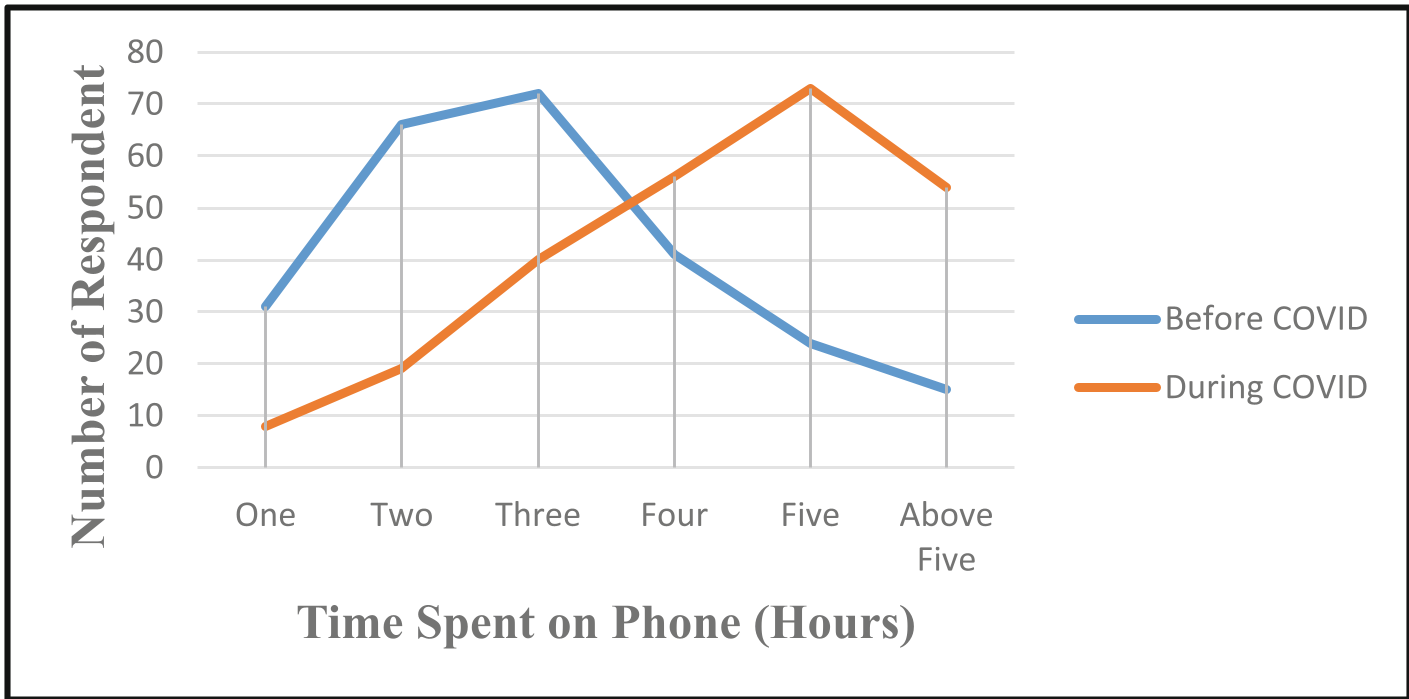 Figure 1: The drastic rise in high-duration phone usage during the lockdown.
Key Behavioral Shifts:
- The Boredom Trigger: 46% of respondents turned to their phones during family time specifically because they felt bored, a significant jump from 30% pre-pandemic.
- The Content Gap: Only 15% used their devices to actually chat with family members. The vast majority (47%) were consumed by social media, streaming video, and gaming.
- The "Annoyance" Factor: Interestingly, the study noted that while usage went up, the tolerance for others' usage also shifted, though qualitative comments suggest a "simmering resentment" among children regarding their parents' digital habits.
Results: The Destruction of Potential Advantages
The most poignant finding is the "destroyed advantage." Approximately 54% of participants felt that their family interaction could have improved during the lockdown. The time was there. The opportunity was there. But the addictive nature of the cell phone acted as a saboteur.
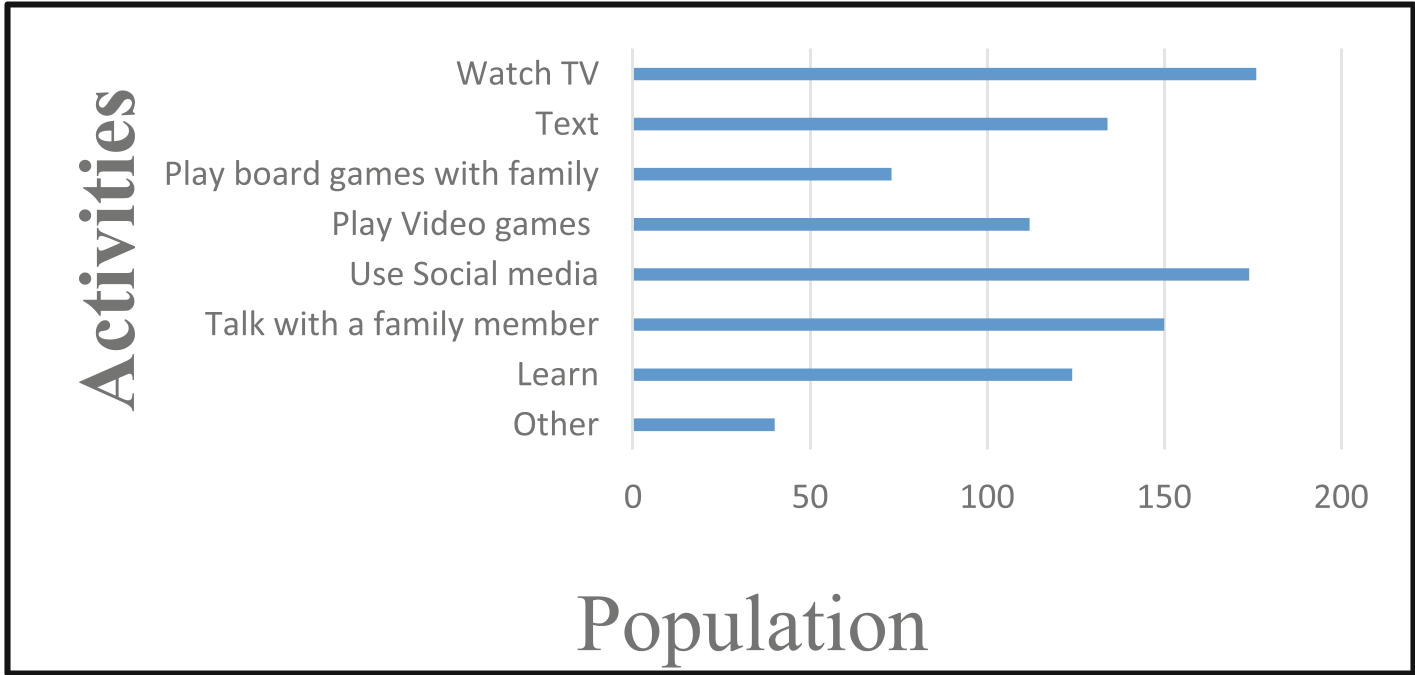 Figure 2: Activities during COVID-19—highlighting the dominance of personal entertainment over family engagement.
Qualitative data provided "vivid" evidence of this friction. One respondent noted that their parents' phones were "constantly ringing," describing the environment as "disrupting" and "annoying." Another noted that family members would use devices while simultaneously "trying to pay attention" to each other, leading to a shallow, fragmented form of communication.
Critical Analysis: Why This Matters for the Future
The study offers a sobering insight: Technology is a double-edged sword.
- On one hand, it enabled e-learning and kept families connected to essential workers and the elderly.
- On the other hand, it created "digital silos."
The researchers suggest that the "loneliness without communication" caused by digital addiction might have even contributed to the psychological toll and higher "death toll" (stress-related) during the pandemic.
Limitations & Strategy
The study relies on self-reported data, which can often be subject to recall bias. However, the consistency of the findings—that screen time increased at the direct expense of relational quality—is too significant to ignore.
Future Outlook: The paper concludes with a call for "Self-Control." For families moving forward, the lockdown served as a warning. Without intentional "device-free zones" or "media limits," the convenience of the cell phone will continue to erode the foundations of domestic interaction.
Conclusion
This work serves as a vital reminder that in the age of the smartphone, presence is not engagement. To prevent the "addictive" nature of technology from destroying family bonds in future crises, we must prioritize cognitive presence over digital consumption.