
SN-Learning: Bridging the Gap Between Social Networking and Adult Education
Advancing Adult Online Education through a SN-Learning Environment
This paper introduces a specialized SN-Learning (Social Network-based Learning) platform designed for adult education, specifically teaching C# programming. It bridges the gap between social networking technology and Andragogy—the theory of adult learning—to provide a personalized, collaborative, and self-directed online environment.
TL;DR
Adult learners are not just "older students"; they require a fundamentally different pedagogical approach known as Andragogy. This paper presents a prototype SN-Learning (Social Network-Learning) platform that transforms the "distraction" of social media into a powerful educational tool, specifically tailored for adults learning C# programming. By aligning social interaction with adult learning theories, the system achieves higher engagement and personalized learning outcomes.
Background: Why "Pedagogy" Fails Adults
Most educational software is built on pedagogical models designed for children—a top-down, teacher-led approach. Adults, however, are:
- Self-Directed: They take responsibility for their own learning.
- Experience-Driven: They filter new information through a lifetime of existing knowledge.
- Results-Oriented: They want to solve real-world problems, not just pass tests.
The authors argue that current e-learning lacks the collaborative "vibe" and personalization that adults need. Their solution? SN-Learning.
Methodology: Mapping Andragogy to Architecture
The core innovation of this work is the systematic mapping of Malcolm Knowles’ Andragogy principles into functional software features. Instead of just adding a "chat" button, the authors redesigned the learning flow.
The Feature-Theory Map
| Andragogical Principle | SN-Learning Implementation |
|---|---|
| Self-directedness | Adaptive tutoring, descriptive feedback, and anytime-anywhere access. |
| Role of Experience | User-generated content, forums for sharing professional insights. |
| Motivation | Progress-based badge system and adaptive motivational messaging. |
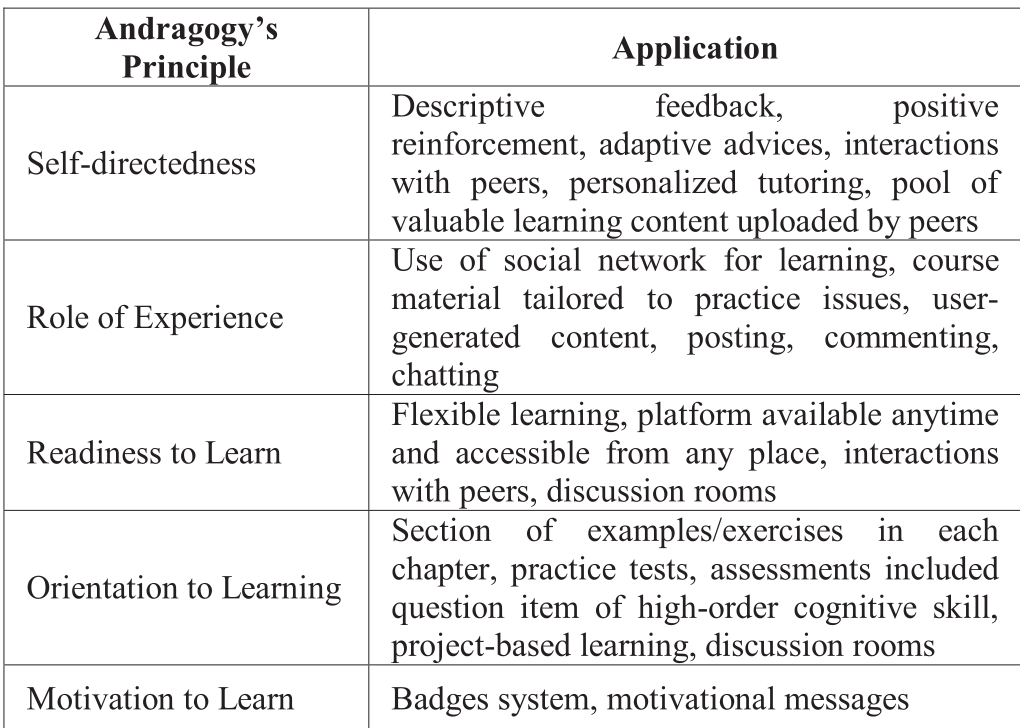 Figure 1: How the platform translates educational theory into social features.
System Architecture and Specialization
The platform isn't just a skin over a textbook. It includes:
- Personalization Engine: Adapts content delivery based on the student's unique learning style.
- Social Layer: Incorporates "reactions," posts, and comments to make learning a communal experience.
- Gamification: A badge system rewards incremental progress, which addresses the "Internal Motivation" factor of adult learners.
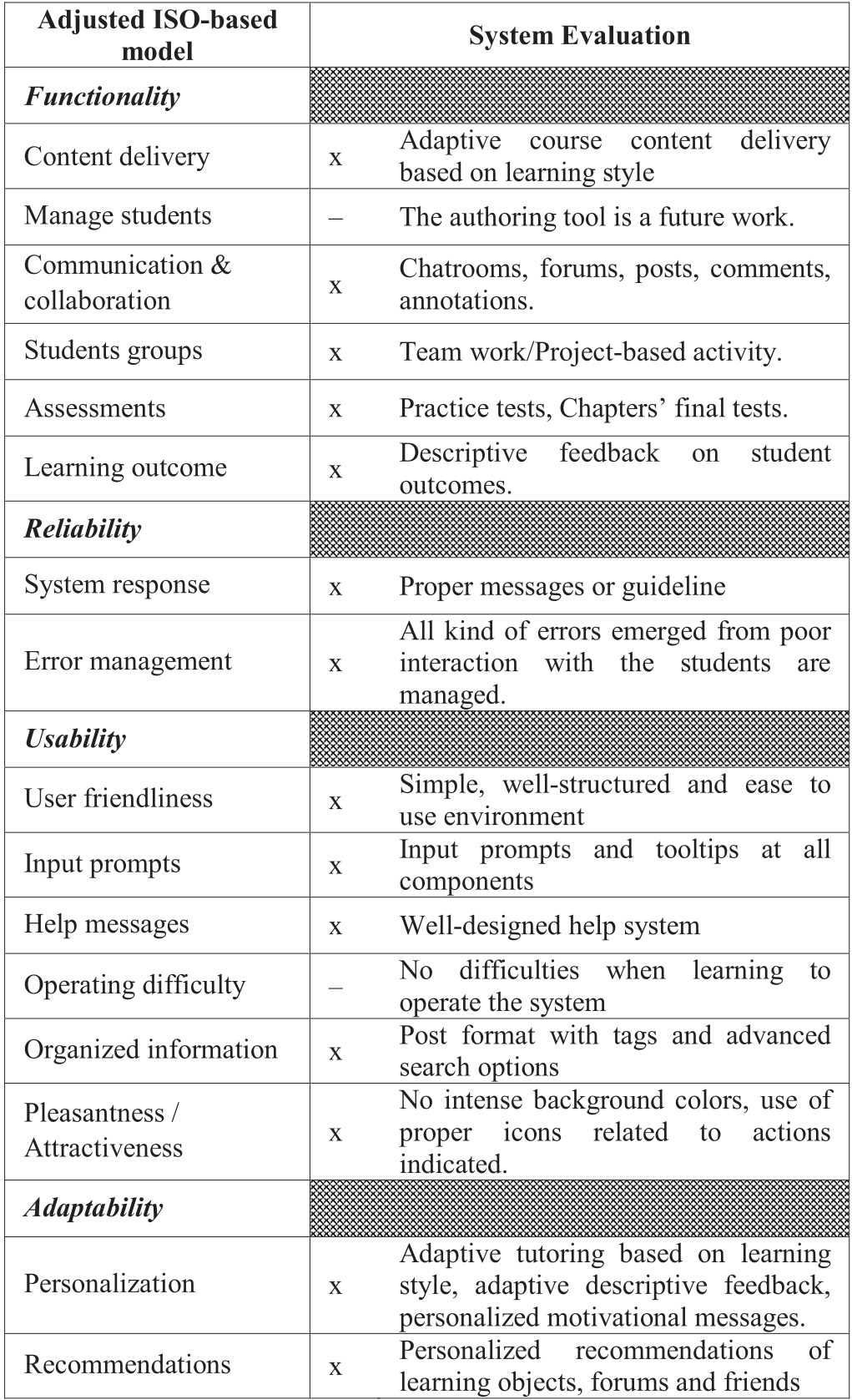 Figure 2: The ISO-based framework used to validate the platform's technical specifications.
Experimental Results: Do Adults Actually Like It?
The authors tested the platform with 35 adult students, most of whom had professional backgrounds in Computer Science or STEM. The evaluation was twofold:
- Technical Quality: Validated via an adjusted ISO 25010 model, ensuring reliability and usability.
- Pedagogical Affordance: Measured via Likert-scale surveys aligned with Andragogy.
The results were overwhelmingly positive. As seen in the figure below, the "Readiness to Learn" and "Self-directedness" metrics received high scores, suggesting that the social network format makes learners feel more in control of their education compared to traditional LMS (Learning Management Systems).
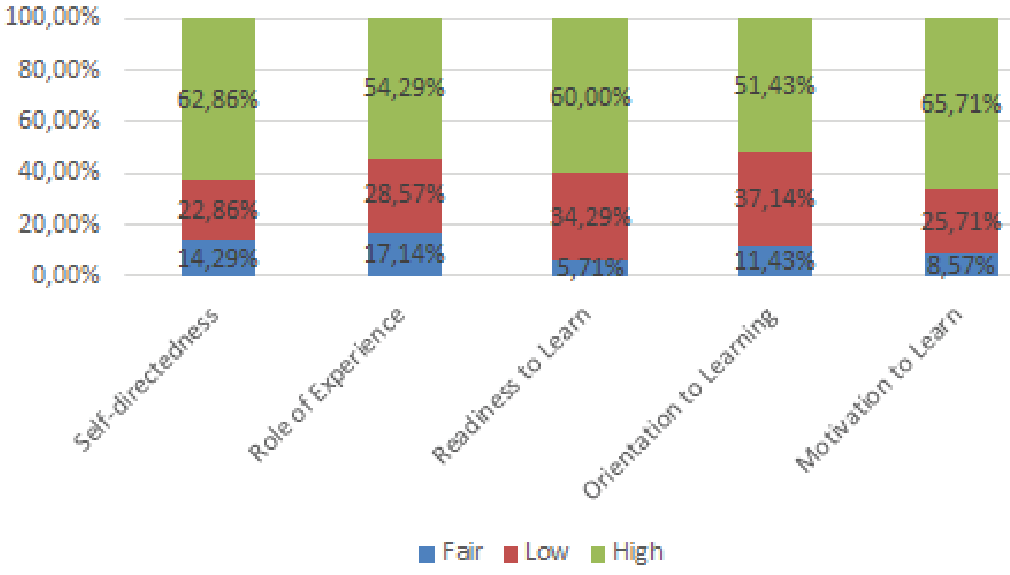 Figure 3: High student acceptance across all five pillars of Andragogy.
Critical Insight & Conclusion
The significance of this research lies in its Theory-to-Tech alignment. Many developers believe that adding a "Like" button makes a tool "social." This paper proves that for social learning to work for adults, it must be deeply integrated with psychological triggers—like recognizing prior experience and providing immediate, descriptive feedback.
Future Outlook: While the prototype is promising, the authors acknowledge the need for more robust authoring tools for instructors. As AI continues to evolve, the "Personalization" aspect of such SN-Learning environments could potentially reach the level of a 1-on-1 human tutor, making lifelong learning more accessible than ever.