
ARAA: Revolutionizing ASD Therapy Through Affective Robot-Assisted Interaction
Design of affective robot-assisted activity for children with autism spectrum disorders
The paper introduces Affective Robot-Assisted Activity (ARAA), a comprehensive framework designed to foster social interaction in children with Autism Spectrum Disorders (ASD). It features a doll-type tele-operation interface and wearable EMG-based facial expression recognition to enable improvised, child-driven therapeutic sessions.
TL;DR
Researchers have developed a framework called Affective Robot-Assisted Activity (ARAA). Unlike traditional rigid robot therapies, ARAA allows therapists to improvise robot movements in real-time using an intuitive doll-type interface while simultaneously monitoring the child’s emotional state through a wearable EMG "smile detector."
Background Positioning
In the landscape of Autism Spectrum Disorder (ASD) intervention, this work represent a shift from Applied Behavior Analysis (ABA)—which focuses on repetitive tasks—to Animal-Assisted Activity (AAA) principles, emphasizing spontaneous, positive emotional engagement. It serves as a bridge, combining the predictability of robotics with the affective warmth of social interaction.
The Pain Point: The "Spectrum" Problem
As the name "Autism Spectrum Disorder" suggests, no two children are the same. Current RAA systems suffer from:
- Lack of Flexibility: Pre-programmed scenarios cannot adapt to a child’s sudden shifts in mood or interest.
- Complexity of Control: Standard Graphical User Interfaces (GUIs) make it impossible for therapists to control complex humanoid robots like NAO in real-time.
- Subjective Evaluation: Assessing whether a therapy is "working" often relies on subjective observation rather than quantitative data.
Methodology: The ARAA Framework
The authors tackle these issues through two technological pillars:
1. Intuitive Tele-operation (The Doll-type Interface)
Instead of typing commands, the therapist manipulates a physical "mini-me" of the robot.
- HMM-based Motion Recognition: A Hidden Markov Model analyzes joint angles to recognize when the therapist wants the robot to walk, sit, or stand.
- Semi-autonomous Balance: To prevent the robot from falling during improvised play, a Zero Moment Point (ZMP) balancing algorithm automatically adjusts the robot's center of gravity (CoG).
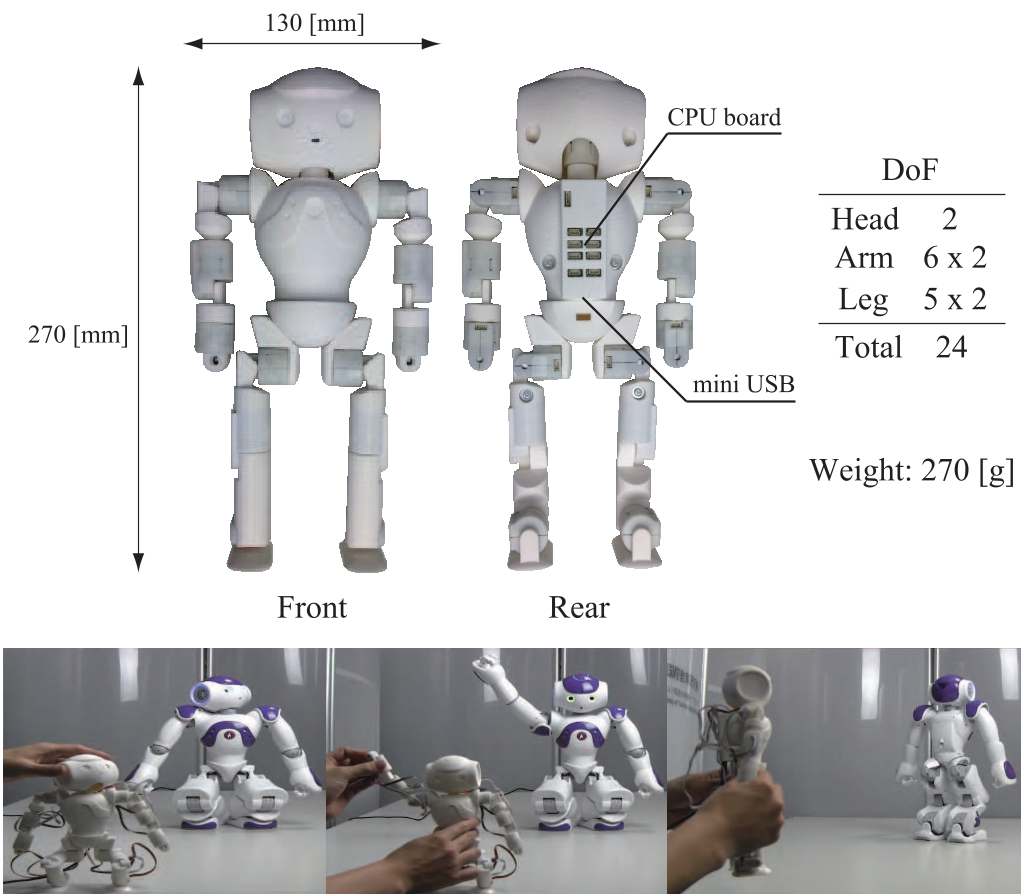 Fig 1: The ARAA concept enabling child-driven interaction.
2. Affective Monitoring (Wearable EMG)
To quantify the "smile," researchers developed a wearable device that measures Electromyography (EMG) signals from facial muscles.
- Why EMG? It is more reliable than video in dynamic play settings where a child might turn away from the camera.
- Accuracy: Using an Artificial Neural Network, the system distinguishes smiles from other facial movements with high precision.
Performance & Results
The study’s evaluation focused on usability and technical feasibility:
- Speed of Interaction: In comparison tests, the doll-type interface allowed users to set complex robot poses significantly faster than traditional software. As joint complexity (Degrees of Freedom) increased, the time-saving gap widened.
- Motion Fidelity: The HMM successfully recognized transitions between standing and walking with minimal delay, ensuring the robot felt "alive" and responsive to the therapist's intent.
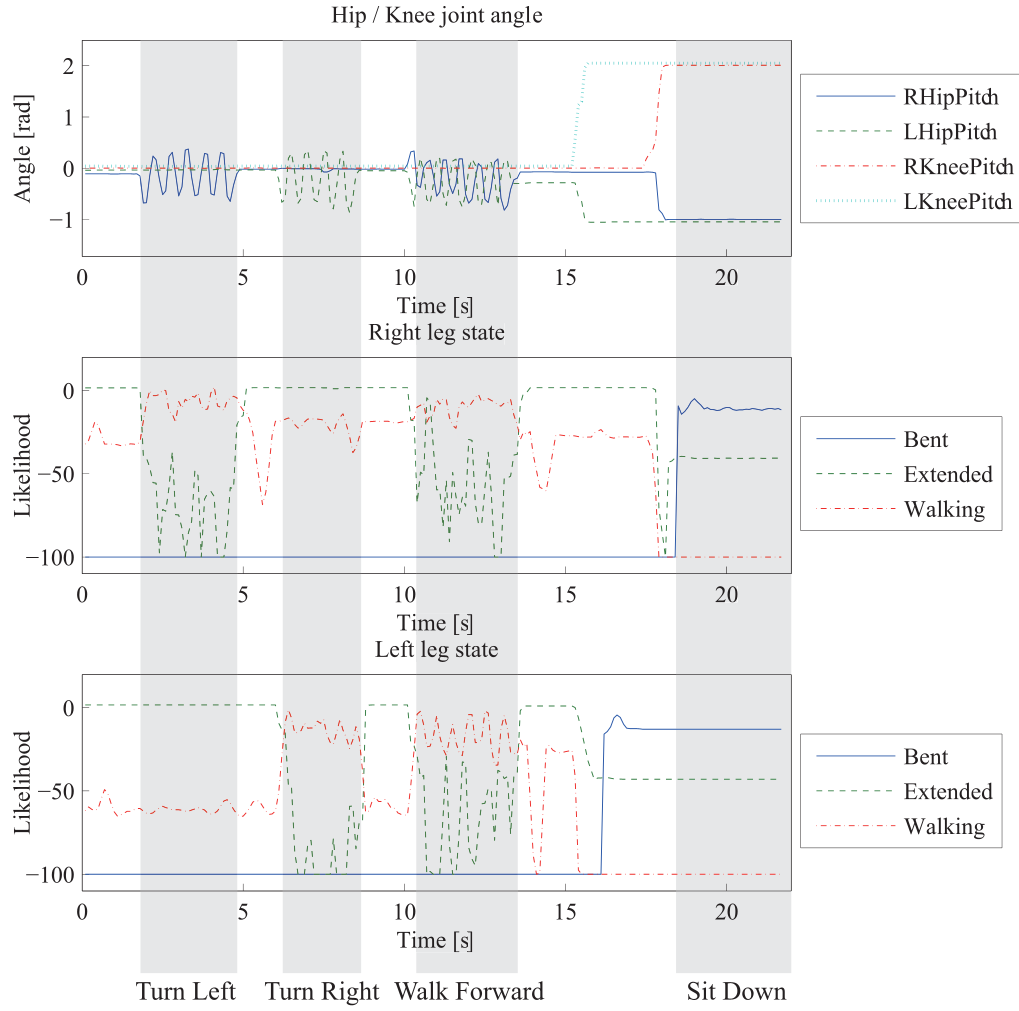 Fig 2: Comparison between Doll-type interface vs. GUI control speed.
Critical Analysis & Conclusion
Takeaway
The true value of ARAA lies in its Evidence-based Approach. By recording exactly how a therapist manipulates the robot in response to a child’s EMG-verified smile, we can finally begin to build a quantitative database of "what works" for specific profiles on the autism spectrum.
Limitations & Future Work
The current study primarily validates the tools. The next critical step is long-term clinical trials with children with ASD to see if these spontaneous "robotic smiles" translate into improved human-to-human social communication over time. Furthermore, the wearable device, while accepted by 70% of participants, still faces challenges with children who have extreme tactile oversensitivity.
Final Thought
By turning the robot into a high-tech "puppet" for the therapist, ARAA moves us closer to a future where technology doesn't replace the human touch in therapy but amplifies its reach and precision.