
Intelligent Greenhouse Monitoring: Fusing AI and DSP for Precision Agriculture
Design of Multi-parameter Monitoring System for Intelligent Agriculture Greenhouse Based on Artificial Intelligence
The paper presents an AI-driven multi-parameter monitoring system for intelligent greenhouses, integrating DSP and FPGA hardware for real-time data acquisition. By utilizing a greenhouse temperature information fusion model and IEEE488.2 bus standards, the system achieves a monitoring accuracy rate of nearly 100% while maintaining high stability against harmonic interference.
TL;DR
This research introduces a high-performance monitoring system for intelligent greenhouses that bridges the gap between raw sensor data and stable, automated control. By combining Digital Signal Processing (DSP), FPGA logic, and Fuzzy Adaptive Control, the system overcomes traditional limitations like signal interference and low accuracy, achieving a 100% monitoring accuracy rate.
Background & Motivation: Beyond Simple Sensing
Modern smart agriculture requires more than just reading a thermometer. To truly optimize crop yield, systems must monitor a suite of parameters—voltage, current, temperature, and humidity—simultaneously and in real-time.
The author points out a critical flaw in existing solutions (like basic LoRa or STM32-based systems): Environmental Noise. Disturbance harmonics and fluctuating power supply parameters often lead to high output errors. The motivation here was to build a robust "main control brain" capable of filtering this noise and fusing disparate data points into a coherent control strategy.
Methodology: The DSP-Embedded Architecture
The system's backbone is an embedded architecture designed under the IEEE488.2 standard. Unlike software-heavy solutions, this approach leverages hardware acceleration for data processing.
1. Hardware Integration
The design utilizes the ADSP21160 core processor and the ADSP-BF537 for bus management. This allows the system to handle complex mathematical operations—such as calculating magnetic induction intensity and power consumption factors—without the latency typically found in general-purpose microcontrollers.
2. Multi-Parameter Information Fusion
Instead of treating sensors as isolated silos, the system uses a Greenhouse Temperature Information Fusion Model. This model uses dynamic information fusion technology to extract coupling parameters (set to 1.23 in simulations), ensuring that the final output (e.g., adjusting a heater or fan) is based on a refined, "de-noised" view of the environment.
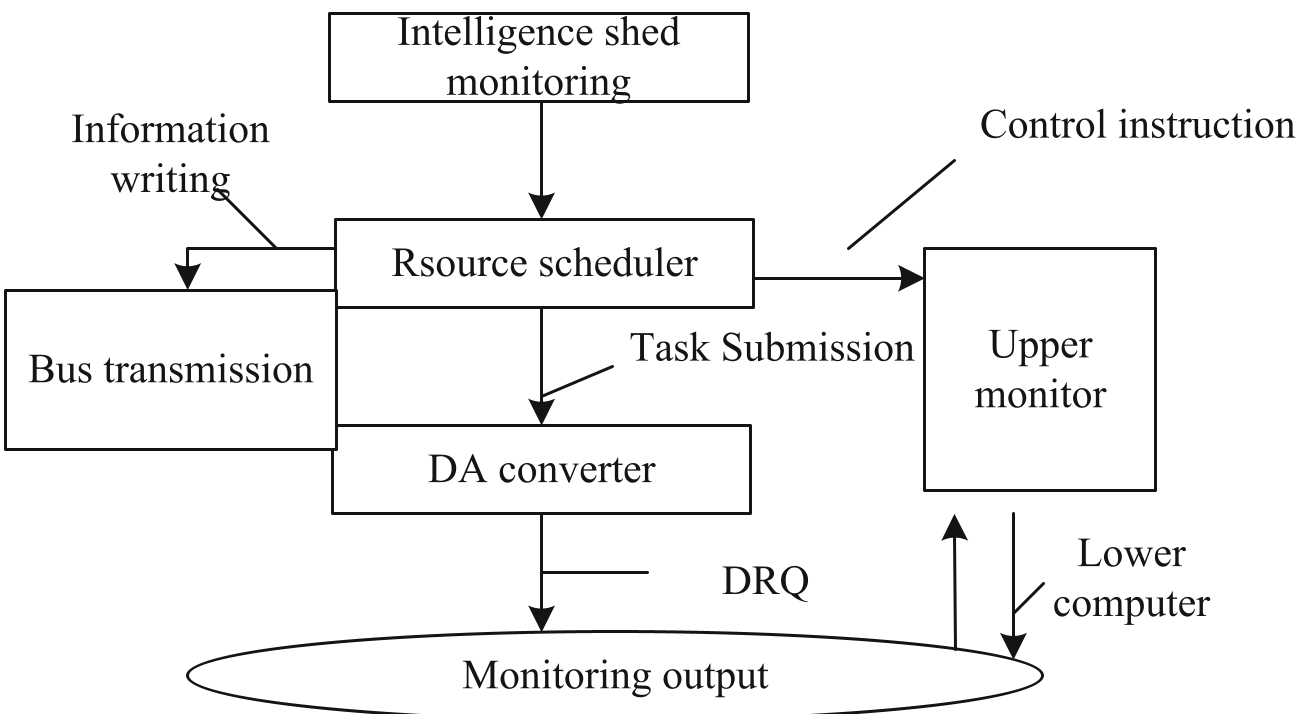 Fig 1. The overall structure of the multi-parameter monitoring system, showcasing the modular B/S architecture.
Experiments & Performance Analysis
The system was tested in a simulated greenhouse environment with specific harmonic interference components.
- Anti-interference: The system maintained stable voltage and current tracking even when current components were amplified by 2.5x with a 24 rad/s phase angle.
- Accuracy Leap: In a comparative study against standard LoRa-based monitoring (Ref [4]), the proposed AI-based method consistently showed lower error rates across 300 experimental cycles.
- The "100%" Milestone: As shown in the cumulative results, the accuracy rate scales effectively, reaching a plateau of near-perfect monitoring.
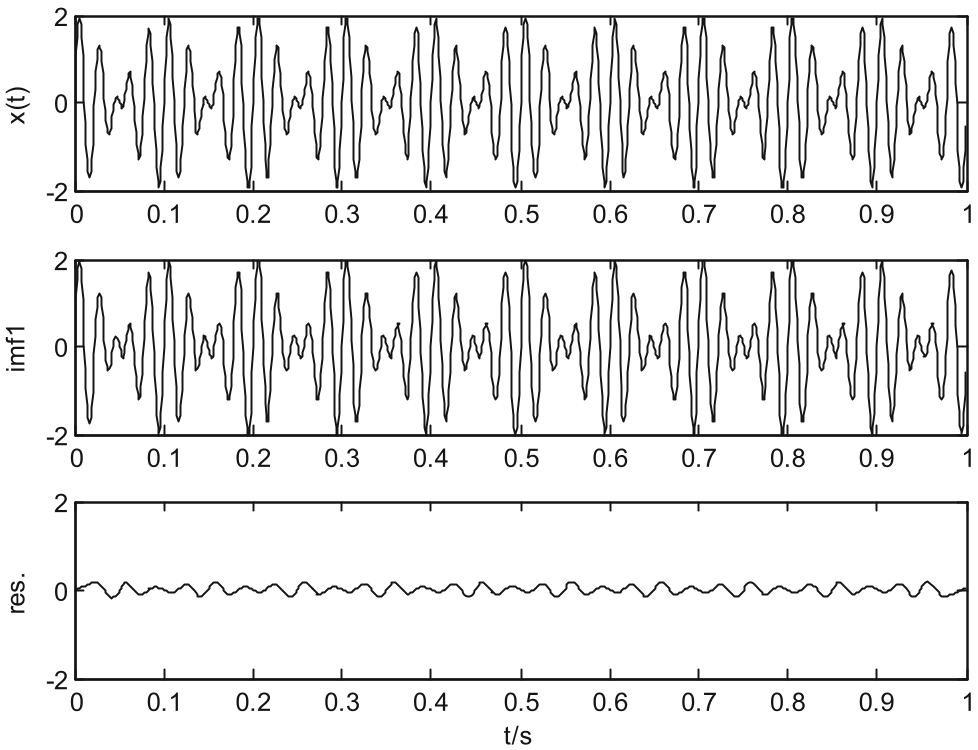 Fig 2. Real and imaginary part tracking of monitoring data, showing high stability against signal fluctuations.
| Experiment Count | Proposed Method Error | Traditional System Error |
|---|---|---|
| 100 | 0.113 | 0.154 |
| 300 | 0.012 | 0.116 |
Critical Insight: Why This Matters
The core "win" of this paper is not just the 100% accuracy—it is the reliability of the hardware-software co-design. By moving the "intelligence" closer to the sensors (at the DSP/FPGA level), the system minimizes the risks of network latency and data corruption.
However, looking forward, the complexity of a DSP/FPGA setup might be a barrier for small-scale farmers. The next step for this technology is likely Miniaturization—shrinking this high-compute capability into a single, low-cost SoC (System on Chip) that can be deployed at scale.
Conclusion
Wang Kun's design proves that AI-driven control, when paired with robust industrial bus standards and high-speed signal processing, can turn the "noisy" environment of a greenhouse into a precise, manageable data factory. It sets a high bar for the stability and accuracy required in the next generation of intelligent agriculture.