Ambidextrous Socio-Cultural Algorithms: Navigating the Exploration-Exploitation Dilemma through Human Logic
Ambidextrous Socio-Cultural Algorithms
This paper explores the efficacy of Human-based metaheuristics, specifically Ambidextrous Socio-Cultural Algorithms, for solving complex combinatorial optimization problems. It specifically contrasts Teaching-Learning-Based Optimization (TLBO) and Twitter Optimization (TO) in resolving the Set Covering Problem (SCP), evaluating their ability to balance exploration and exploitation.
TL;DR
Metaheuristics are the "smart" shortcuts of the optimization world. While we often look to ants or bees for inspiration, this paper shifts the focus to us—human societies. By evaluating Teaching-Learning-Based Optimization (TLBO) and Twitter Optimization (TO), the researchers demonstrate how socio-cultural behaviors can solve the notorious Set Covering Problem (SCP), balancing the "Ambidextrous" need to search broadly while refining local solutions.
The "Ambidexterity" Motivation
In optimization, we face a fundamental dilemma: Exploration vs. Exploitation.
- Exploration is divergent thinking—searching for entirely new regions.
- Exploitation is convergent thinking—drilling down into a known good spot.
The authors argue that human societies are naturally "ambidextrous." We learn from leaders (teachers/celebrities) and we learn from peers. This paper investigates whether these social structures can outperform or complement traditional nature-inspired algorithms in a computational setting.
Methodology: Teaching vs. Tweeting
1. Teaching-Learning-Based Optimization (TLBO)
TLBO operates on the logic of a classroom. It eliminates the need for algorithm-specific parameters (like mutation rates), making it robust.
- Teacher Phase: The best solution (Teacher) attempts to move the average knowledge of the class toward their level.
- Learner Phase: Students interact randomly. If a peer has more knowledge, the student learns from them.
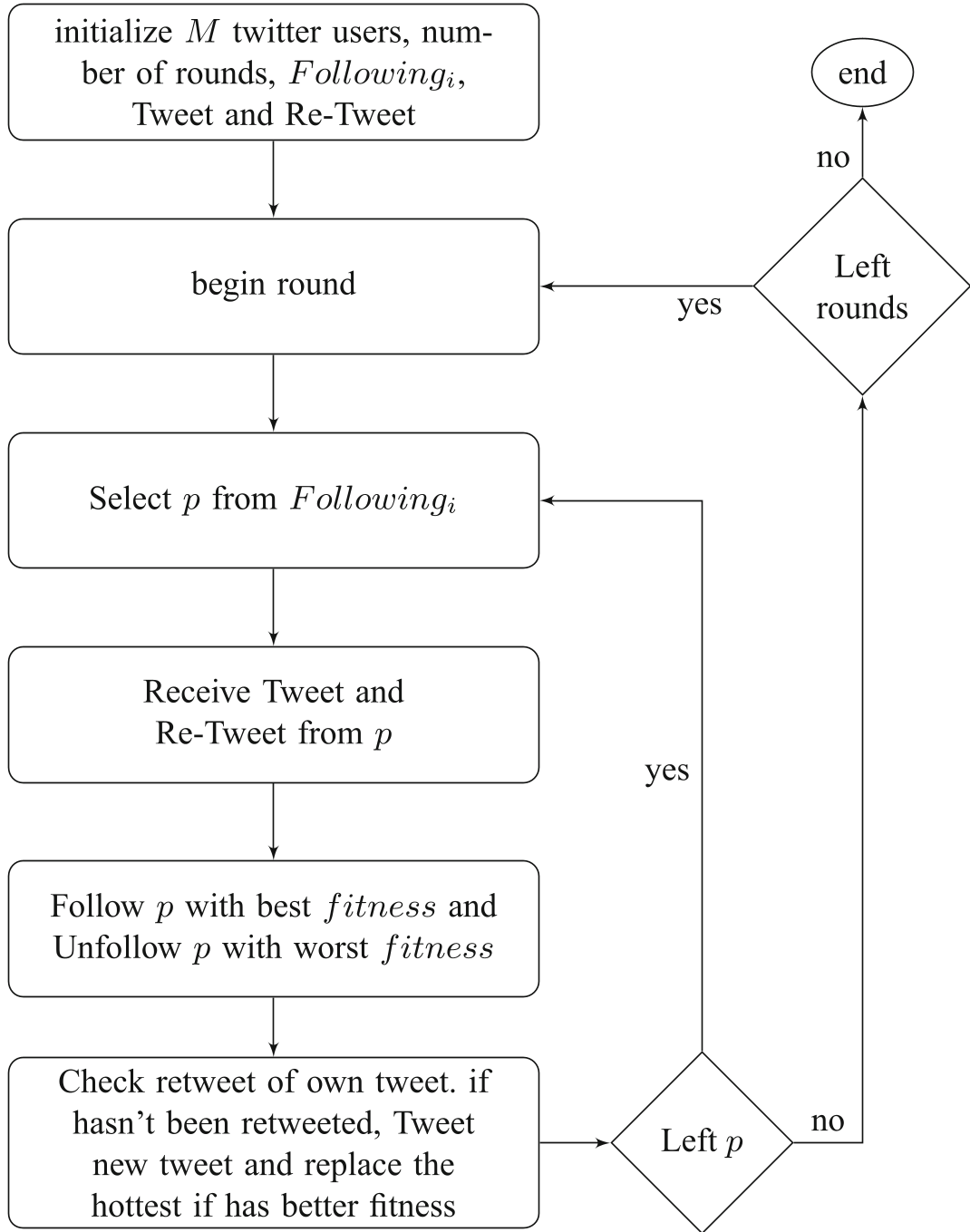 Note: The image above illustrates the general flow of socio-inspired intelligence.
2. Twitter Optimization (TO)
TO mimics the digital era. Solutions are "Tweets."
- Retweeting: Moves a user toward a better solution.
- Celebrity Operator: The top 1% of solutions act as "Celebrities" that others follow, while they themselves perform a narrow "local search" to stay on top.
Experimental Battleground: The Set Covering Problem
The authors put these algorithms to the test using the Set Covering Problem (SCP)—a classic NP-hard challenge where the goal is to cover all requirements at the minimum cost.
Performance Analysis
The results from Beasley’s OR-Library show a fascinating hierarchy.
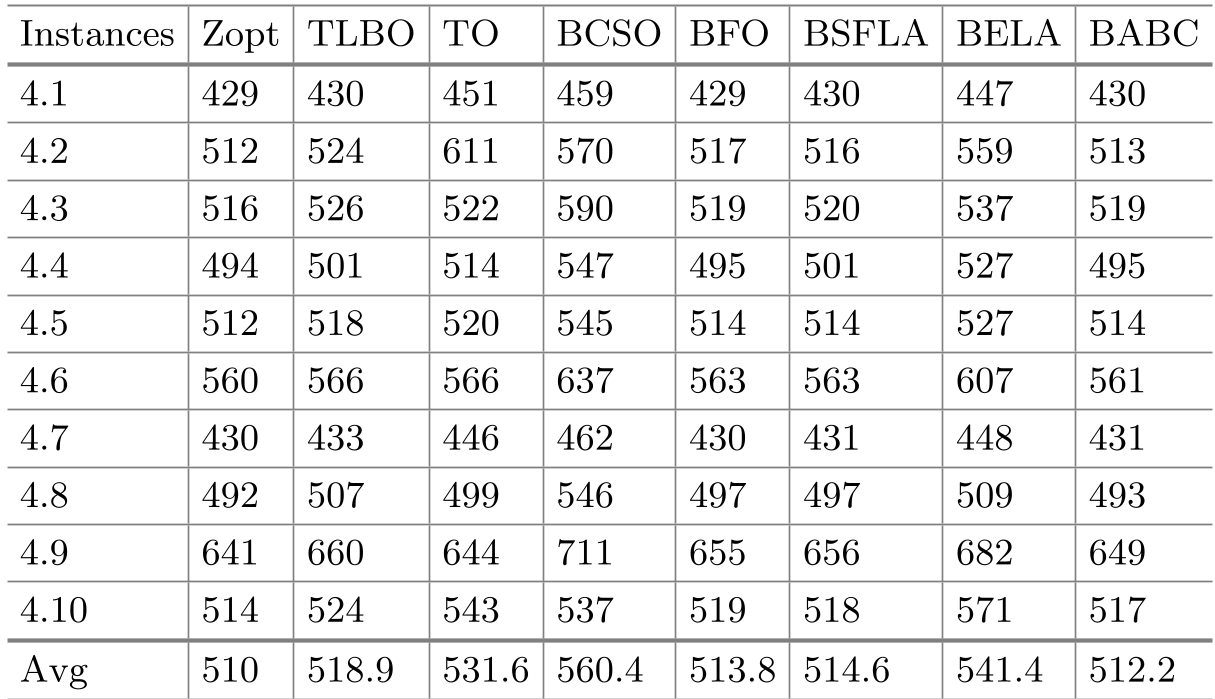
- TLBO consistently beat Twitter Optimization in almost every instance. For example, in Instance 4.1, TLBO hit a score of 430 (near the optimal 429), while TO lagged at 451.
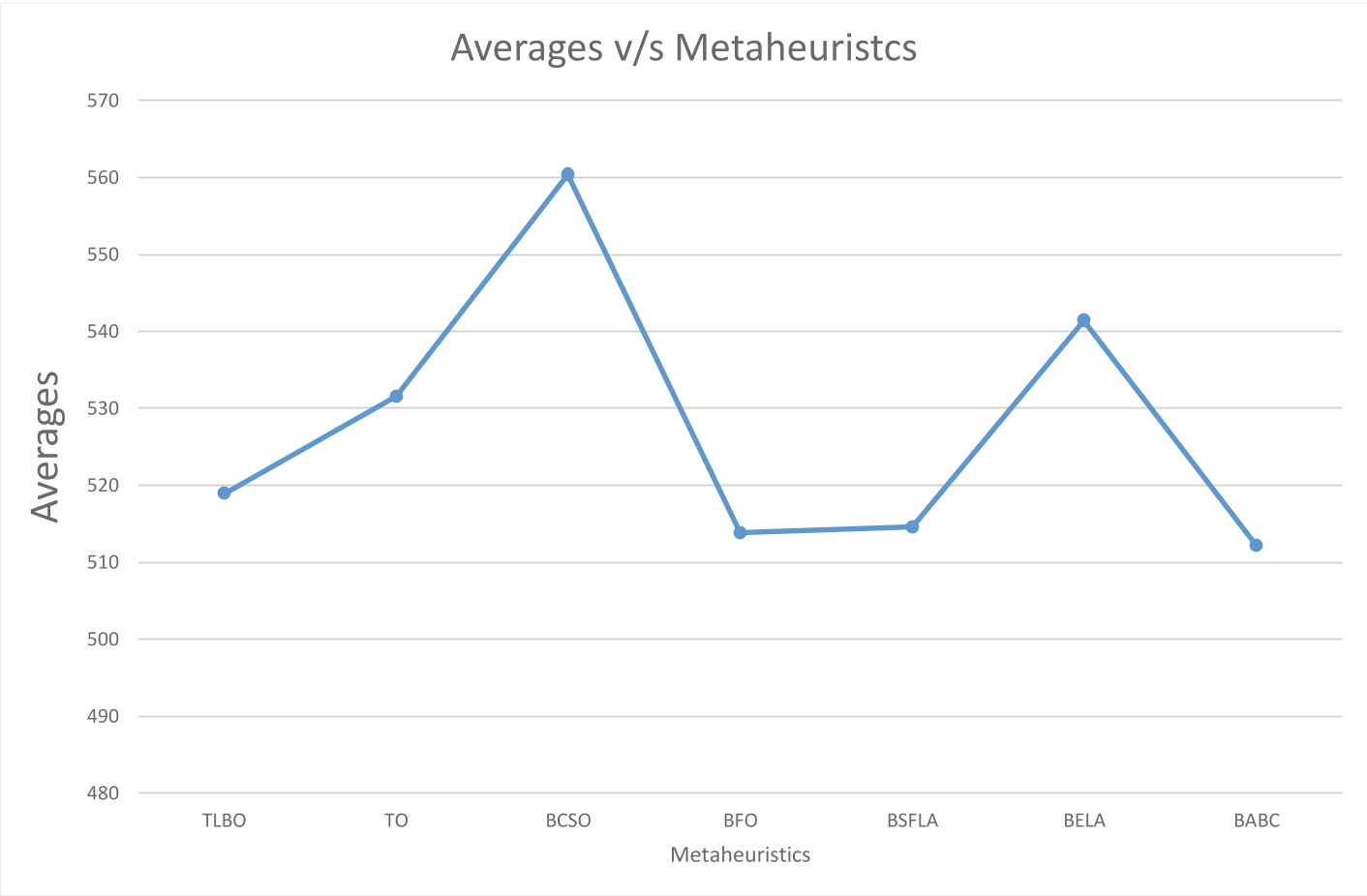
- Compared to other established metaheuristics like Binary Firefly (BFO), TLBO held its own, though it occasionally succumbed to the high-efficiency of Binary Artificial Bee Colony (BABC).
Critical Insight: Why TLBO Wins
The "Teacher" mechanism in TLBO acts as a global pull toward the optima, while the "Peer Learning" provides a sophisticated local search mechanism. TO's "Twitter" logic, while creative, can sometimes be too "anarchic" (random), leading to slower convergence on global optima in rigid combinatorial structures like the SCP.
Conclusion & Future Horizon
The paper confirms that socio-cultural algorithms are more than just metaphors; they are competitive mathematical tools. The standout takeaway is the Ambidexterity of TLBO—its ability to switch between global guidance and peer-to-peer refinement.
Future Work: The authors suggest the next leap will involve Hybridization—combining the social logic of TLBO with Machine Learning to autonomously tune the "teaching" factors, potentially creating a self-evolving optimizer.
Check out the full comparison of metaheuristic averages below: