
Facebook in the Arab World: A Digital Catalyst for Cultural Negotiation
The impact of Arab cultural values on online social networking: The case of Facebook
2012-08-04
Summary
Problem
Method
Results
Takeaways
Abstract
This research investigates the impact of Arab cultural values on motivations and attitudes toward Facebook usage using Structural Equation Modeling (SEM). Based on a survey of 663 Arab users, the study validates a comprehensive model linking Hofstede’s cultural dimensions to SNS engagement and membership continuity.
## TL;DR
This study explores how Arab cultural values shape the way people engage with Facebook. It reveals a fascinating tension: while Arab youth use SNSs to escape traditional social and political restrictions (seeking "virtual democracy"), their underlying attitudes toward trust and credibility remain strictly governed by conservative national values.
## Paradox of the Virtual Oasis
In many Arab societies, traditional norms, religious restrictions, and political environments can limit freedom of expression and social interaction. SNSs like Facebook emerged as a "middle landscape"—a digital oasis where users could satisfy human needs for autonomy and relatedness. However, the academic question remained: Does the technology change the culture, or does the culture dictate the technology's use? This paper argues it is a complex negotiation of both.
## Conceptual Framework: Culture Meets Connectivity
The researchers leveraged **Hofstede’s Cultural Dimensions** as the theoretical bedrock, mapping them against user motivations and attitudes.
### Key Motivations Identified:
1. **Self-presentation**: Managing how others perceive the "self."
2. **Social Interaction**: Reconstructing offline social networks digitally.
3. **Freedom of Speech**: Breaking social boundaries to discuss sensitive topics.
4. **Curiosity**: The innate human need to monitor surroundings.
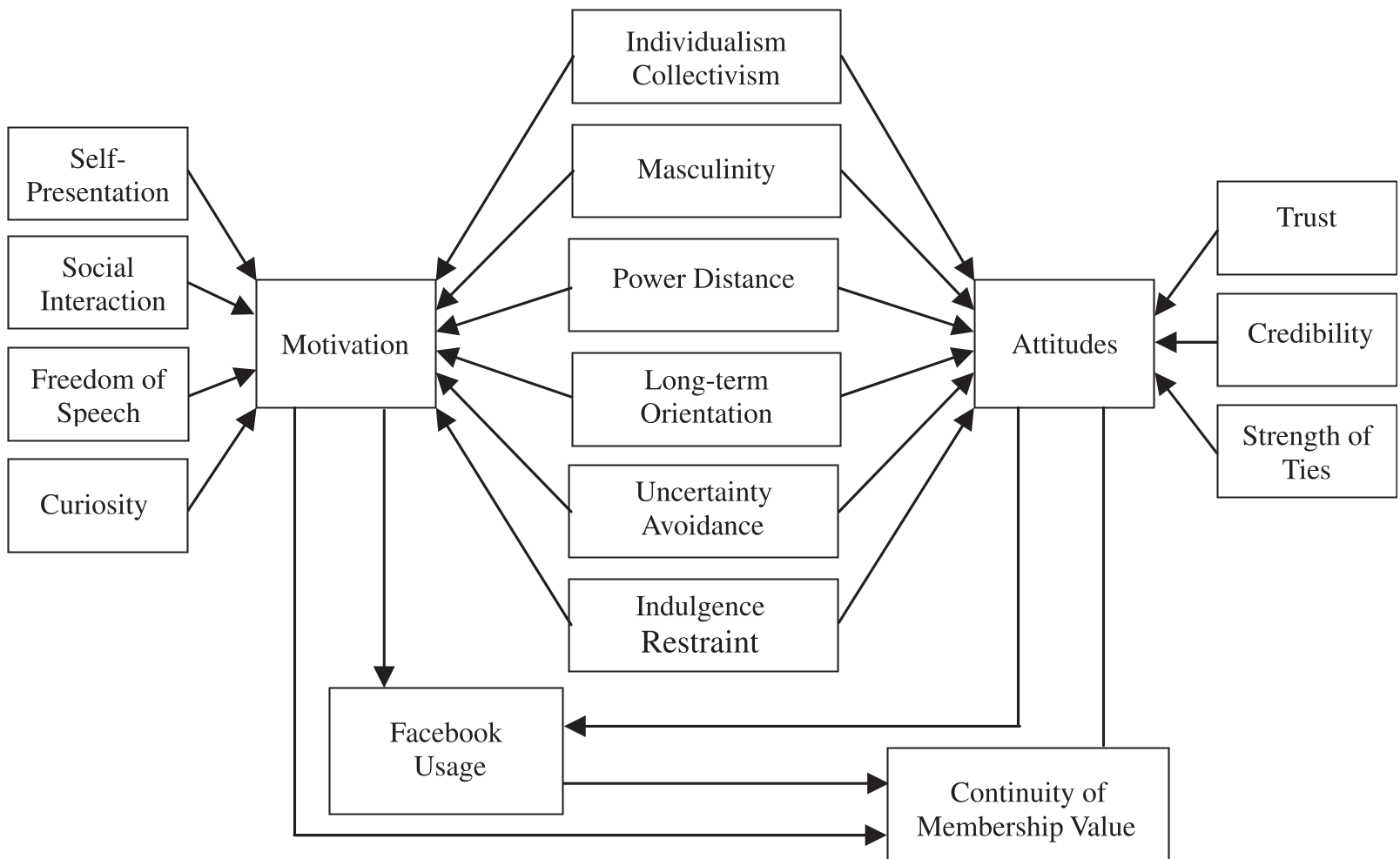
*Fig 1: The proposed structural model linking cultural values to SNS outcomes.*
## Methodology and Deep Insights
The authors collected data from 663 usable responses across various Arab nations, including Jordan, Egypt, and Saudi Arabia. Using **Structural Equation Modeling (SEM)**, they tested whether dimensions like *Power Distance* or *Uncertainty Avoidance* truly hindered Facebook engagement.
### Surprising Findings:
- **The Cultural Neutralizer**: Surprisingly, dimensions like *Power Distance* and *Uncertainty Avoidance* did **not** significantly impact the *motivation* to join Facebook. This suggests that the drive for freedom and social connection is powerful enough to temporarily override traditional cultural barriers.
- **Persistent Attitudes**: While motivations for joining were liberated, the *attitudes* (Trust and Credibility) remained heavily influenced by culture. Arab users are still cautious; they worry about identity theft and privacy leaks, reflecting their high "Uncertainty Avoidance" in practice.
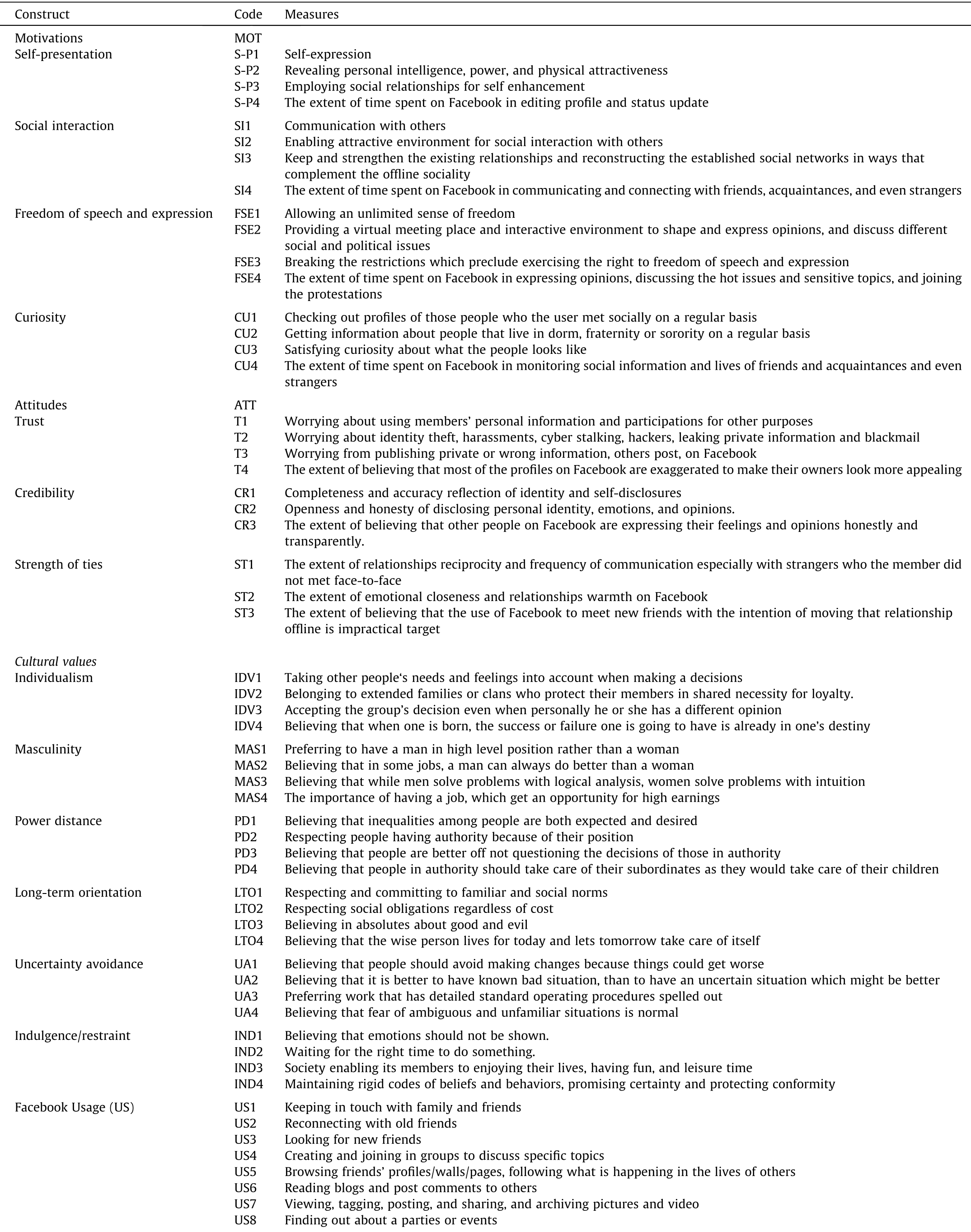
*Table 1: Definition of constructs used to measure motivations and cultural values.*
## Quantitative Proof of Impact
The SEM results provided standardized path coefficients that explain the "Why" behind the usage:
- **Motivations → Usage (0.587)**: The primary driver for active Facebook use in the Arab world is the fulfillment of intrinsic needs that are restricted offline.
- **Cultural Values → Attitudes**: *Long-Term Orientation* (0.476) and *Uncertainty Avoidance* (0.468) are the strongest cultural predictors of how much a user trusts the platform.
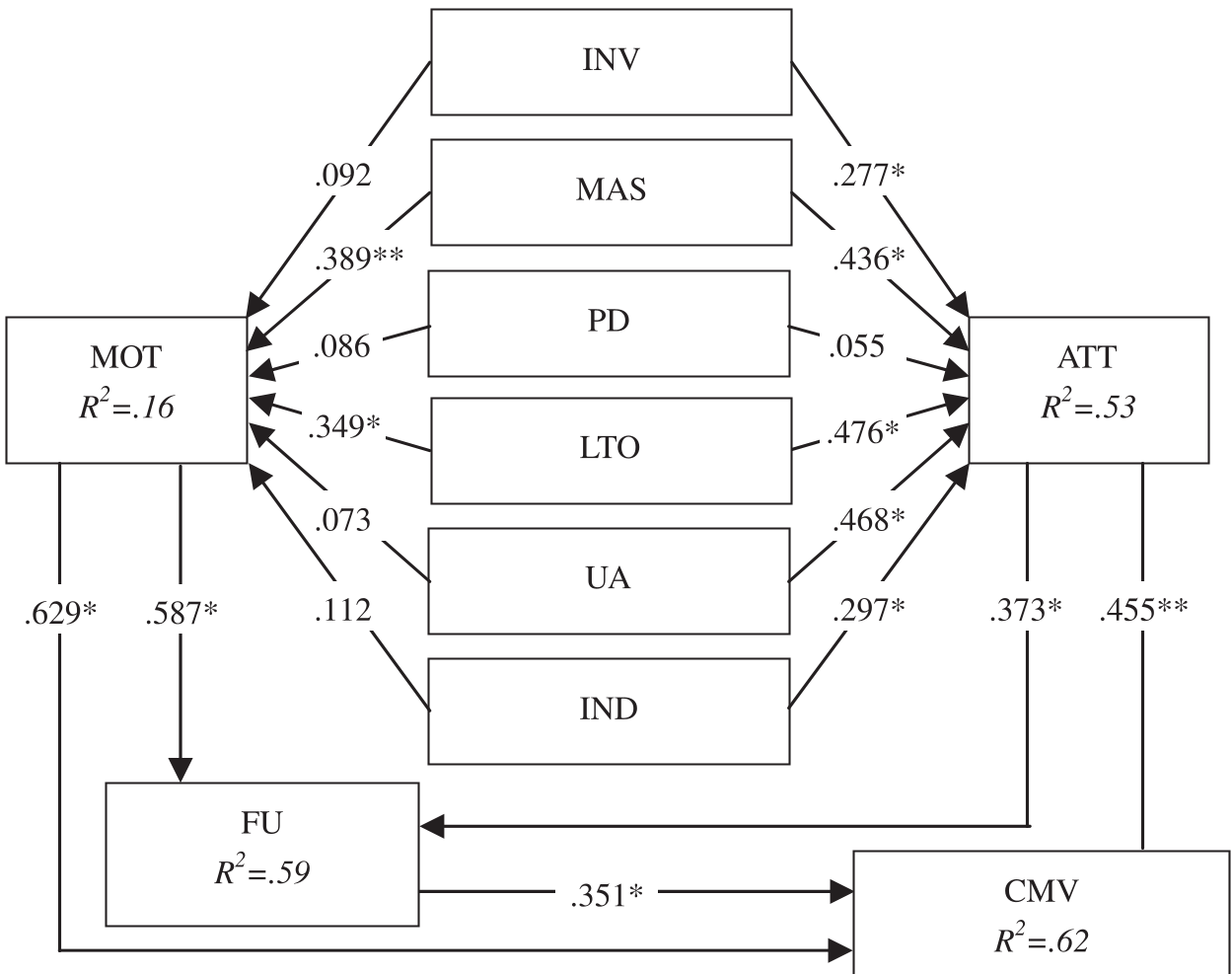
*Fig 2: The result of path coefficient analysis showcasing significant relationships.*
## Critical Analysis & Conclusion
This research highlights that SNS platforms act as "liberation technologies" in the Arab world, not necessarily by erasing cultural values, but by providing a space where those values can be navigated differently.
**Takeaway for Tech Strategists**: When deploying social platforms in culturally conservative regions, "neutral" features are not enough. Success depends on understanding the tension between a user's *aspiration for freedom* and their *habitual need for group-based security*.
**Limitations**: The study primarily focuses on Facebook and was conducted in the wake of the 2011/2012 era. Future research must look at how newer video-centric platforms like TikTok interact with these same cultural pillars.