
The AIR Framework: Bridging the Grand Canyon Between AI Ethics and Regulation
Artificial Intelligence Regulation: a framework for governance
This paper introduces the AIR (Artificial Intelligence Regulation) framework, a comprehensive governance model designed to unify 21 existing disparate AI policy depictions. It serves as a systematic roadmap for modern public policy-making, integrating multi-stakeholder participation with gold-standard societal values like fairness and sustainability.
TL;DR
As AI scales from research labs to daily infrastructure, the "regulation gap" is widening. This paper presents the AIR (Artificial Intelligence Regulation) framework, an integrative meta-model that synthesizes 21 prior governance theories into a single, actionable roadmap. It bridges the gap between high-level ethical platitudes and the ground-level reality of software development, offering a bi-directional "T2R/R2T" mechanism to keep laws as agile as the code they govern.
The Problem: Innovation at Warp Speed, Regulation at a Snail’s Pace
Why is AI regulation so difficult? The authors identify three core friction points:
- The Definitional Trap: The lack of an accurate, stable definition of AI makes it hard for the legislative branch to draft precise laws.
- The Reactive Nature of Law: Legislation is traditionally "ex-post" (reactive), while AI risks—like algorithmic bias or loss of human control—require "ex-ante" (preventative) measures.
- The Multidisciplinary Silo: Ethics researchers speak values, engineers speak code, and lawyers speak statutes. There is rarely a shared "conceptual lens" to unify them.
Methodology: Constructing the "Framework of Frameworks"
The authors performed a systematic review of AI regulation literature (2010–2020), distilling 21 unique models into a unified architecture. This isn't just a list of rules; it’s a dynamic loop system.
The Core Mechanism: R2T and T2R
The genius of the AIR framework lies in its two primary internal flows:
- Regulatory-To-Technology (R2T): Guiding the creation of new AI models based on existing laws and identifying legal constraints during the design phase.
- Technology-To-Regulatory (T2R): Adjusting laws based on the actual evolution of technology. This allows the legislative branch to learn from the regulatory agency’s technical findings.
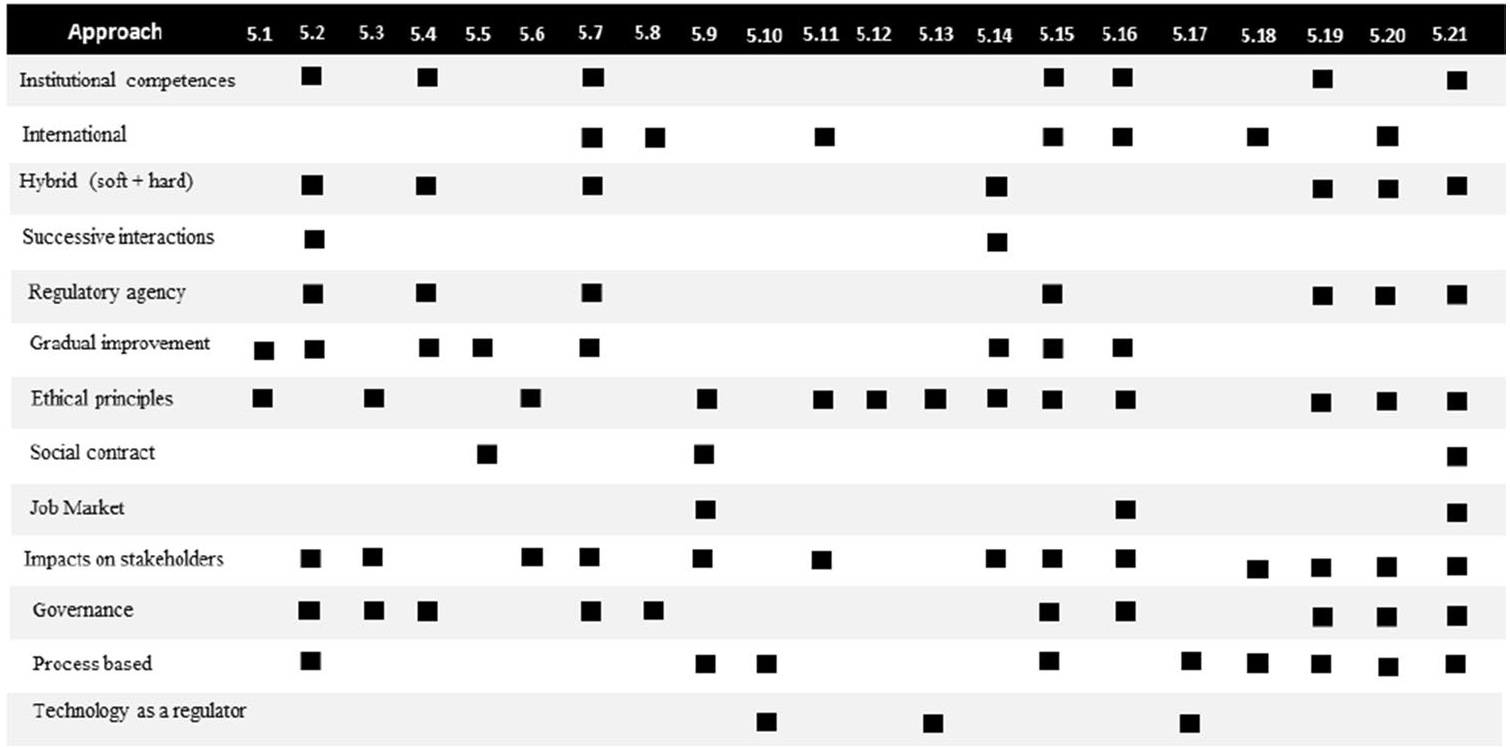 Figure 1: The AIR Framework distribution of powers and stakeholder interactions.
The Auditing "Five Dimensions"
The framework isn't just theoretical; it mandates an auditing process across five critical technical pillars:
- Stakeholder Impact: Assessing impacts via ethical principles.
- Data Governance: Ensuring data quality and privacy.
- Development Process Models: Validating the software lifecycle.
- Bias Identification: Active testing for machine learning discrimination.
- Risk Mitigation: Preparing for "the red button" scenarios.
From Human-in-the-Loop to Society-in-the-Loop
A significant highlight of the paper is the transition from individual oversight to Society-in-the-Loop (SITL). Instead of one human monitor, the framework suggests using citizen channels and e-participation to evaluate if AI systems reflect the evolving values of the collective society.
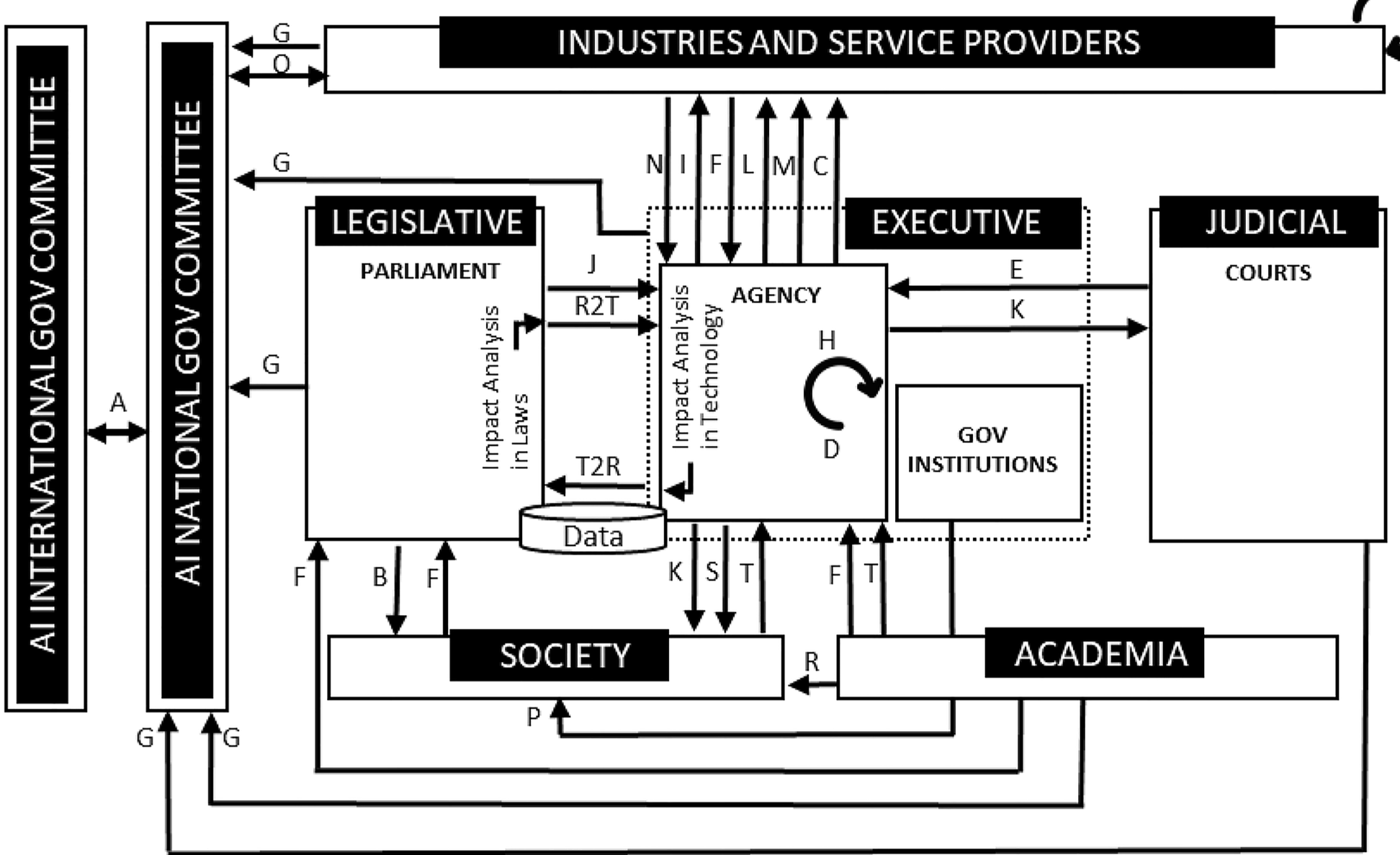 Figure 2: The internal mechanisms of the Regulatory Agency, linking standardisation to law enforcement.
Critical Analysis: Is it Actionable?
The AIR framework is high-level but surprisingly rigorous. By proposing a Certification Model, it offers a shortcut to trust:
- For Businesses: Certification provides "Safe Harbor." If a system is certified and causes harm, the courts might treat the company with more leniency than an uncertified peer.
- For Consumers: A digital signature in the code can prove that a version of an algorithm has passed regulatory safety checks.
Limitations: The paper acknowledges that the global nature of AI requires international committees. Without a "Global Governance Coordinating Committee," small nations remain vulnerable to the "regulatory exports" of tech giants.
Conclusion: A Reference Model for Sustainable AI
The AIR framework proves that AI regulation shouldn't be about stifling innovation—it's about synchronization. By aligning the executive, legislative, and judicial branches with scholars and industry leaders, we can move from "ethics washing" to a robust, verifiable system of governance.
Future Outlook: As we enter the era of AGI (Artificial General Intelligence), the AIR framework’s focus on "Continuous Learning" from technology to law will be the only way to avoid a total regulatory collapse.