
Beyond the Ramp: How eWOM Credibility Shapes Hotel Decisions for Disabled Guests
Assessing hotel decision-making of disabled guests: satisfaction correlation study between online comments’ credibility and perceived risk
This study investigates the hotel decision-making process of disabled guests by analyzing 267,453 words of e-comments from Ctrip using data mining and sentiment analysis. It introduces a structural model to examine how Electronic Word-of-Mouth (eWOM) source credibility—specifically expertness, trustworthiness, and objectivity—affects the perceived risk and behavioral intentions of this specific consumer segment.
TL;DR
Word-of-mouth isn't just "talk" for travelers with disabilities—it's a critical safety net. This study analyzes over 260,000 words of online reviews to prove that while physical barriers like "barrier-free rooms" are the top concern, the expertness and objectivity of online reviews are the primary tools disabled guests use to mitigate the high risks associated with travel.
The Perception Gap: Why Standard Reviews Aren't Enough
For a typical traveler, a bad hotel "vibe" is a nuisance; for a disabled guest, an inaccessible bathroom or a missing elevator is a logistical catastrophe. This creates a high Perceived Risk environment. The authors argue that disabled guests have shifted from traditional travel agents to Electronic Word-of-Mouth (eWOM) because it provides "lived experience" without requiring physical movement. However, the industry has long struggled to understand which specific attributes of a review actually make a disabled guest feel safe enough to book.
Methodology: Mining the Nuances of Accessibility
The researchers scraped 10,937 comments from Ctrip, focusing on 97 hotels across China's major hubs (Beijing, Shanghai, Hangzhou, and Guangzhou). Using ROSTcm software, they performed a co-occurrence network analysis to see which words "cluster" together in the minds of disabled consumers.
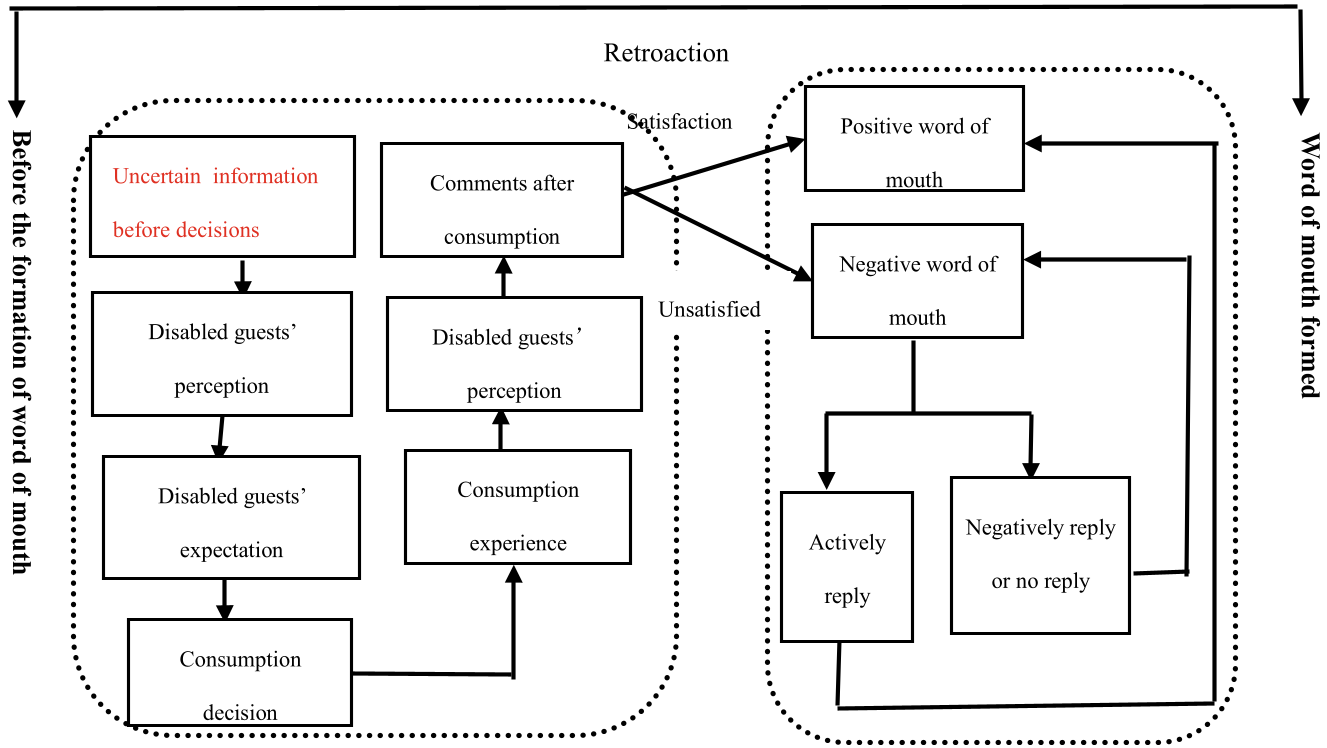 Figure 1: The conceptual framework linking guest perception, eWOM, and decision-making.
Key Insights from the Data
1. The Hierarchy of Concerns
Through frequency analysis, the study identified that "Barrier-free guestrooms" (23.01%) and "Service attitude" (18.24%) are the two pillars of satisfaction. Price ranked surprisingly low (4.58%), suggesting that for this demographic, functional reliability far outweighs cost-saving.
2. The Credibility Paradox
The study tested four dimensions of source credibility:
- Expertness: Does the reviewer sound like they know accessibility standards? (Strong Correlation)
- Trustworthiness: Is the information authentic? (Strong Correlation)
- Objectivity: Is the review balanced? (Strong Correlation)
- Homophily: Is the reviewer "like me"? (Rejected)
Surprisingly, Homophily—the idea that we trust people similar to us—did not significantly reduce perceived risk. Disabled guests seem to value "professional" or "objective" detail over mere similarity.
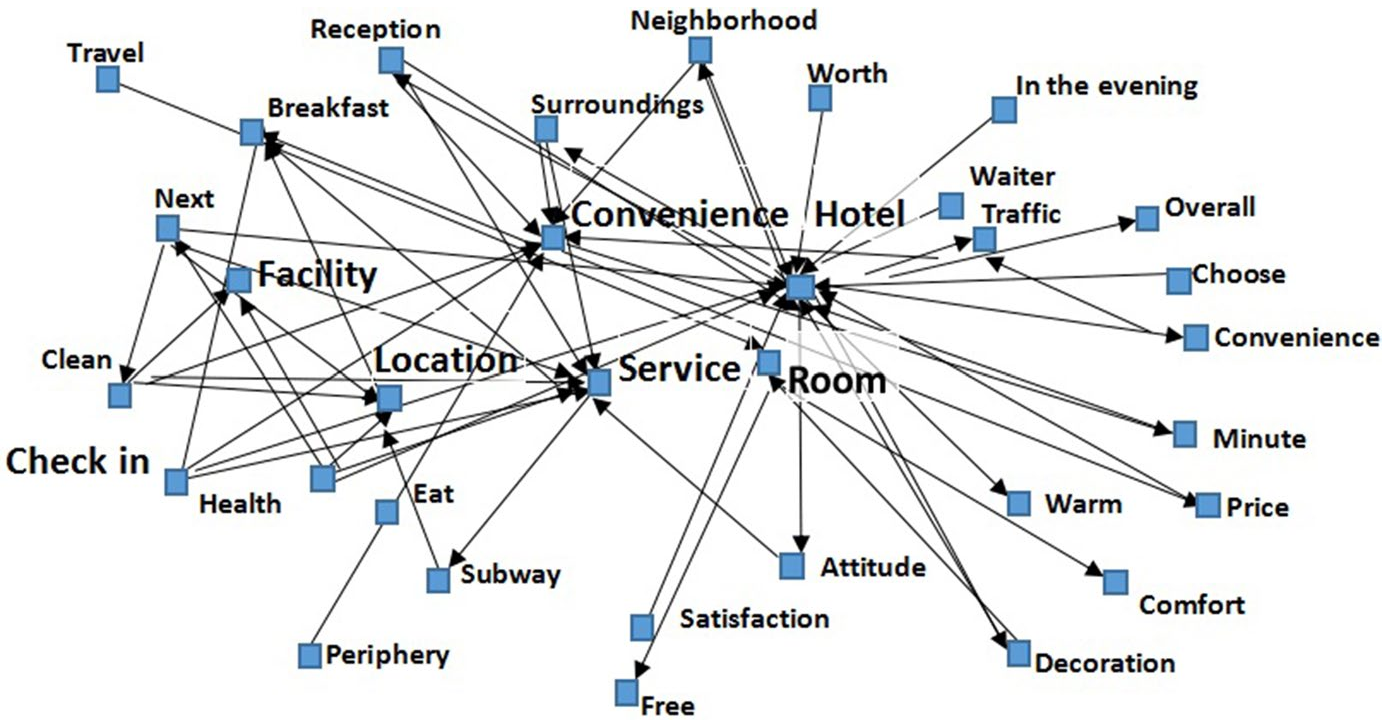 Figure 2: Semantic network showing the central role of "Room" and "Service" in guest discourse.
Results & Hypothesis Testing
The regression analysis (Table 5) provided a striking revelation: while reducing perceived risk successfully builds Trust, that trust does not automatically translate into a Purchase Intention (H6 Rejected).
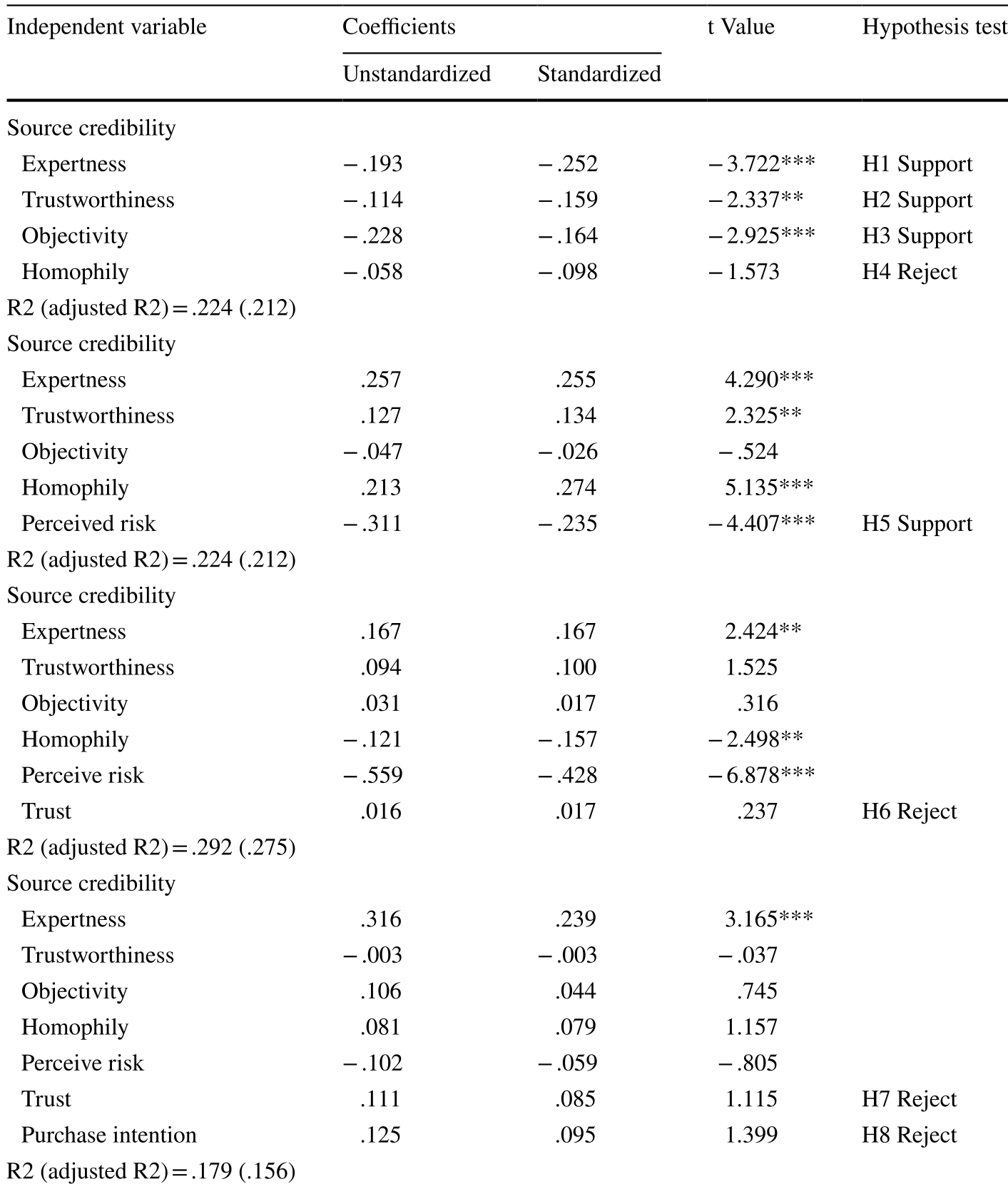 Table 5: Multiple regression results showing the negative correlation between perceived risk and trust.
Why the disconnect? Data suggests that even if a guest trusts a review is accurate, they might not book because the accurately described service level still doesn't meet their specific medical or physical needs. Trust in the review is a prerequisite, but the hotel's actual hardware remains the final filter.
Critical Analysis & Industry Takeaways
The study highlights a significant "Neutral" sentiment (25.86%) in the disabled guest market, representing a massive opportunity for improvement.
- For Hoteliers: Professionalize your responses. Guests value Expertness and Objectivity. Instead of generic "We are sorry" replies, provide technical details about bed heights, door widths, and specialized staff training.
- For Platforms: Enhance the "Expertness" profile of reviewers. Tagging reviews from "Frequent Wheelchair Travelers" or "Certified Accessibility Reviewers" will do more to reduce risk than general star ratings.
Conclusion
This research confirms that eWOM is a vital risk-reduction strategy for disabled guests. While hardware (rooms) is what they look for, credibility (expert and objective reviews) is what allows them to trust the information. However, the industry must bridge the "trust-intent" gap by ensuring that even when reviews are trusted, the facilities described actually meet the high bar required for inclusive travel.