
Bridging the Distance: An AR Approach to Remote Measurement Laboratories
An Augmented Reality Approach to Remote Controlling Measurement Instruments for Educational Purposes During Pandemic Restrictions
This paper introduces a general framework for an Augmented Reality (AR) based remote laboratory system for educational engineering measurement. It integrates 3D reverse engineering, IoT communication (MQTT), and Unity-based AR rendering to allow students to control physical instruments via digital twins on mobile devices.
TL;DR
This research presents a framework that transforms remote learning from static web-forms into an immersive experience. By combining 3D scanning, MQTT messaging, and Augmented Reality, the authors allow students to interact with faithful digital twins of lab instruments. These AR models are not just simulations; they control physical hardware in a lab miles away, providing the "tactile" feedback necessary for engineering mastery.
Background: Beyond the Screencast
Laboratory skills are the bedrock of engineering, yet they were the first casualty of pandemic-era lockdowns. While theoretical lectures moved easily to Zoom, metrology—the science of measurement—requires students to develop an "instrument sense." Existing remote labs often use a "thin-client" approach: you click a button on a web page, and a number appears. This paper argues that this loses the physical mapping of the instrument. To fix this, the authors built a bridge using the fourth industrial revolution (Industry 4.0) technologies.
Methodology: From Point Clouds to Physical Control
The workflow of this framework is a masterpiece of technical integration:
1. High-Fidelity Digital Twins
Using a FARO Laser ScanArm, the researchers captured the geometry of instruments like the Agilent 34401A Multimeter down to the millimeter. This wasn't just for aesthetics. By scanning buttons and panels separately, they created an interactive CAD model where buttons actually "depress" when tapped on a smartphone screen.
2. The AR Logic Layer (FSM)
To make these models smart, the team developed a Finite State Machine (FSM). When a student presses a sequence of buttons in AR, the FSM determines if the sequence is valid and translates it into standard SCPI (Standard Commands for Programmable Instruments) strings.
3. IoT Communication (MQTT)
The system uses MQTT, a lightweight messaging protocol. This allows for near real-time interaction (even on mobile data) between the student's app and a LabVIEW server in the physical lab. The server acts as a translator, taking MQTT messages and sending them over the legacy IEEE-488 bus to the actual instruments.
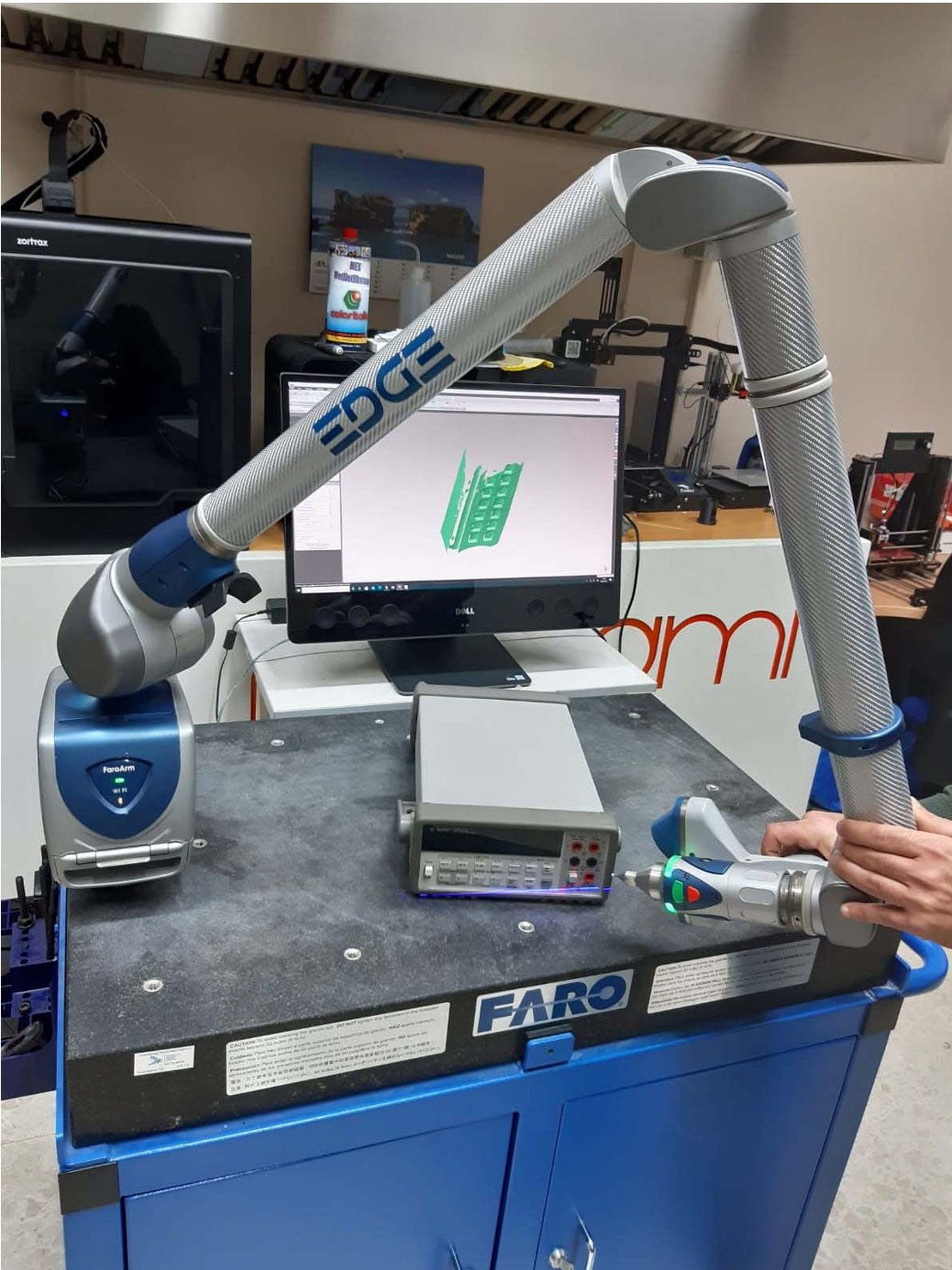 Figure 1: The rendering process—from the 3D digital replica to the AR effect on a mobile device.
Experiments and Real-World Results
The researchers tested the system with a cohort of 53 engineering students. The task was complex: configuring a waveform generator (AWG) and a digital multimeter (DMM) to measure RMS voltage.
- Realism: Students reported that the 3D models were so realistic that the experience felt like being in the room with the hardware.
- Synchronous Learning: Because the MQTT broker can handle multiple subscribers, a professor can control an instrument while an entire class watches the "live" measurement update on their individual AR screens.
- Legacy Support: One of the most significant achievements was "IoTtifying" 20-year-old equipment. This proves that high-tech education doesn't require scrapping existing, expensive hardware.
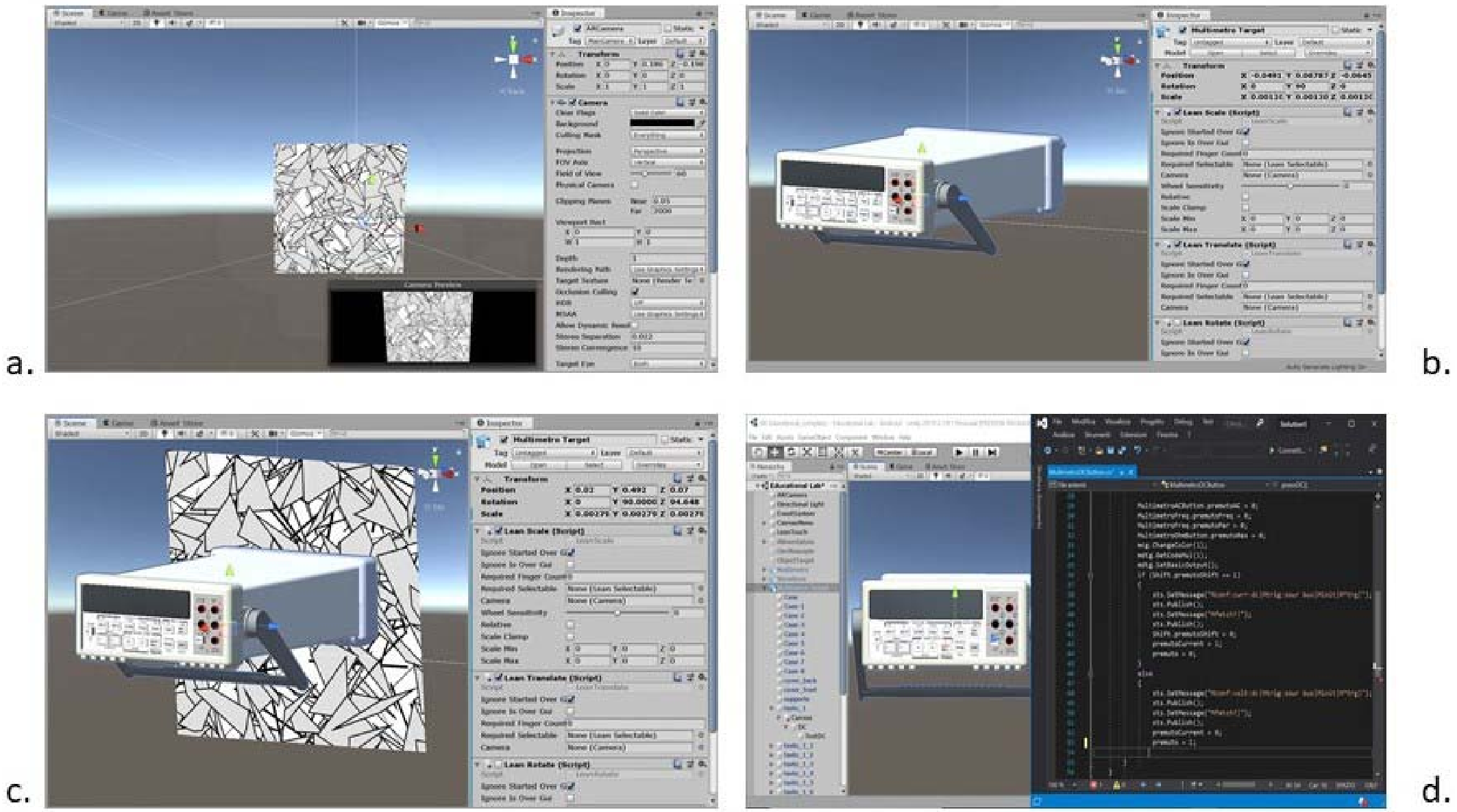 Figure 2: The global architecture showing the interaction between the MQTT broker, the Lab server, and multiple student clients.
Critical Insights: Why This Matters
The true value of this paper lies in its Scalability. Traditional labs are limited by physical space and the number of instrument "seats." This framework allows a university to host a few high-quality measurement stations and serve hundreds of students 24/7.
However, there are limitations. The current model relies on markers (paper targets). While stable, it requires the student to have physical printouts. Furthermore, while the visual feedback is 100% realistic, the "tactile" feedback (the click of a physical button) is missing—a gap the authors suggest bridging with haptic interfaces in the future.
Summary & Future Outlook
This AR-Remote Lab framework is a vital step toward a "Hybrid" education model. It demonstrates that the sense of presence is not about high-bandwidth video, but about consistent spatial interaction. By letting students "hold" the instrument in their hands via their tablets, they learn the interface of professional tools, preparing them for the physical world long before the classroom doors reopen.