
AutiLife: Bridging the Communication Gap in Autism Care via 5G and Machine Learning
AutiLife: A Healthcare Monitoring System for Autism Center in 5G Cellular Network using Machine Learning Approach
AutiLife is a healthcare monitoring system designed for autism centers, leveraging 5G connectivity and Support Vector Machine (SVM) classification. It integrates IoT/IoMT sensors to monitor vital signs in real-time and provide ultra-reliable low-latency alerts for medical emergencies.
TL;DR
AutiLife is an intelligent healthcare monitoring system tailored for autism centers. By combining the high-speed, low-latency capabilities of 5G networks with Support Vector Machine (SVM) classification, it monitors non-verbal children for medical emergencies (e.g., epilepsy, heart failure) and alerts medical staff in real-time.
The "Invisible" Crisis in Autism Centers
Children with Autism Spectrum Disorder (ASD) often face significant challenges in social interaction and communication. In a medical emergency—such as a sudden seizure or a heart stroke—an autistic child may be unable to articulate their pain or seek help. Current center-based care relies heavily on manual supervision, which is prone to human error and delayed response times.
The technical challenge lies in connectivity and reliability. Monitoring dozens of children simultaneously requires a network that can handle massive connectivity without the lag that could prove fatal during a cardiac event.
Methodology: The AutiLife Architecture
The proposed system moves beyond simple "connected devices" into a cohesive Internet of Medical Things (IoMT) ecosystem.
1. Multi-Modal Data Collection
The system utilizes wearable sensors embedded in everyday items like smart shoes, wristwatches, and shirt buttons to collect:
- Physiological Data: Blood pressure, heart rate, and body temperature.
- Behavioral Data: Motion sensors (to detect seizure-related tremors) and speech signals (to detect distress or hysteria).
2. The 5G Backbone
Unlike previous 4G-based attempts, AutiLife relies on uRLLC (Ultra-Reliable Low-Latency Communication). This ensures that the time between a sensor detecting a spike in heart rate and the hospital receiving an alert is minimized to milliseconds.
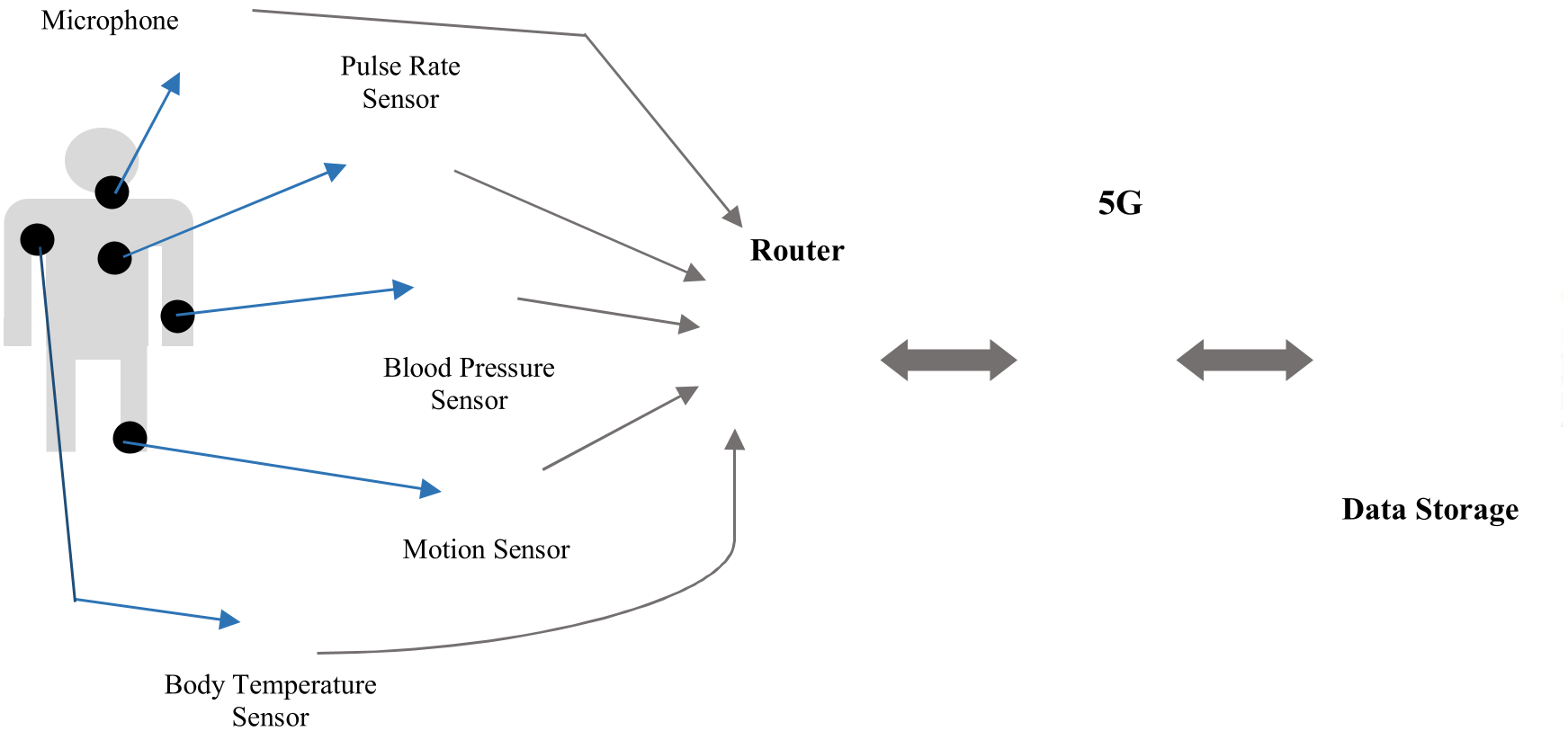 Figure 1: The AutiLife data flow from wearable sensors to 5G edge storage.
3. Smart Classification via SVM
The core "brain" of the system is a Support Vector Machine. The authors chose SVM for its efficiency in binary classification (Normal vs. Danger) with limited feature sets.
- Logic: If the SVM identifies a data cluster as "Danger," it triggers the
Action_Function(), which activates alarms and notifies nearby hospitals. - False Positive Mitigation: The system is designed to correlate motion with vitals. For instance, a high heart rate combined with high motion (exercise) is classified differently than a high heart rate with abnormal tremors (seizure).
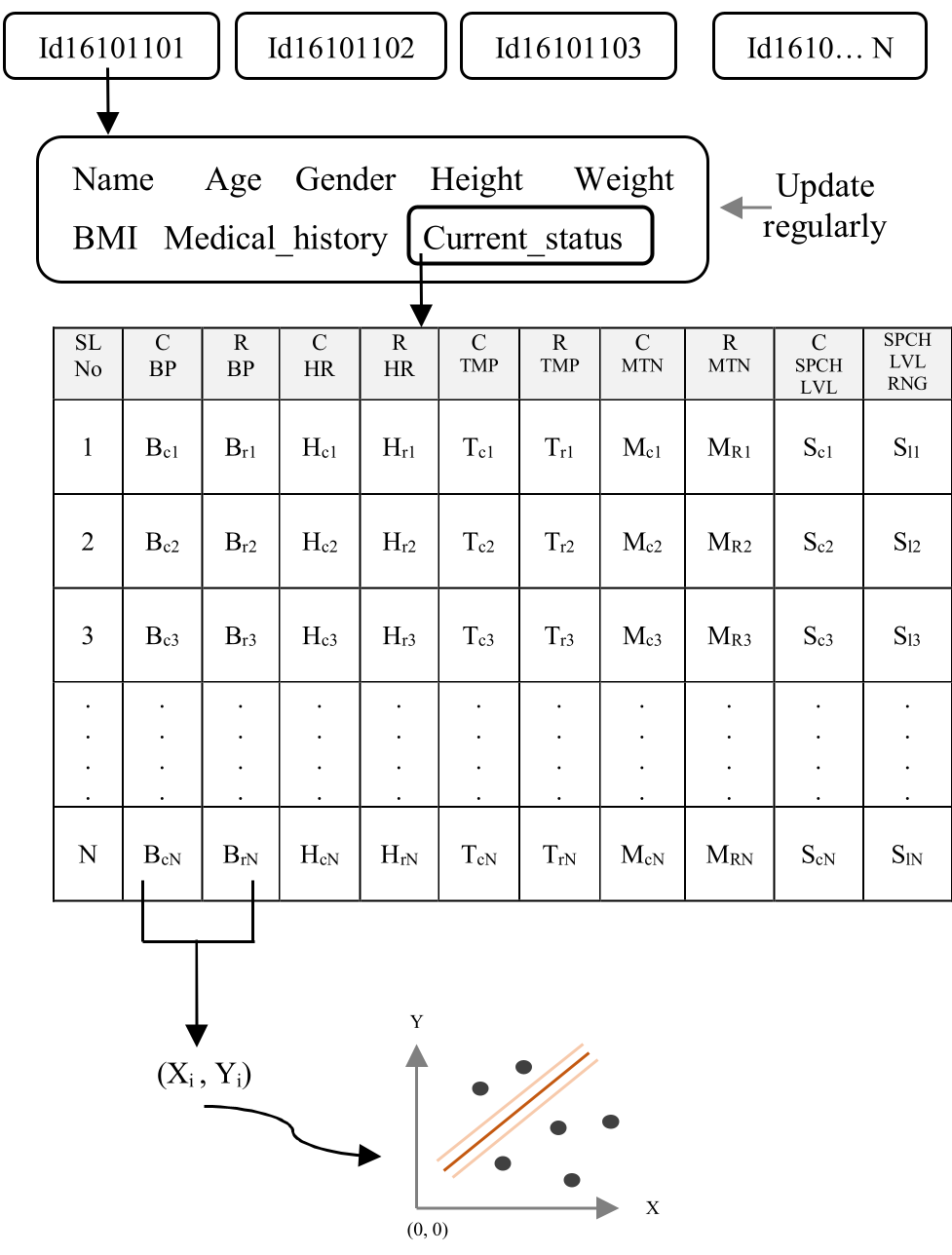 Figure 2: Flow chart illustrating the SVM decision-making process and emergency trigger.
Experimental Insights
The researchers simulated the system with data from 15 children.
- Observation: The system successfully flagged 5 "bad health" conditions.
- Refinement: While the system initially flagged more cases than the actual 3 "bad" conditions, this high sensitivity (low false-negative rate) is preferable in a life-safety context.
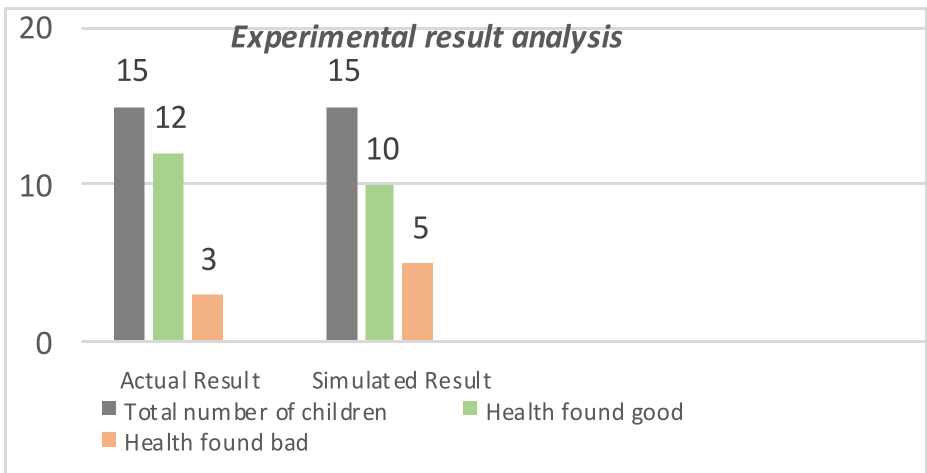 Figure 3: Experimental result analysis for the tested cohorts.
Critical Analysis & Future Outlook
Why it Works: The true innovation isn't just the ML model, but the protocol synchronization. By mapping uRLLC 5G slices specifically to sensor data, the authors solve the "congestion" problem common in Wi-Fi-based smart homes.
Limitations:
- Speech Processing: The current iteration excludes complex speech signal processing, which is vital for detecting emotional meltdowns.
- Sample Size: A simulation of 15 children is a promising pilot, but larger clinical trials are needed to validate the SVM's robustness against "noisy" real-world sensor data.
Conclusion
AutiLife represents a significant step toward "Autonomous Healthcare." For the most vulnerable members of society, technology acts as their voice. As 5G rolls out globally, frameworks like AutiLife will transition from academic proposals to essential infrastructure in specialized care centers.