
Urban Governance in the Era of Big Data: Building the Nervous System of Smart Cities
The Application of Big Data in Urban Governance
This paper explores the integration of Big Data and IoT technologies within urban governance to facilitate the construction of "Smart Cities." It focuses on four key domains: medical services, road transportation, smart grids, and general urban management, positioning big data as a critical driver for the modernization of national governance systems.
TL;DR
As global urbanization accelerates, traditional management models are hitting a "complexity ceiling." This paper analyzes how Big Data acts as the cornerstone of Smart City construction, moving beyond simple data collection to create an intelligent ecosystem for healthcare, transportation, and energy. By leveraging the timeliness and predictability of data, the research outlines a roadmap for shifting urban governance from extensive, manual oversight to precise, algorithmic decision-making.
Background: The Urban Multi-Crisis
Modern cities face a "perfect storm" of challenges: population density, environmental degradation, and resource scarcity. The author argues that traditional acquisition and processing methods are too slow and fragmented to satisfy the increasing pace of urban construction. The core insight is that Big Data is the fundamental source of urban intelligence, providing a way to analyze "massive amounts of species" of information to modernize the national governance system.
Methodology: The Three Pillars of Big Data Governance
The paper defines Big Data's utility through three technical lenses:
- Timeliness: Real-time processing that allows control systems to react simultaneously with information fluctuations.
- Predictability: Using historical patterns to forecast future trends (e.g., traffic peaks or power surges).
- High Efficiency: Utilizing distributed processing to uncover internal relationships within data that human operators would miss.
1. Telemedicine & Medical Systems
Through the integration of IoT and sensors, Big Data enables a remote medical model. This reduces diagnostic time and costs while ensuring that even grassroots patients have access to expert pathological analysis.
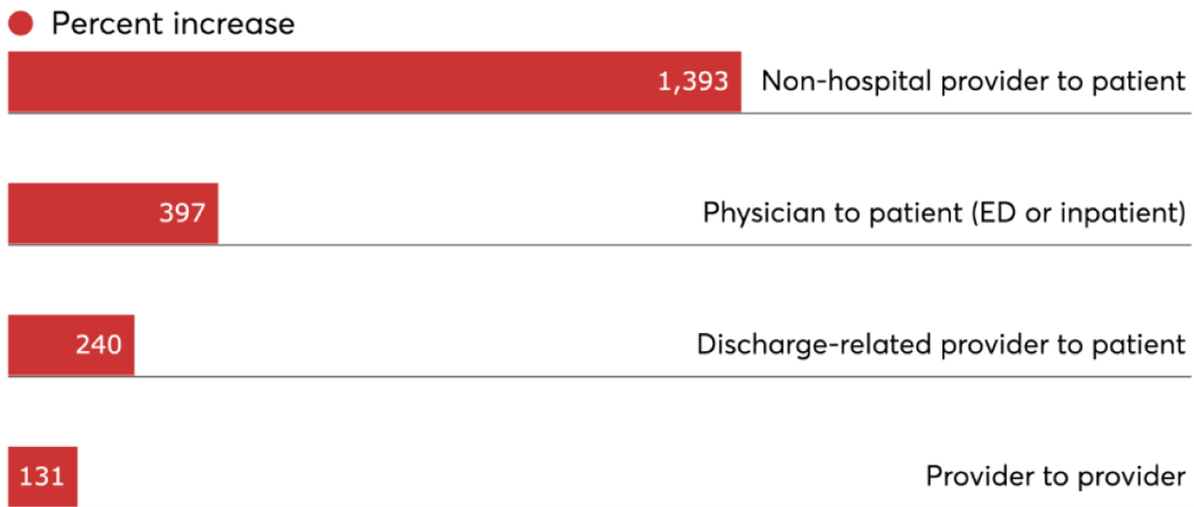 Fig 1: The synergy between IoT and Big Data in Telemedicine.
2. Intelligent Road Transportation
Traditional road management is decentralized and reactive. The proposed model uses remote test systems and accurate navigation to alleviate congestion. By analyzing node data, cities can implement real-time traffic control and improve travel safety.
3. The Smart Grid
With rising electricity demand causing supply imbalances, the paper advocates for Big Data-driven resource allocation. Sensors and communication equipment monitor the grid's health, ensuring safety and stability while maximizing economic benefits.
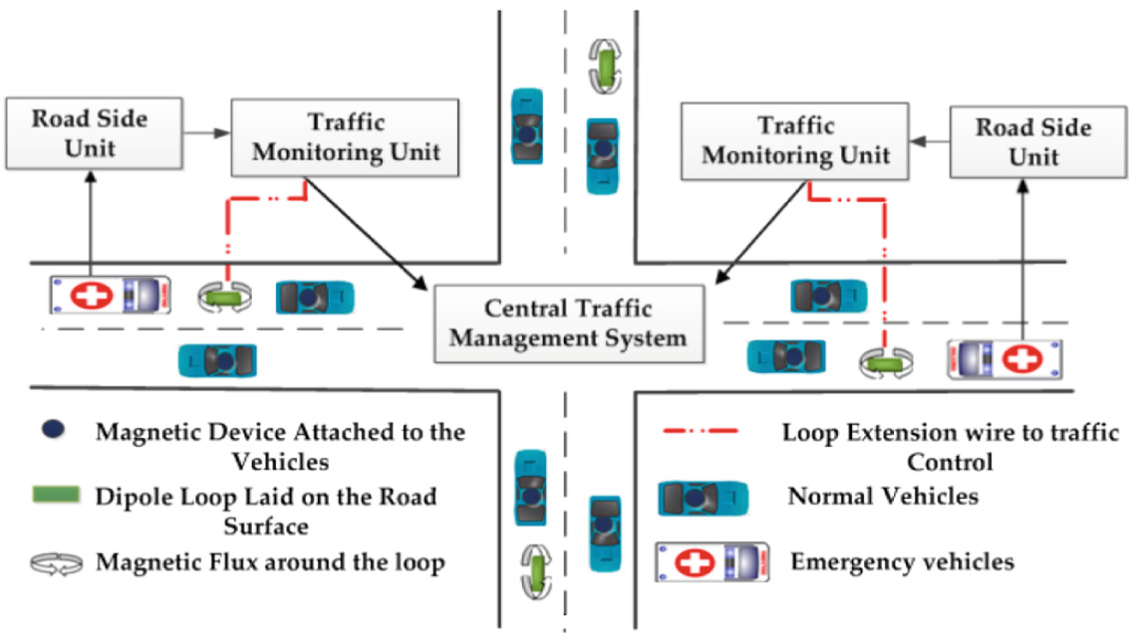 Fig 2: Sensor-driven data support for smart grid stability.
Critical Results and Impact
The research posits that Big Data technology has "penetrated into all aspects of urban development." Unlike older systems that focused on silos (just medical or just transport), the Smart City framework emphasizes information integration.
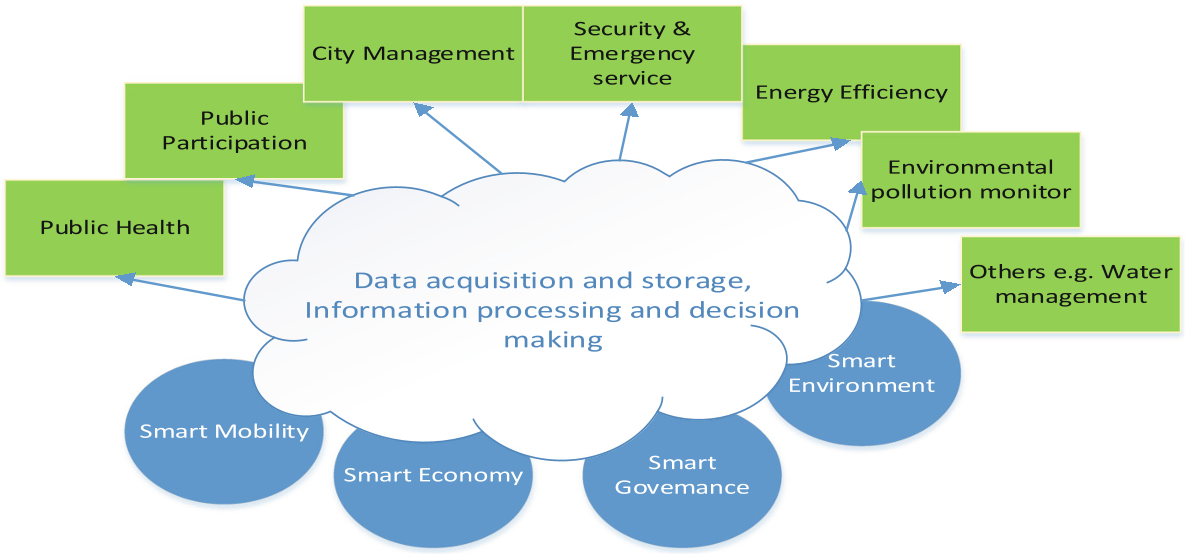 Fig 3: The Big Data application loop in the smart city ecosystem.
Key Gains:
- Efficiency: Faster response times to public events and citizen appeals.
- Cost: Significant reduction in infrastructure and service delivery costs.
- Governance: Transition from "extensive" to "scientific" decision-making platforms.
Critical Insight & Future Outlook
While the paper paints a transformative picture, it acknowledges a significant hurdle: the depth of application at the primary (grassroots) level. Current Big Data governance is often robust at the top-level design stage but lacks "practicality and applicability" in daily community affairs.
The future of urban governance lies in the "height of fit"—how seamlessly massive data resources like "smart door cards" and IoT sensors can be integrated into the lives of everyday citizens without compromising privacy or creating digital divides. True modernization will require not just better algorithms, but a total update of urban management concepts.
Conclusion
This work serves as a high-level blueprint for a data-driven society. It reminds us that the city of the future is not just made of steel and concrete, but of the invisible, flowing streams of data that ensure the system remains stable, safe, and human-centric.