
Empowering Physicians: A User-Friendly ML Gateway for the Healthcare Domain
Bringing machine learning closer to non-experts: proposal of a user-friendly machine learning tool in the healthcare domain
This paper proposes a user-friendly Machine Learning (ML) tool specifically designed for the healthcare domain to bridge the gap between AI complexity and medical expertise. The platform utilizes a visual "node-and-link" interface and heuristic recommendation engines to allow non-expert physicians to build, train, and interpret ML pipelines without coding.
TL;DR
The medical field is drowning in data but starving for accessible analysis tools. This paper introduces a proposal for a customized, visual Machine Learning platform that allows physicians to design, train, and interpret AI models without writing a single line of code. By combining a drag-and-drop interface with an educational heuristic system, the authors aim to transform doctors from passive AI consumers into active model creators.
The "Skill Gap" in Medical AI
Machine Learning is perfect for healthcare: it excels at pattern recognition in images, ECG signals, and patient records. However, a massive "impedance mismatch" exists. AI experts don't always understand clinical nuances, and physicians—while experts in human biology—are often intimidated by hyperparameter tuning, data normalization, and the technical syntax of Python libraries like Scikit-learn.
The authors argue that existing tools like Weka or Orange are powerful but still too generic. There is a dire need for a tool that speaks the "language of the clinic," providing guided validation and educational feedback throughout the modeling process.
Methodology: Human-Centered AI Architecture
The researchers didn't just build a tool; they designed an ecosystem. Using a User-Centered Design (UCD) approach, they interviewed physicians and AI experts to define a modular architecture (based on the C4 model).
1. Visual Pipeline Designer
Instead of code, users interact with a graph layout. Nodes represent tasks (Data Loading, Pre-processing, Training, Evaluation) and links represent the flow of information. This "Node-and-Link" philosophy makes the logic of a machine learning workflow visible and tangible.
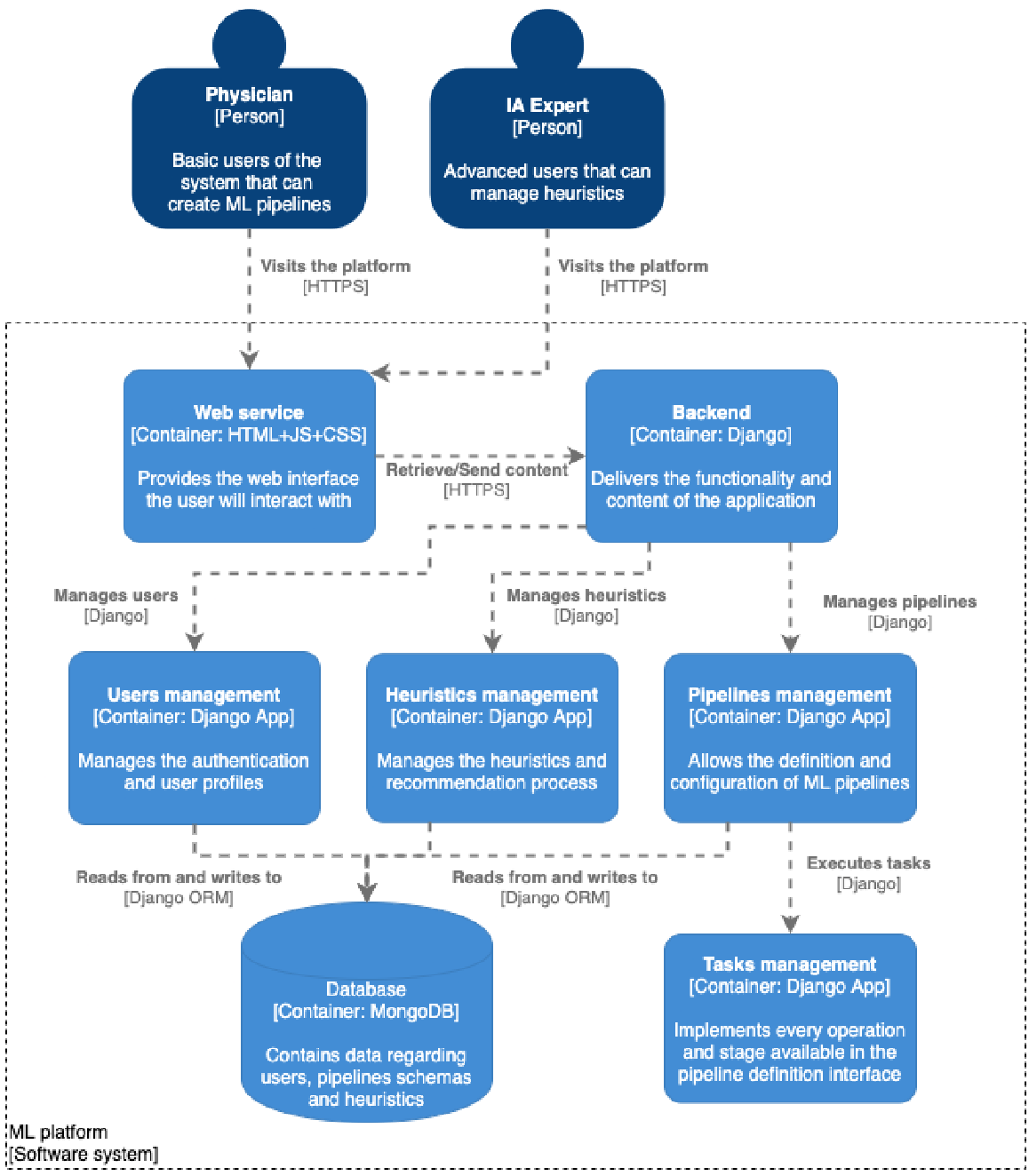 Figure 1: The C4 model illustrating the system's modular architecture, separating task management from heuristics.
2. The Heuristic Recommender
One of the most innovative features is the Heuristics Management Module. For a non-expert, choosing between a Random Forest and a Support Vector Machine (SVM) is guesswork. The platform uses a rule-based engine to recommend algorithms based on the user's data volume, data types, and the specific medical problem being solved.
From Prototype to Clinical Insight
The developed prototype focuses on transparency. One of the core requirements identified was the ability to inspect intermediate results. In medical science, the "final answer" isn't enough; doctors need to see how data was transformed at each stage to ensure clinical validity.
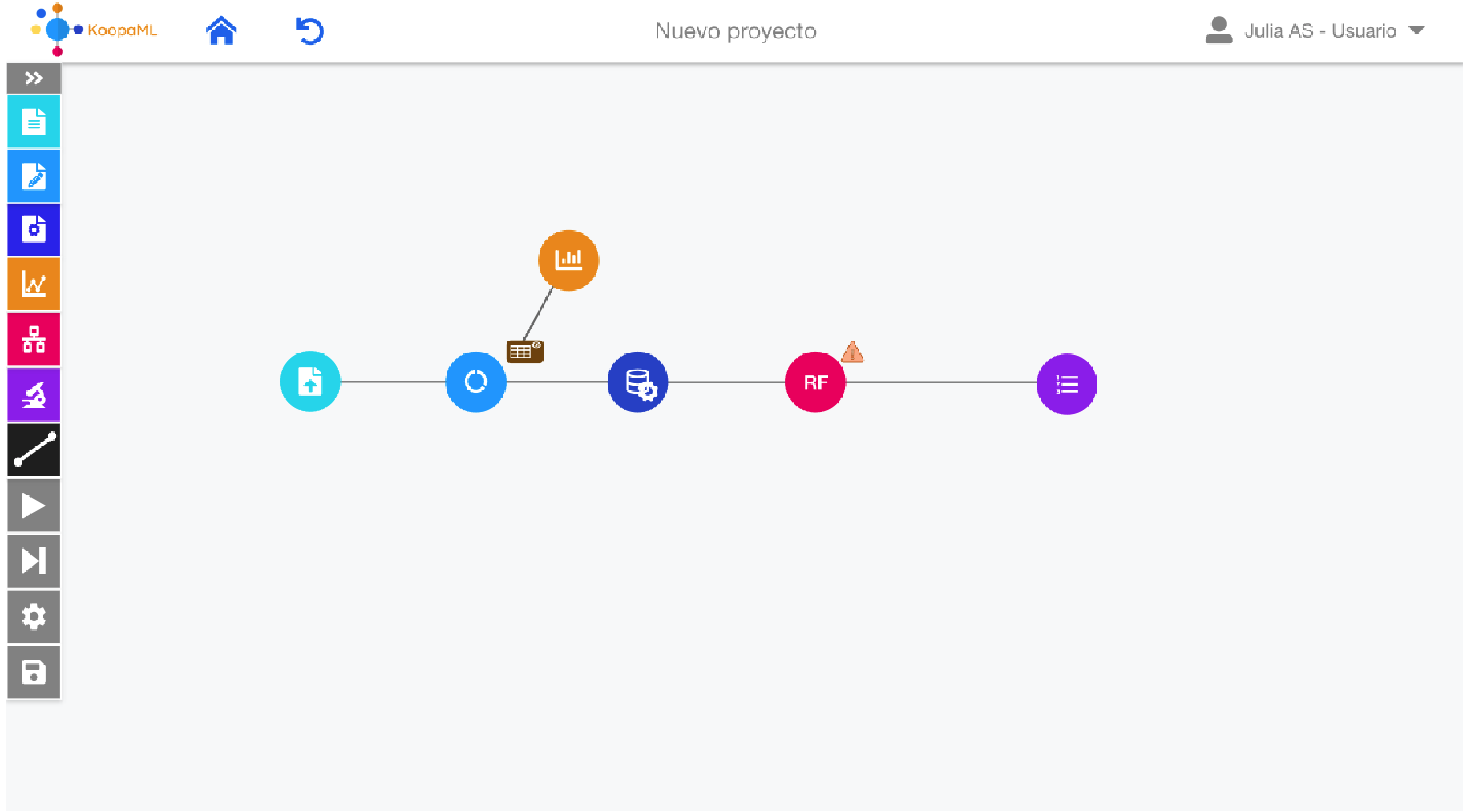 Figure 2: A visual pipeline example. Note the educational annotations and warnings that guide the user away from common ML pitfalls.
The execution phase provides clear visualizations such as ROC curves, Precision-Recall charts, and Specificity metrics, which are standard in medical literature, making the ML outcomes immediately "peer-review ready."
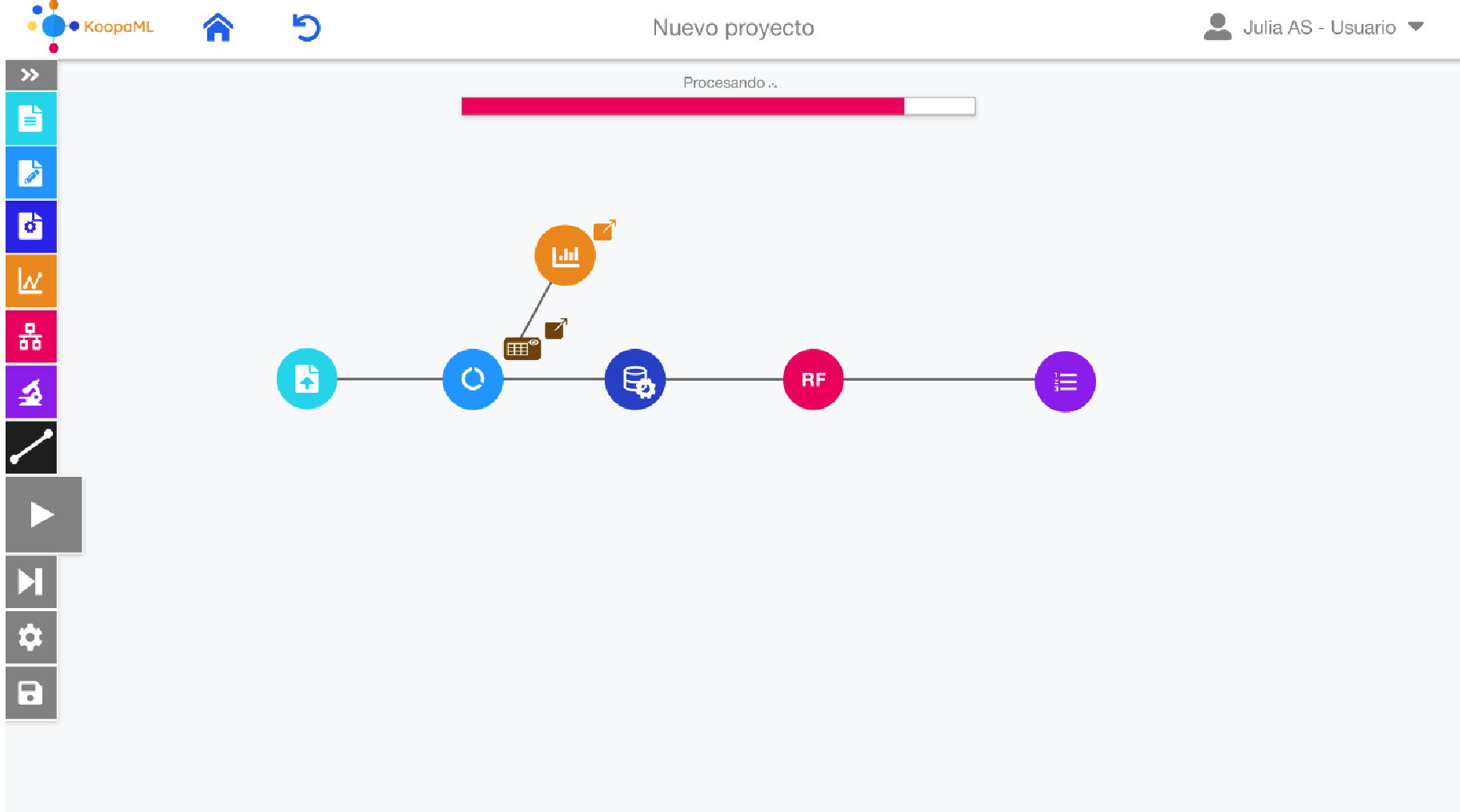 Figure 3: Execution interface showing performance metrics essential for clinical assessment.
Critical Insight & Future Outlook
This work represents a shift from "AI as a Service" to "AI as an Instrument." By focusing on the educational experience, the authors ensure that the tool doesn't just provide a prediction, but also builds the user's "AI Literacy."
Limitations & Challenges:
- Technological Acceptance: Will busy clinicians find the time to build their own pipelines, or will they still prefer to delegate?
- Scalability: As AI rapidly evolves (e.g., Large Language Models), the "Tasks Management Module" must be incredibly flexible to incorporate new architectures without breaking the visual interface.
Conclusion: The proposal successfully aligns the rigor of Data Science with the usability requirements of the Healthcare sector. By integrating this tool into the existing "technological ecosystem" of the University Hospital of Salamanca, the researchers are paving the way for truly democratized, practitioner-led medical AI.