
iSeed: Cultivating Social Communities Through Alternate Reality Games
Building Social Commmunities around Alternate Reality Games
This paper introduces iSeed (Living Stories), the first Alternate Reality Game (ARG) in the UK designed to address environmental issues by bridging social networking sites, virtual worlds like Second Life, and real-world activities. The project leverages a cross-platform ecosystem to engage the 18-35 demographic in sustainability through collaborative content creation and virtual rewards.
TL;DR
Environmental awareness campaigns often struggle to resonate with younger, tech-savvy audiences. The iSeed (Living Stories) project addresses this by deploying an Alternate Reality Game (ARG) that turns real-world environmental action into a collaborative social game. By integrating Facebook, Twitter, and Second Life, it creates an "archaeological dig" of narrative clues where users don't just play—they become narrators and community builders.
Background: Beyond the Console
The paper positions ARGs as a subset of Mixed Reality (MR), existing on the "Virtuality Continuum" between the physical and the digital. Unlike traditional games confined to a screen, ARGs utilize:
- Spatial Expansion: The entire world (or a cityscape like London) becomes the playground.
- Temporal Expansion: The game persists 24/7; a phone call or an email could trigger a quest at any moment.
- Social Expansion: It forces strangers to collaborate to solve puzzles that are too difficult for any single individual.
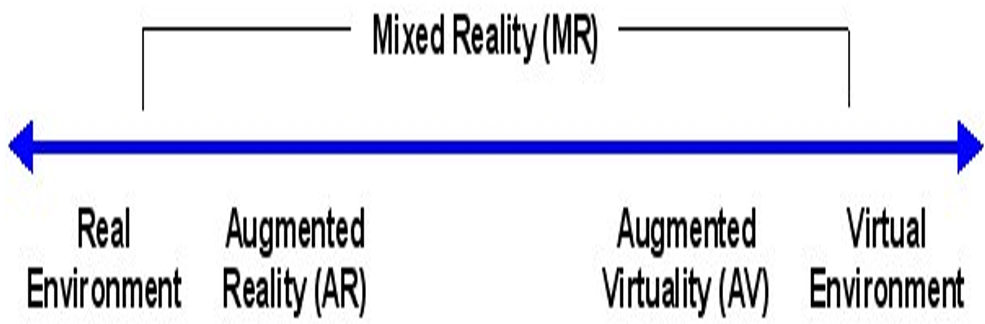
The Problem: The Tragedy of the Commons in a Digital Age
The authors highlight a persistent challenge: environmental apathy among the 18-35 demographic. Traditional media is passive, and serious games often feel like "hidden homework." The motivation behind iSeed is to use the Social Interface—a design philosophy that makes the transition from an individual to a community member "frictionless."
Methodology: How iSeed Works
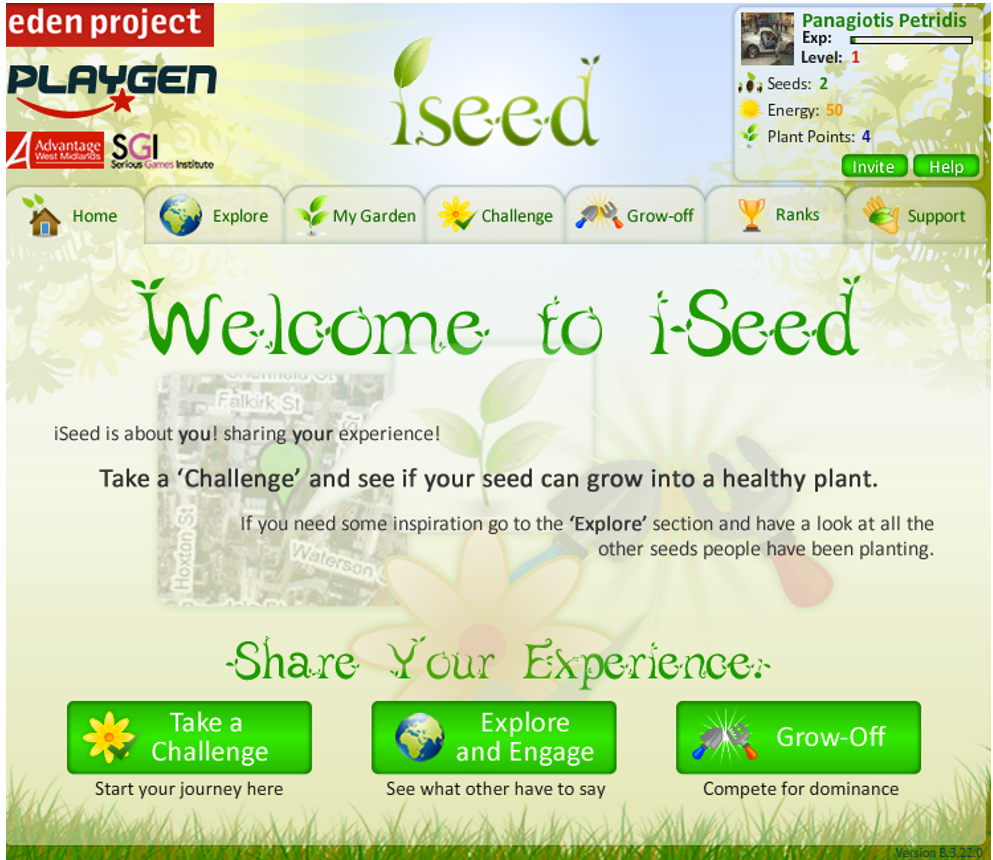
The core loop of iSeed revolves around "Social Objects"—specifically, photos and stories related to nature, organic farming, or clean energy.
- Planting Seeds: Users take photos of "plants, produce, or places of natural interest" and upload them via mobile.
- Cultivation: The community "cultivates" these seeds. A seed’s survival depends on peer-assessed quality (tags, ratings, and comments).
- Cross-Platform Integration: Content flows from mobile/social sites into Second Life, where the Eden Project has a virtual presence, creating a feedback loop between real actions and virtual rewards.
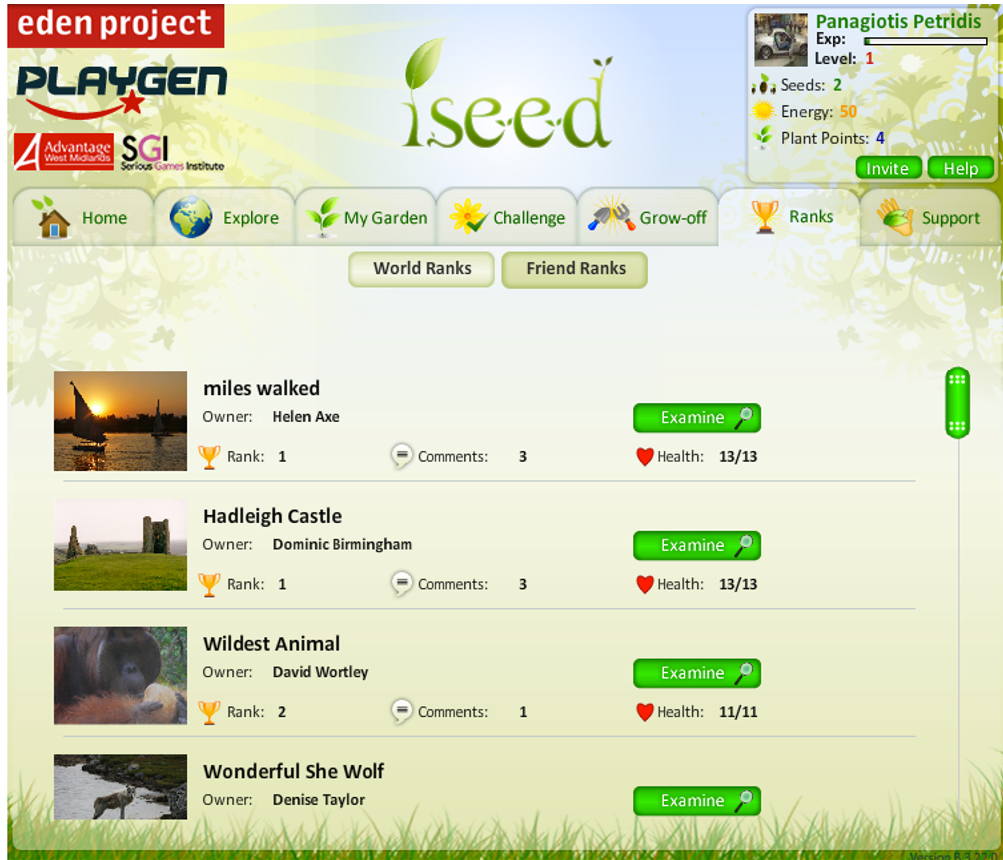
The game uses a Rankings System to surface the most impactful stories, ensuring that the best content gains the most visibility, thereby educating others through "Social Learning."
Experimental Insights
The preliminary study of 41 active participants confirmed several hypotheses:
- Demographic Hit: 41% of users were aged 21-30, and 20% were 31-45. This confirms that ARGs are a potent tool for reaching the "hard-to-reach" millennial and Gen Z demographics.
- Awareness Shift: 24% of the sample entered the game with no prior awareness of environmental causes but became active participants.
- The Power of Reputation: The study noted that users are highly motivated by their "reputation" and "identity" within the social graph, a key insight for future serious game designers.
Critical Analysis & Conclusion
The Living Stories project demonstrates that for a serious game to be successful, it must be "where the people are"—in this case, on social media.
Key Contributions:
- Validation of the ARG Model: Proves that ARGs can move from "marketing stunts" (like The Beast or I Love Bees) to legitimate educational and social tools.
- Hybrid Ecosystems: Demonstrates how to effectively link disparate platforms (Web 2.0 + Virtual Worlds + Meatspace) into a unified narrative.
Limitations & Future Work: The main drawback noted is the "Critical Mass" problem. A social interface looks "dead" if updates aren't frequent, which can deter new users. Future research must find the psychological "sweet spot" that triggers spontaneous community formation without constant intervention from "storymasters."
As we look toward 2026 and beyond, the integration of real-world sensors (GPS, RFID) and social graphs will only make these "Alternate Realities" more immersive. iSeed provides the blueprint for shifting environmentalism from a chore into a collective adventure.