
The Marriage of Business Dynamics and Software Engineering: Why Your Process Must Evolve
10729_The Marriage of Business Dynamics and Software Engineering.
The paper introduces a strategic framework that aligns the software engineering life cycle (Entry, Growth, Stability, Sunset) with business dynamics and market values. It demonstrates how process models must evolve from Agile/Iterative to Gated/Waterfall structures as product complexity increases to maintain profitability and market relevance.
TL;DR
A software process is only as good as its ability to satisfy the market. This paper argues that the heated debates between "Agile" and "Waterfall" are often academic distractions. In reality, a product's life cycle—from a 10 KLOC prototype to a 1 MLOC legacy platform—dictates a mandatory transition from flexible, low-burden methods to rigorous, gated management.
Positioning: This is a classic foundational piece in Engineering Management that bridges the gap between Geoffrey Moore’s market theories and practical software process selection.
Problem & Motivation: The Process Vacuum
Most engineers argue about processes (Scrum, Kanban, Waterfall) as if they were religions—matters of right or wrong. However, the author, Ram Chillarege, points out that software is a business driven by cost, time, and quality.
The central tension is that market values are not static. What a customer values in a "New Entry" product (Innovation) is the polar opposite of what they value in a "Stable" product (Predictability). When engineering teams fail to shift their process in tandem with these market shifts, they fall into the "Chaos" zone where complexity outpaces control.
Methodology: The Life-Cycle Marriage Model
The author breaks down the software journey into four stages, each requiring a different "marriage" between the business and the engineering team:
- Entry: High Innovation, Time-to-Market. Best served by Agile/Iterative models.
- Growth: Feature wars and the "Large-Volume Effect." Shift starts toward Spiral/Gated models.
- Stability: High Predictability and Interoperability. Gated/Rigorous processes become mandatory.
- Sunset: Reliability and Cost Reduction. Focus on Efficiency/Maintenance.
The Core Evolution
As shown in the architecture of this theory, the "hockey stick" of earnings is directly tied to the technical debt and process rigor managed during the Growth phase.
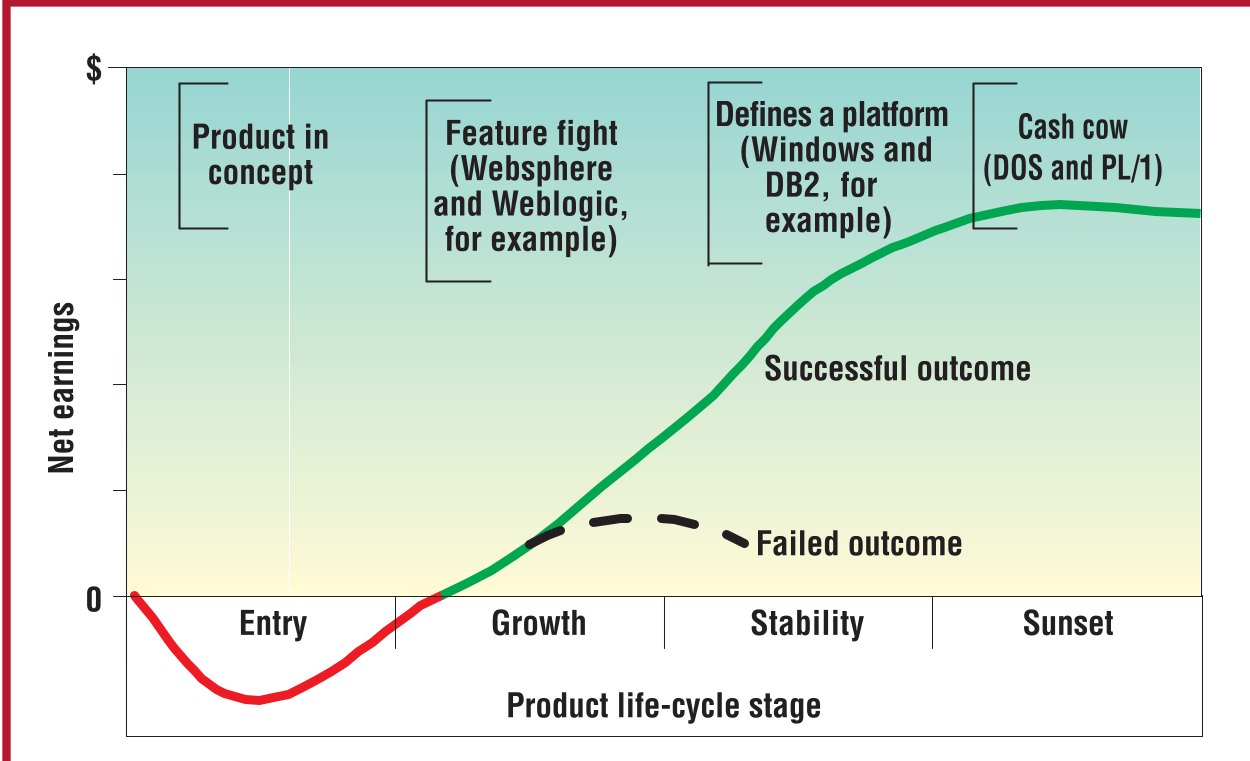
Figure 1: The classic financial life cycle. The transition points on this curve are where most software processes fail.
The "Predictability" Flip
One of the most striking insights is the "Innovation vs. Predictability" crossover. In the Entry stage, Innovation is the top priority. By the Stability stage, Innovation is at the bottom, and Predictability is the #1 market demand.
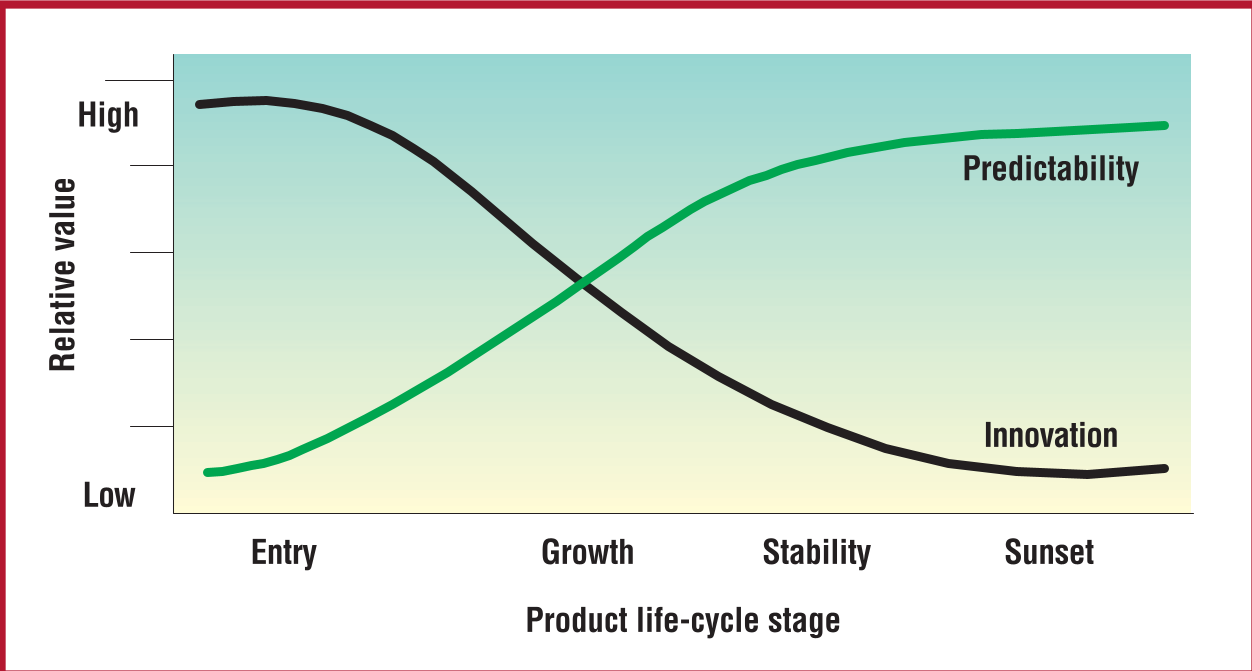
Figure 2: The x-axis represents the life cycle. Note how Innovation and Predictability trade places during the Growth stage.
Critical Analysis: The Complexity Arc
Chillarege warns that as product complexity (measured roughly in KLOC) grows, the "Process Rigor" must grow proportionally.
- The Proactive Path: Engineering leaders anticipate the need for gates and metrics before the growth plateaus.
- The Catch-up Path: Teams stay "Agile" for too long, leading to a period of chaos where reliability tanks just as the customer base explodes.
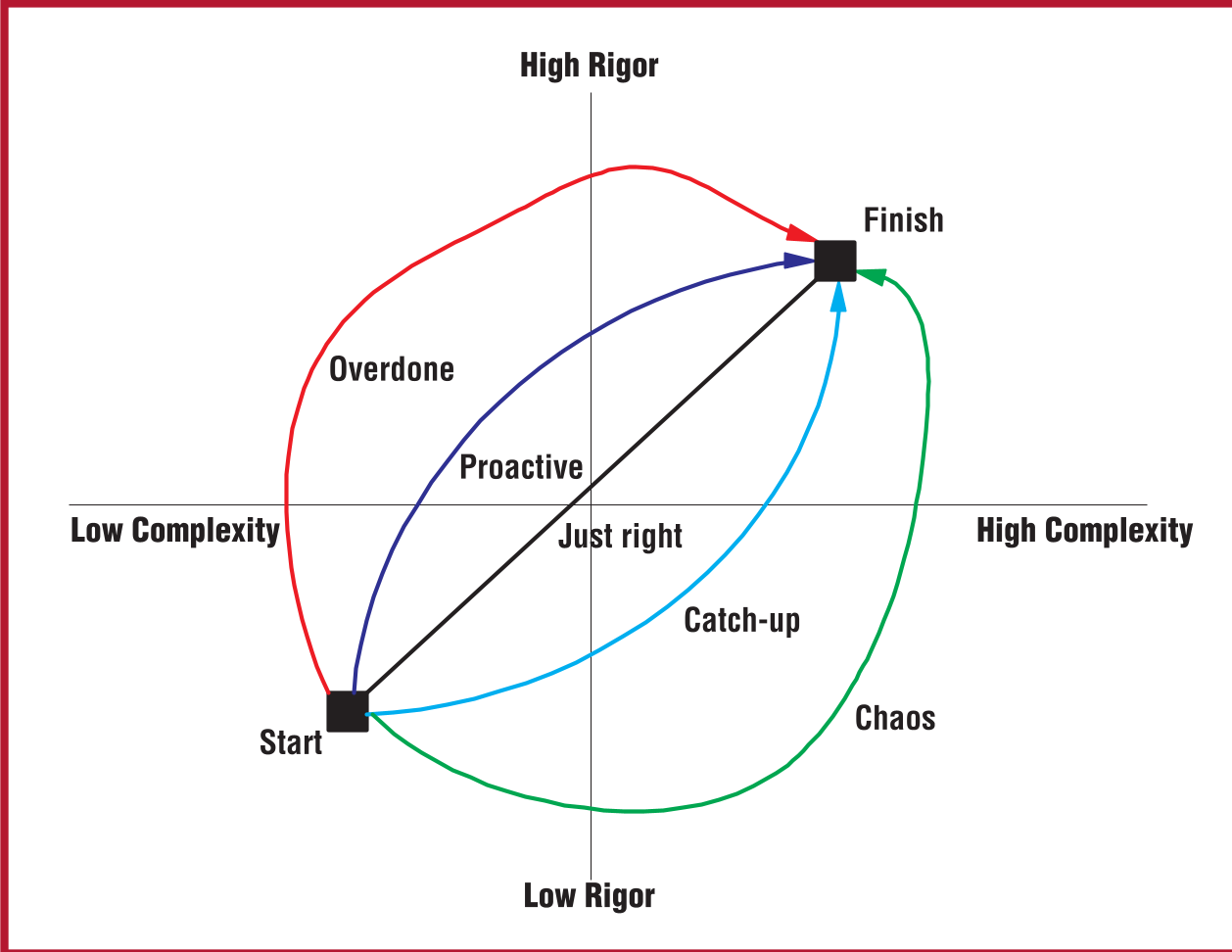
Figure 3: Finding the balance between complexity and rigor.
Experimental Insight: Process Attributes
The paper provides a breakdown of why "Iterative" isn't always better. While it ranks high for Speed to Change, it ranks low for Distributed Development and Multiproduct Integration—two things that are vital for enterprise stability.
Takeaway & Future Outlook
The ultimate conclusion is sobering for "Agile Purists": The degree of choice in software process only lasts for about 25% of a product's life.
If you are building a platform meant to last 20 years, you are inevitably moving toward a "Modified Waterfall" or "Gated" architecture. The goal isn't to fight this transition, but to manage it using sophisticated diagnostics like Orthogonal Defect Classification (ODC) to ensure that the added rigor actually improves ROI rather than just creating bureaucracy.
Final Thought: Are you running a 1 million line-of-code platform with a 10,000 line-of-code process? If so, the market is about to equalize your opinions.