
Beyond Connectivity: Decoding Cancer Patient Behavior on Facebook through SCT and TTF
Cancer Patients on Facebook: A Theoretical Framework
This study proposes a theoretical framework to examine the behavior of breast cancer patients in Malaysia using Facebook for health support. By integrating Social Cognitive Theory (SCT) and Task-Technology Fit (TTF), the researchers identified key drivers of patient performance in online health communities, validating the model with 178 participants.
Executive Summary
TL;DR: This research investigates what drives breast cancer patients to effectively use Facebook for health support. By merging Social Cognitive Theory (SCT) with Task-Technology Fit (TTF), the study reveals that performance in online health communities is a delicate balance of personal confidence (Self-efficacy), external encouragement (Social Support), and the technical suitability of the platform for health-related tasks.
Context: This work moves the needle from simple descriptive analysis of "what patients do" to a predictive, theory-driven model of "why they engage." It positions itself as a bridge between behavioral psychology and Information Systems (IS) research in a middle-income healthcare context (Malaysia).
The Core Dilemma: Why Simply Being Online Isn't Enough
While Social Network Sites (SNS) like Facebook offer unprecedented transparency and knowledge translation, many healthcare institutions struggle to turn these platforms into effective clinical support tools. Prior research often missed the "human-system" interaction—either focusing too much on the technology or too much on the patient’s psychological state. The authors argue that to understand performance (how effectively a patient uses the site to manage their condition), we must look at the dynamic interaction between the individual and their digital environment.
Methodology: The Fusion of Psychology and System Design
The authors argue that SCT is the most comprehensive lens for this because it views behavior as a triadic reciprocal causation between the person, the environment, and the behavior itself.
The Integrated Framework
To sharpen the "environmental" aspect, the authors integrated Task-Technology Fit (TTF). The logic is simple but profound: A patient might have high self-efficacy (person), but if the technology (Facebook) is poorly suited for the specific task (e.g., finding verified clinical trial data), the performance will suffer.
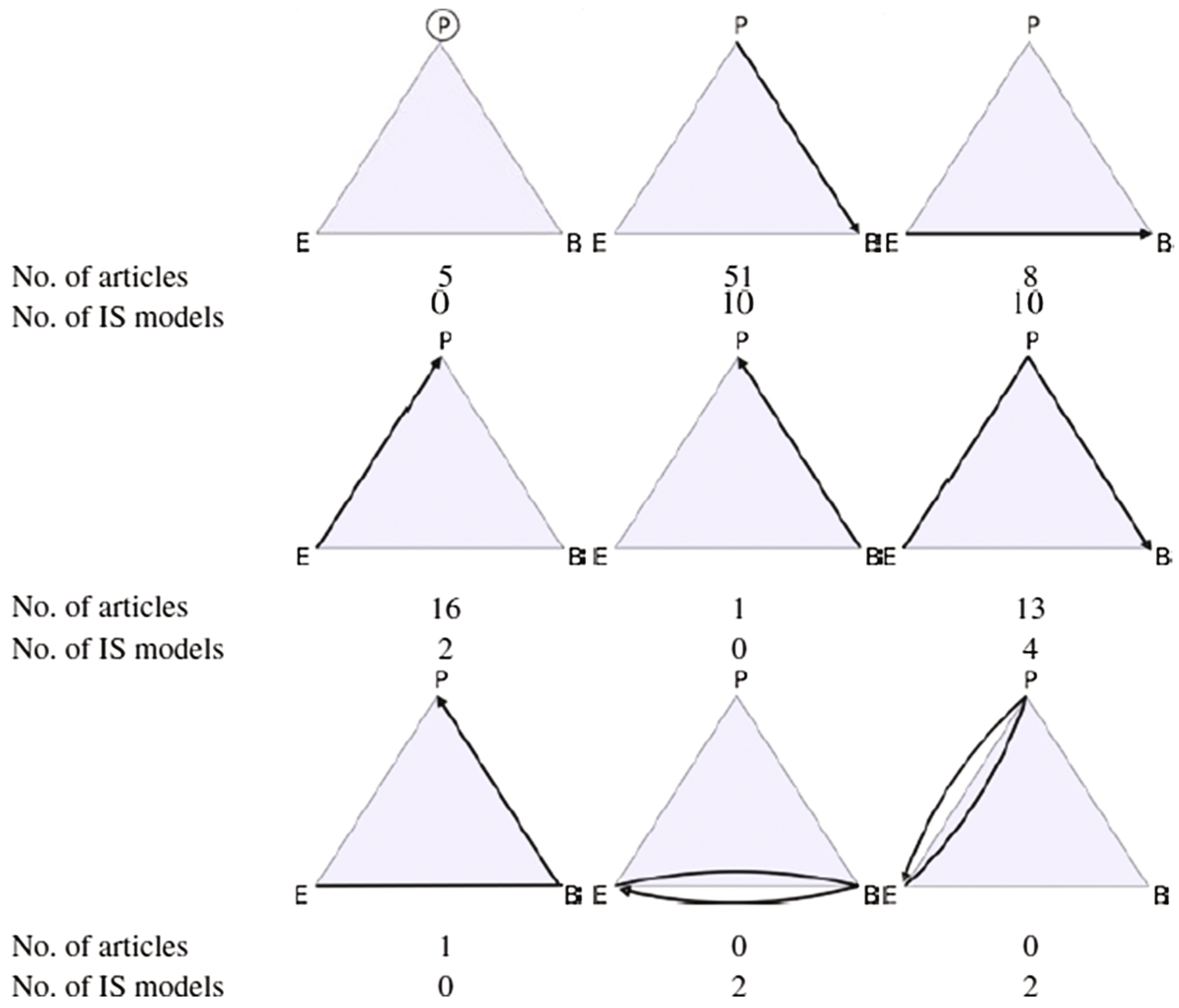 Figure 1: The conceptual void—addressing the lack of models that integrate individual factors with technological fit.
Key Findings: What Drives Performance?
Using data from 178 breast cancer patients in Malaysia, analyzed via Smart PLS 3, the study validated several critical hypotheses:
- Self-Efficacy is King (β=0.332): The strongest predictor. Patients who believe in their ability to navigate the digital landscape are far more likely to derive value from it.
- The Power of the Fit (t=3.972): Task and Technology characteristics must align. Performance isn't just about "good apps," but about apps that match the specific "tasks" of a cancer journey (e.g., emotional venting vs. information seeking).
- Social Support (β=0.297): Validates the "social" in SNS; the perception of being part of a community directly enhances how a patient utilizes the system.
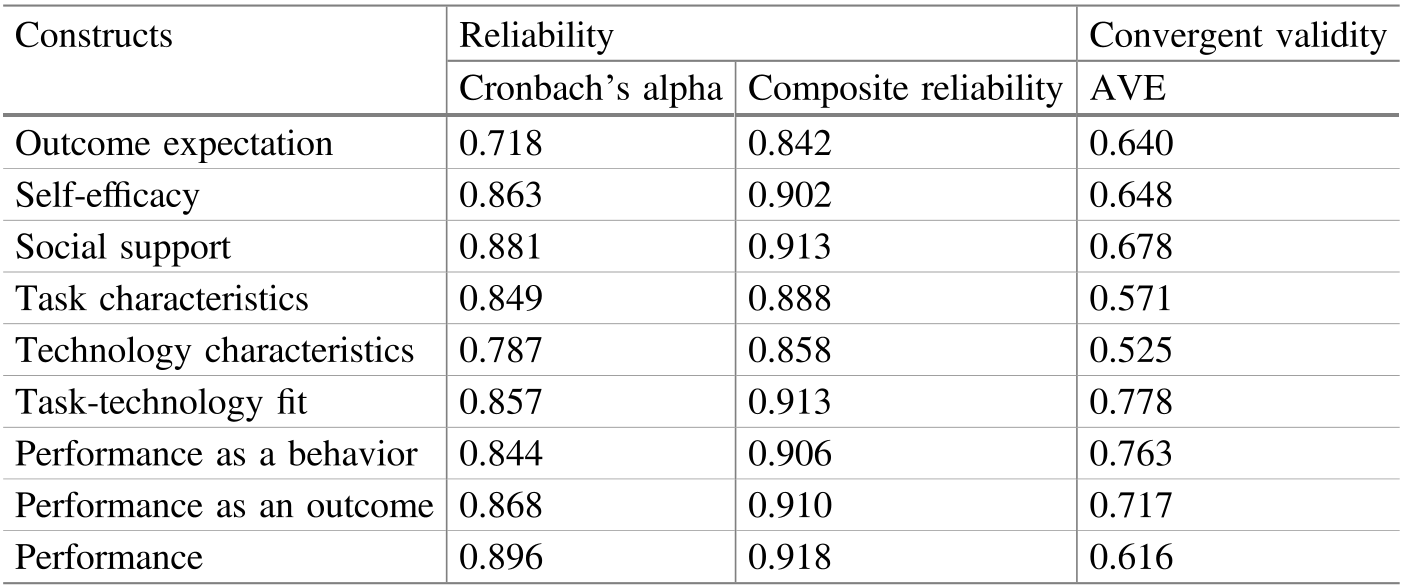 Table 1: Statistical validation showing high Cronbach's Alpha (0.718 - 0.896), ensuring the measurements were robust.
Final Insights & Future Outlook
Impact & Takeaways
- For Developers: "One-size-fits-all" social media doesn't work for health. Features must be designed to enhance Task-Technology Fit.
- For Clinicians: Interventions should focus on building a patient's Self-Efficacy. Teaching a patient how to use these tools is as important as the tools themselves.
Limitations & Future Work
The study focused primarily on Breast Cancer and Facebook. As the digital health landscape shifts toward specialized apps and AI-driven support, future research must test if these SCT/TTF relationships hold true in more private or automated environments. Additionally, expanding the sample beyond Peninsular Malaysia would help validate these findings across different cultural health beliefs.
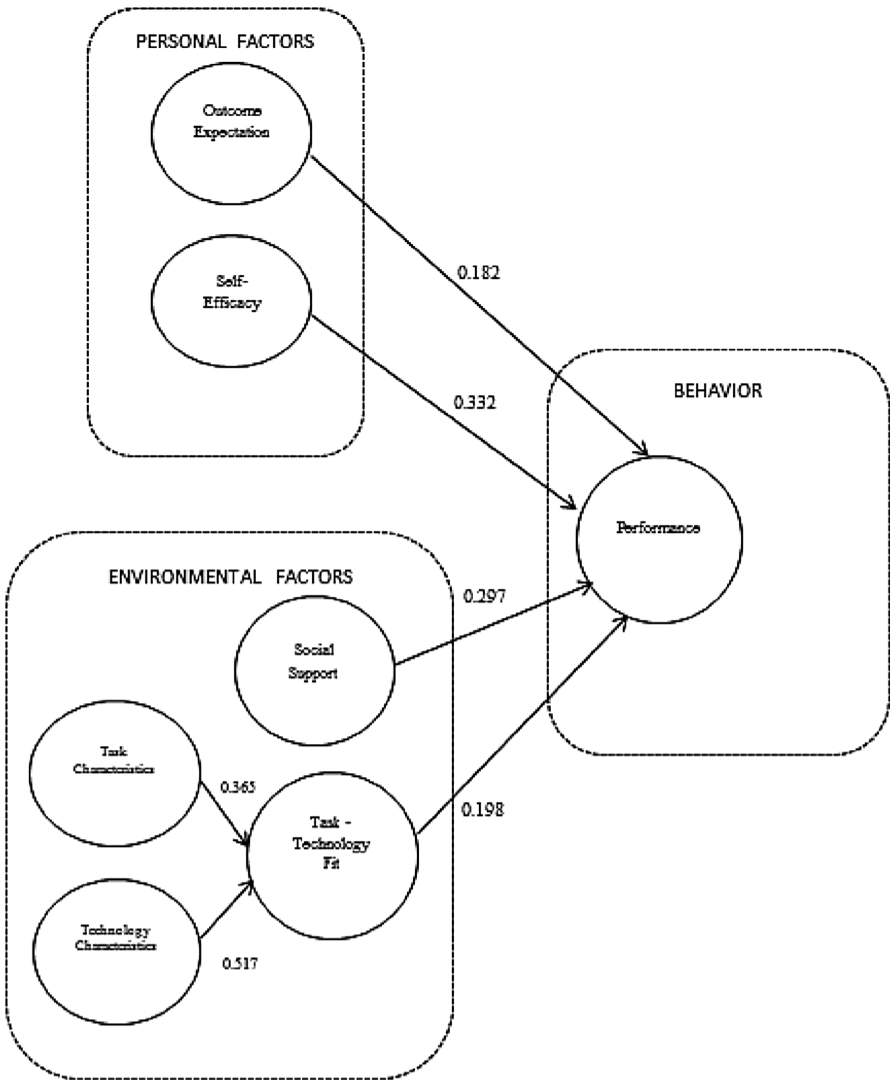 Figure 2: The validated structural model showing significant paths to performance.
Conclusion: This study provides a vital blueprint for "Patient-Centered Care 2.0," proving that technology is only as effective as the cognitive and social framework it inhabits.