
The Digital Childhood Dilemma: Insights from the Portuguese Frontier
Could Children Be Influenced by Technology? An Exploratory Study in Portugal
This exploratory study investigates the multifaceted influence of technology on Portuguese children aged 5-13 through a tripartite survey of children, parents, and teachers. It identifies a near-universal adoption of digital devices among youth, concluding that while technology enhances educational engagement and information access, it poses significant risks to attention spans and social-emotional development.
TL;DR
In a world where digital devices have become the modern "pacifier," research from Portugal reveals a stark reality: 100% of children in the study sample are daily users of technology. While it acts as a powerful catalyst for E-learning and global connectivity, it simultaneously threatens attention spans and replaces vital physical development. This study navigates the thin line between digital literacy and technological addiction.
Background: The Shift from Dirt to Data
The generation born after 2007 (the launch of the smartphone) exists in a radically different sensory environment than their predecessors. Where the 1990s child relied on "rough-and-tumble" outdoor play to achieve sensory-motor milestones, today's youth navigate complex virtual interfaces before they can even tie their shoelaces. The researchers identify this as a pivotal shift in the "Inductive Bias" of human development—where the environment no longer demands physical navigation but digital consumption.
Problem & Motivation: The Rise of Technoference
The authors introduce the concept of "Technoference"—the interruption of social interactions and daily activities due to digital devices. The core motivation for this study stems from a troubling observation: parents are increasingly using technology to "distract" crying children, while schools are mandating digital competence. The friction lies between technology as a tool for empowerment versus technology as a source of cognitive and physical atrophy (e.g., childhood obesity and decreased memory).
Methodology: A Triangulated Perspective
The study utilized an exploratory survey model in Portugal to capture a 360-degree view of the issue. By questioning children, their guardians, and their educators, the study bypassed the bias of a single-source perspective.
Key Metrics Analyzed:
- Ownership & Access: Who owns the device vs. who uses it.
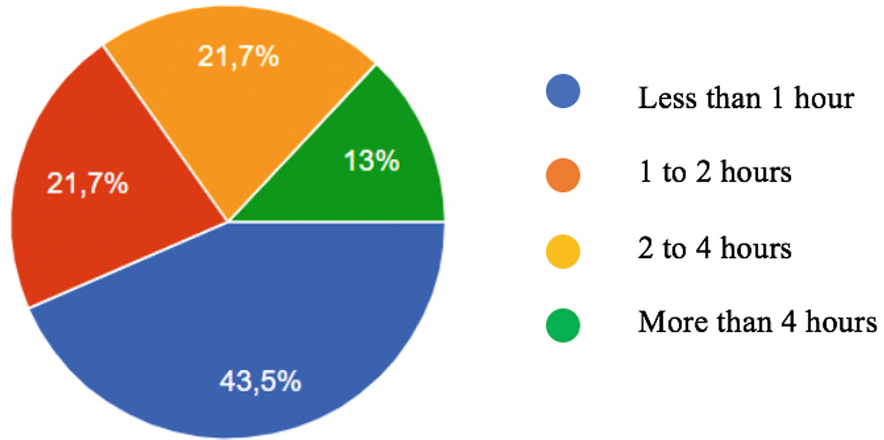
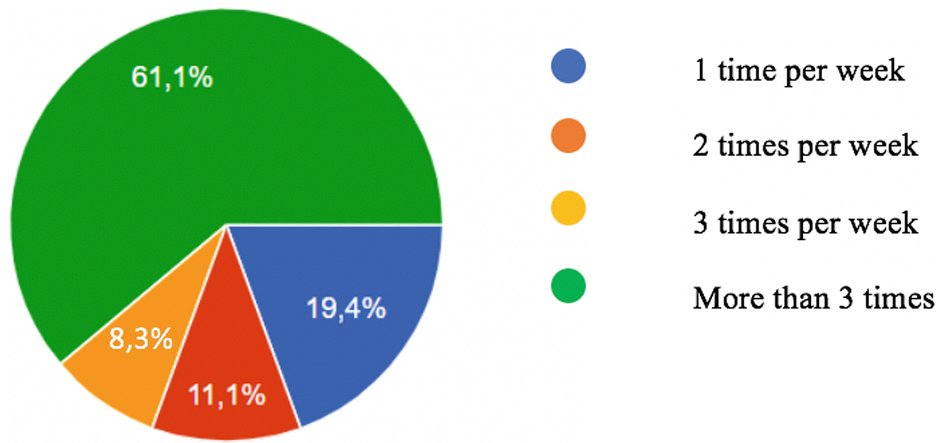
- Temporal Impact: Daily hours spent vs. frequency per week.
- Behavioral Shifts: Observed changes in temperament when the device is removed.
Core Findings: The "Gaming" Dominance
The data reflects a significant trend: 100% of the children use devices to play video games.
- The Good: 82.2% of children find E-learning more effective than traditional methods. Teachers noted that digital tools can transform a classroom into a space of active understanding rather than rote memorization.
- The Bad: 86.7% of parents notice behavioral changes (irritability) when children use devices.
- The Ugly: Over 60% of students admitted that their grades and concentration levels suffer due to gadget dependency.
Methodology Insight: Why the Impact is Polarized
The study suggests that the "valence" of technology’s influence is determined by Parental Integration. In cases where parents "co-play" or use devices to facilitate literacy (e.g., e-books), the outcomes are positive. However, when used as an "isolation tool," technology triggers sedentary habits and social withdrawal. The authors emphasize that technology doesn't just "happen" to a child; it is mediated by the family ecosystem.
Critical Analysis & Future Outlook
Takeaway
Technology is no longer an optional "extra" in childhood; it is the infrastructure of their social and academic lives. The study confirms that while technology enhances investigative skills and strategic thinking, it does so at the cost of attention persistence.
Limitations
As an exploratory study with a sample of 38 children in a specific Portuguese region, the findings provide a snapshot rather than a global longitudinal truth. The "intermediate" technology status of Portugal might show different results compared to "hyper-tech" hubs like Silicon Valley or Tokyo.
Future Prospect
The next frontier of research must move beyond "How much screen time?" to "What kind of screen time?". The goal for future product designers and educators should be to design "low-technoference" interfaces that encourage, rather than replace, human-to-human interaction.