
SocialBAM: Bridging the Digital Divide for SMEs through Cloud Computing
A Cloud Computing Solution for Digital Marketing: A Case Study for Small and Medium-Sized Enterprises
This paper presents SocialBAM, a cloud-based social media management system specifically designed for Small and Medium-sized Enterprises (SMEs). The solution integrates a web platform for strategic planning and a mobile application for real-time monitoring, significantly simplifying digital marketing workflows for non-experts.
TL;DR
SocialBAM is a tailored cloud solution designed to help Small and Medium-sized Enterprises (SMEs) overcome the "resource trap" of digital marketing. By streamlining social media management into a simplified web and mobile interface, it allows businesses without dedicated marketing staff to maintain a consistent and professional online presence.
Positioning: This work serves as an applied case study in Human-Computer Interaction (HCI) and Cloud Services, focusing on the democratization of enterprise software for under-resourced sectors.
Problem & Motivation: The Paradox of Presence
The research reveals a stark reality for Portuguese SMEs: while nearly all businesses (93%) recognize the need for a Facebook page, only half of them actually use it effectively.
The authors identify two primary "innovation killers":
- Economic Barriers: Premium tools like Salesforce are priced out of reach for smaller firms.
- Cognitive Overload: Existing Professional Social Media Management (PSMM) tools are built for specialists. To a small shop owner, "complex interfaces" act as a deterrent, leading to neglected digital communication and lost customer engagement.
Methodology: The SocialBAM Approach
To solve this, the authors moved away from "feature-heavy" design, adopting a User-Centered Design (UCD) approach. By involving SME owners in the development team, they identified the "Minimum Viable Functionalities" required for success.
Architecture Overview
The system follows a classic RESTful Client-Server architecture optimized for cloud delivery. This ensures that a post scheduled on a desktop at the office can be monitored via a smartphone on the go.
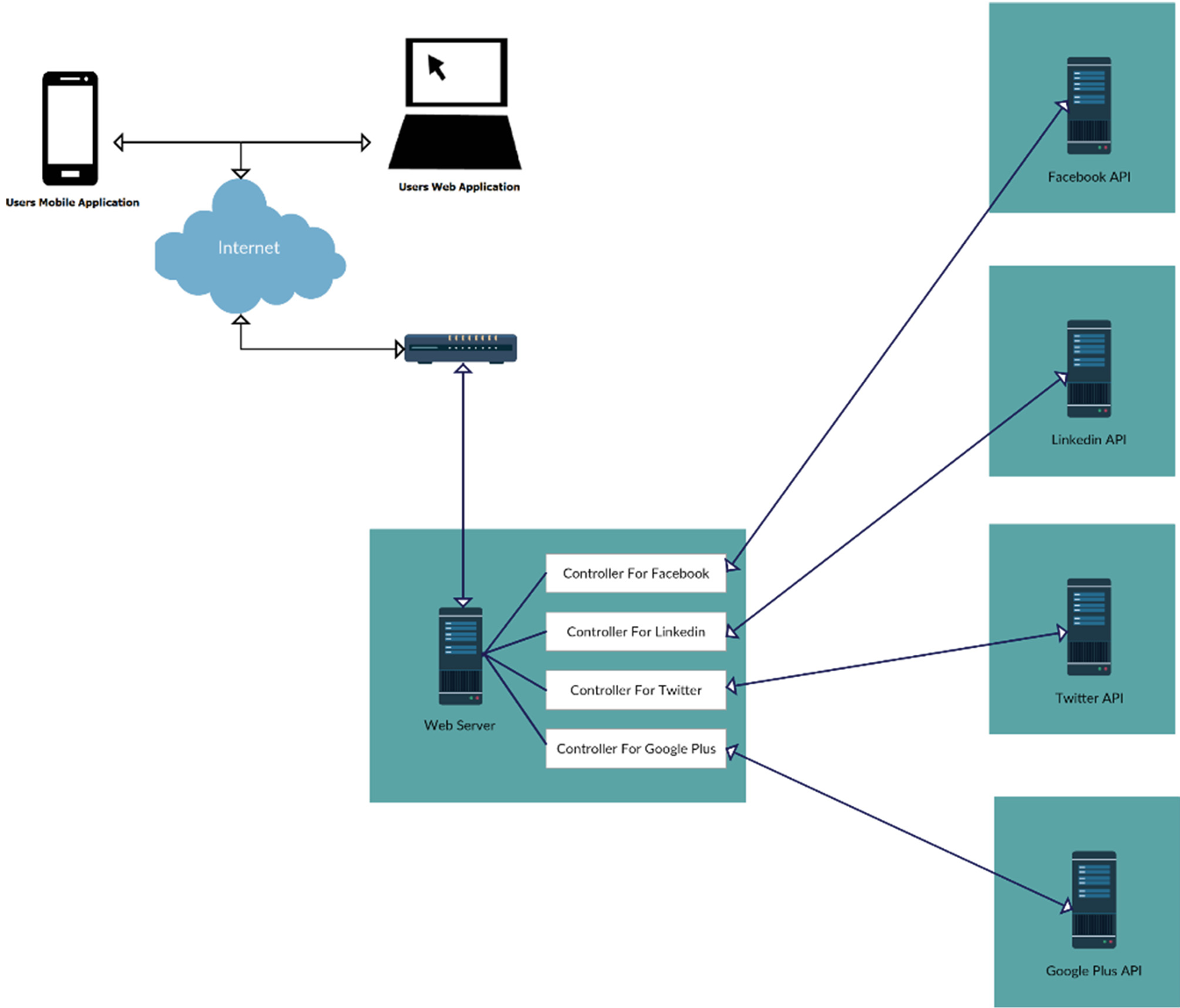
Core Components:
- Web Application: Focuses on "The Plan"—importing client databases, selecting templates, and scheduling bulk posts across Facebook, Twitter, and Instagram.
- Mobile Application (Android): Focuses on "The Pulse"—real-time alerts for comments and quick-response tools to maintain "Brand Warmth."
Experiments & Results: Validating the Inactivity Gap
The authors' methodology wasn't just technical; it was grounded in a field study of industrial SMEs.
| Social Media | Presence | Activity |
|---|---|---|
| 93% | 50% | |
| 60% | 44% | |
| 47% | 29% |
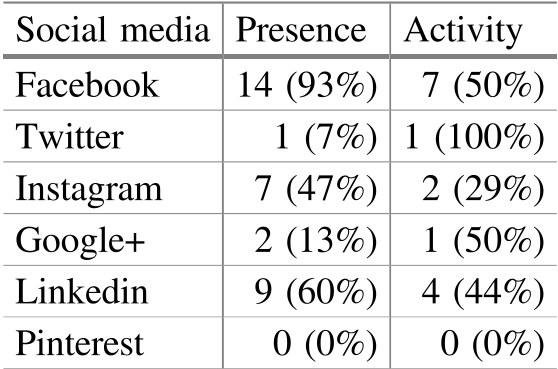
The table above highlights the Inactivity Gap. The SocialBAM prototype was tested against these specific pain points. The high-fidelity mockups were evaluated by end-users for learnability and satisfaction, ensuring that even a "non-marketer" could navigate the dashboard without a manual.
Critical Analysis & Conclusion
Takeaway
The success of SocialBAM isn't in technical complexity, but in contextual relevance. For an SME, a tool that does five things intuitively is infinitely more valuable than a tool that does fifty things with a steep learning curve.
Limitations & Future Work
The study is currently focused on the Portuguese industrial sector and the Android ecosystem. While the web application is complete, the mobile component—the "real-time pulse" of the system—is still in the final stages of development.
Future Outlook: The next logical step is the integration of Automated Analytics. SMEs don't just need to post; they need to know why a post worked. Integrating light-weight AI to suggest "Best Time to Post" based on historical SME data would be a game-changer for this specific cohort.