
Bridging the Digital Loneliness: Decoding Social Network Requirements for the Chinese Elderly
Communication and Social Network Requirements of Chinese Elderly People for Mobile Services
This paper investigates the communication and Social Network Service (SNS) requirements of the Chinese elderly for mobile services using a mixed-methods approach (interviews, observations, and SEM modeling). It identifies personal and family factors as primary drivers and proposes a synergistic design perspective for elderly-oriented mobile systems.
TL;DR
Moving beyond simple "big-button" phones and health monitors, this research delves into the psychological fabric of the Chinese elderly. By applying Structural Equation Modeling (SEM), the authors reveal that personal health and family proximity are the strongest predictors of mobile social needs. The core insight? Communication and social networking are not distinct silos but a unified requirement that demands "asymmetric" design to bridge the gap between retired parents and their busy children.
Moving Up Maslow’s Hierarchy
For decades, tech for the elderly was synonymous with "assistance"—emergency pendants, heart rate monitors, and smart home safety sensors. These address the base of Maslow’s hierarchy: physiological and safety needs.
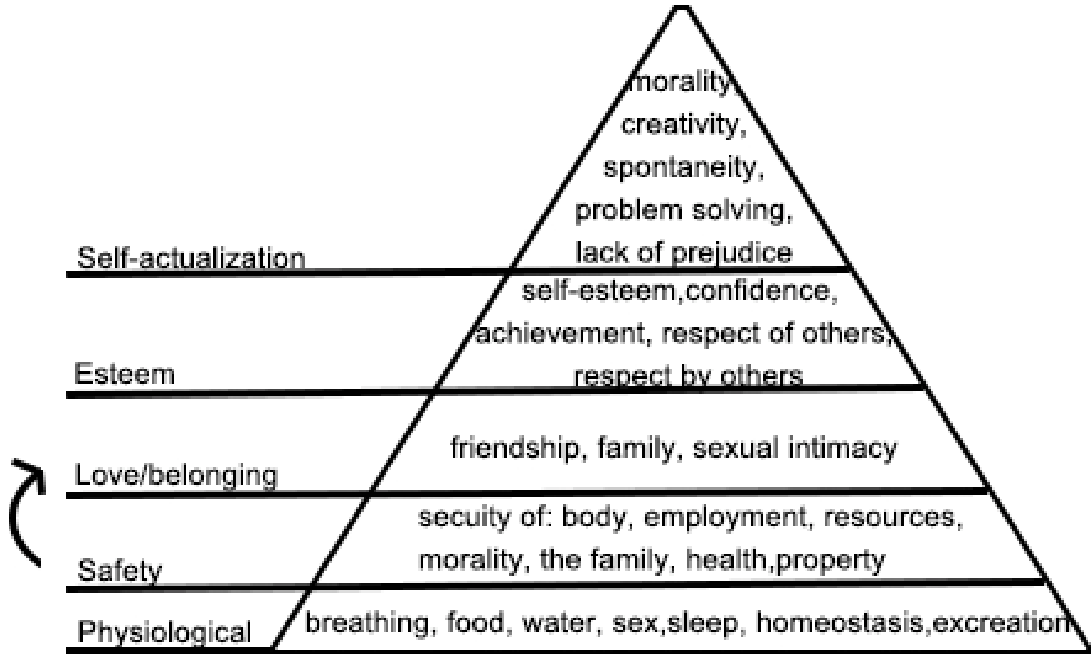
However, as the "Silver Tsunami" hits the digital age, the focus is shifting toward the third level: Belonging and Love. In China, this transition is particularly complex due to cultural nuances regarding family dynamics and the rapid urbanization that often physically separates generations.
The Problem: Requirement vs. Acceptance
Most prior research (like TAM or UTAUT) focuses on Technology Acceptance—why seniors find phones hard to use. This paper flips the script to look at Requirements—what do they actually want to do? The authors argue that even if a phone is easy to use, it fails if it doesn't serve the core desire to stay connected without "interrupting" the busy lives of their children.
Methodology: The SEM Approach
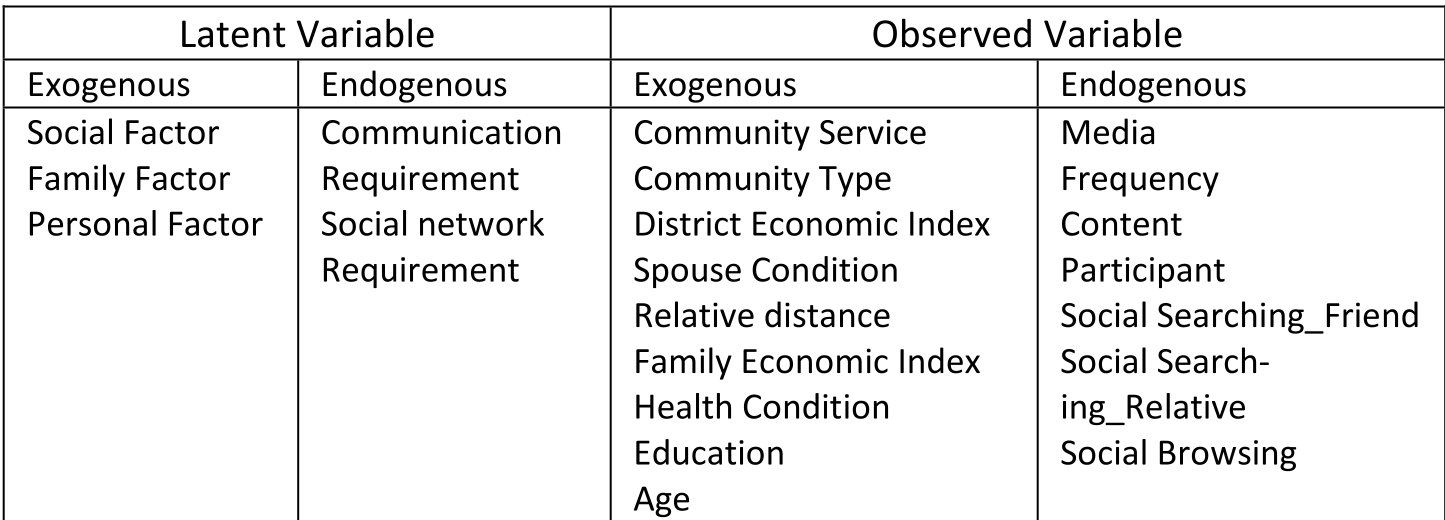
To quantify these invisible needs, the researchers gathered data from 117 participants in Beijing. They categorized influences into three latent variables:
- Personal Factors: Age, education, and health.
- Family Factors: Spouse status and distance from relatives.
- Social Factors: Community services and economic indices.
The SEM Latent Variable Map
The study used a Structural Equation Model (SEM) to visualize how these factors feed into Communication and SNS requirements.
Key Insights & Experimental Results
The data analysis yielded three groundbreaking observations for UX designers:
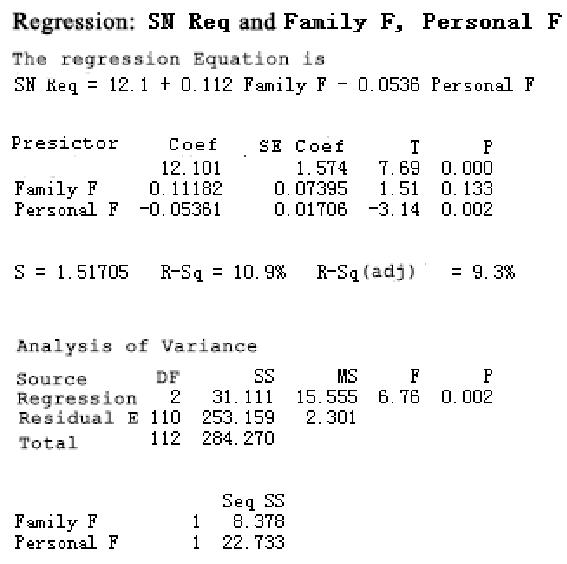
- The "Young-Old" Sweet Spot: There is a negative correlation between age and SNS requirement. The target demographic for social mobile services isn't the 80+ group, but the newly retired (65-75). They have the cognitive energy and the "rules fatigue" from their working lives, seeking freedom and connection.
- The Synergy Effect: Communication (one-to-one) and Social Networking (one-to-many) are highly correlated. Users don't see them as different apps; they see them as a single continuum of "staying in the loop."
- Family Asymmetry: Observation showed that seniors have a "strong desire to know" but a "low desire to interrupt." This suggests that passive social feeds (like seeing a child's photo) are more valuable than active calling, which creates social pressure.
Critical Analysis: What’s Missing?
While the study provides a robust statistical framework, it acknowledges a major hurdle: Quantifying the "Social Factor." The community and environmental influences didn't show high significance, likely because the metrics (District Economic Index, etc.) don't capture the "vibe" or "social capital" of a neighborhood accurately.
Furthermore, the "Child as the Gatekeeper" is a vital insight—children often buy the phones for their parents, meaning the buyer and the user have different requirements.
Conclusion: Designing for the Future
The takeaway for the industry is clear: stop designing for "disability" and start designing for "connection."
- Design for Asymmetry: Create tools that allow elders to "lurk" or browse family updates without requiring a high-effort response.
- Health as a Social Catalyst: Since health is a positive driver for social requirements, integrating "wellness sharing" can be a natural entry point for social interaction.
- Target the Transition: Focus on the retirement phase where the social vacuum is greatest.
As we move toward 2030, the most successful mobile services for the elderly won't be the ones that keep them safe, but the ones that keep them feeling relevant.