
Stabilizing the Scalpel: A Compact, Autoclavable System for Precision Neurosurgery
19012_A Compact and Autoclavable System for Acute Extracellular Neural Recording and Brain Pressure Monitoring for Humans.
The paper presents a compact, 16-channel neural recording system specifically designed for intra-operative brain mapping in humans. It features an autoclavable headstage, ultra-low-noise custom integrated circuits, and a unique closed-loop pressure control system to ensure recording stability against brain micromotions.
TL;DR
Neurosurgical oncology requires pinpoint accuracy to remove tumors while sparing functional tissue. This paper introduces a medical-grade, 16-channel neural recording system that is not only compact and autoclavable but also features an active pressure-control loop. By dynamically compensating for the brain's natural pulsations, the system maintains ultra-stable recordings of single-neuron activity, even in the middle of a complex surgery.
Background: The Moving Target
During the resection of low-grade gliomas, surgeons must distinguish between tumorous and functional brain tissue. Electrophysiological mapping—recording the firing of individual neurons—is the gold standard for this task. However, the human brain is not a static organ; it pulsates with every heartbeat and breath. These micromotions (often up to 2mm) create a "moving target" for microelectrodes, leading to signal instability, potential tissue damage, or local ischemia if too much pressure is applied.
The Challenge: Clinical Rigor vs. Electronic Fragility
Most high-end neural recording systems are confined to research labs because they cannot survive the harsh environment of an operating room (OR).
- Sterilization: Electronics typically fail under the high heat and humidity of an autoclave.
- Size: Large racks of equipment clutter the surgical field.
- Stability: Manual electrode placement cannot react fast enough to brain pulsations.
Methodology: Engineering for the OR
1. The Autoclavable Headstage
The system's "business end" is a 100g headstage. By utilizing aluminum and titanium for the frame and specialized piezo/servo motors, the team ensured the device could withstand standard autoclave cycles (121°C at 100% humidity). This eliminates the need for long gas sterilization procedures and allows for quick turnaround between surgeries.
2. Closed-Loop Pressure Control
The most innovative feature is the integration of a strain-gauge pressure sensor. The system uses an FPGA-based PID (Proportional-Integral-Derivative) controller to monitor the pressure exerted on the brain. When a pulsation is detected, the servo motor moves the entire headstage to follow the brain surface, keeping the pressure constant and the electrodes within the target volume (approx. 140µm).
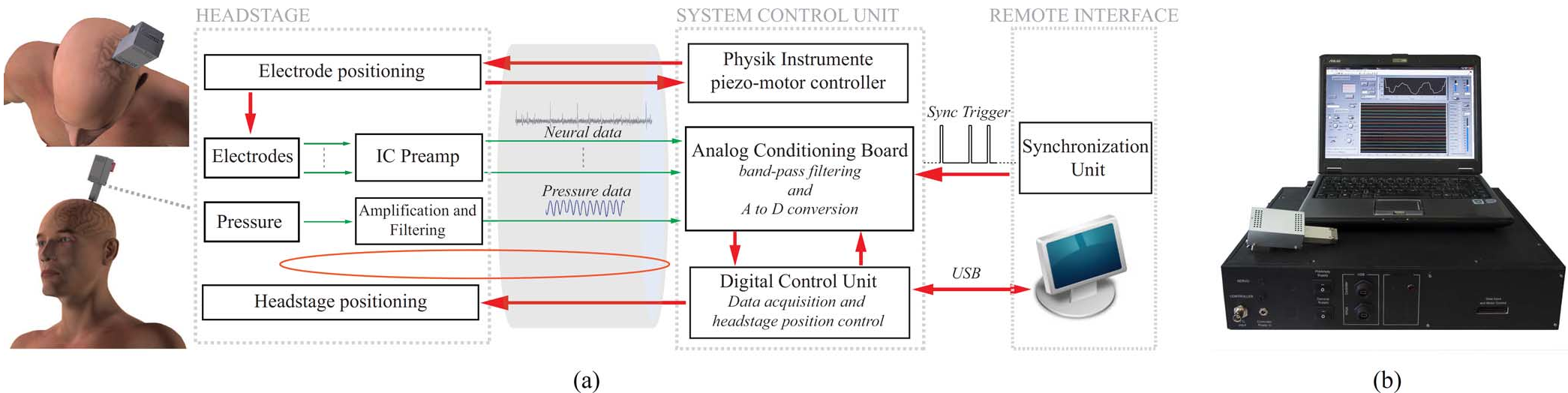 Figure 1: The modular architecture showing the Headstage, System Control Unit (SCU), and Remote UI.
3. Custom Low-Noise ASIC
To minimize noise from long cables, the amplification happens right at the source. The headstage contains two custom 8-channel integrated circuits (ICs) with an input-referred noise of just 5µVrms. This is critical for distinguishing weak neuronal spikes from background electrical "clutter."
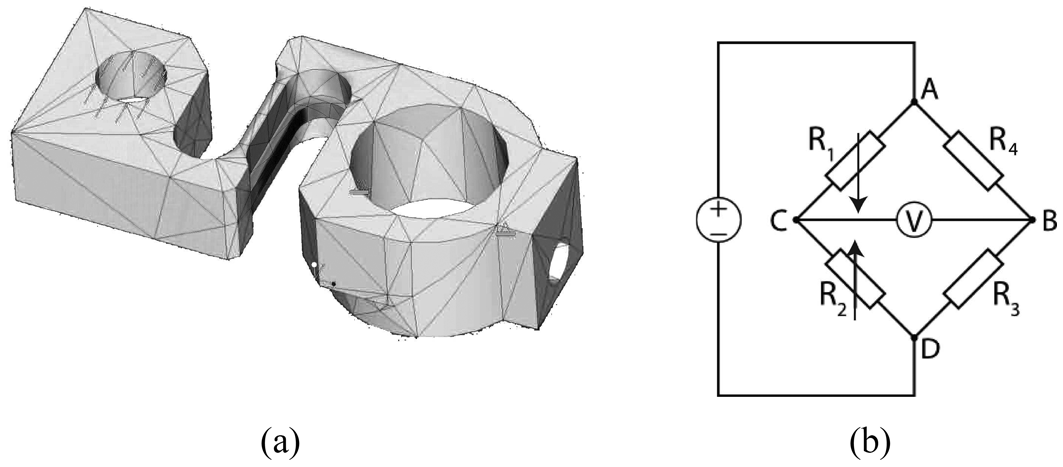 Figure 2: The three-stage integrated amplifier designed for high-pass filtering and low-noise gain.
Experimental Validation
The system was tested on anesthetized rats and bench-top models.
- Signal Quality: The recorded traces (Spikes/MUA) were virtually indistinguishable from the industry-standard Plexon MAP system.
- Mechanical Performance: Using a silicone brain phantom and a shaker to simulate pulsations up to 4Hz (faster than a human heart rate), the closed-loop system reduced mechanical compression from 500µm to less than 100µm.
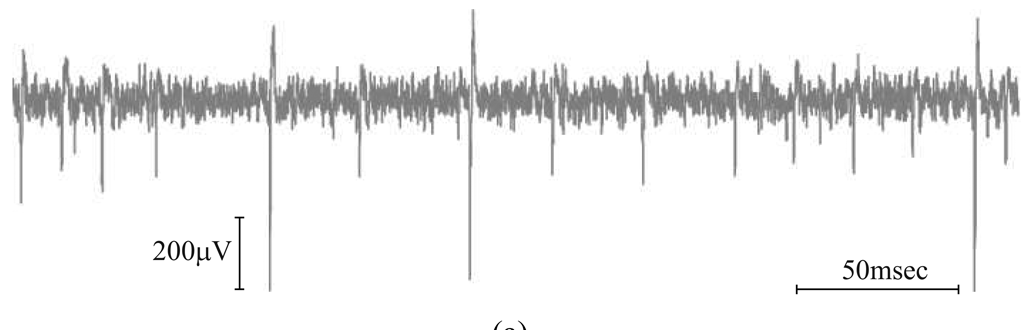 Figure 3: Neural signals recorded in vivo, demonstrating high Signal-to-Noise Ratio (SNR) for single-unit discrimination.
Critical Insight: Why This Matters
The genius of this system isn't just in the low-noise electronics—those have existed in labs for years. The breakthrough is the mechanical intelligence. By treating the brain-device interface as a dynamic, closed-loop system, the authors solved the "pulsation problem" that has long plagued acute human recordings.
The fact that the entire headstage can be tossed into a standard hospital autoclave without degrading the 5µV noise floor is a massive win for clinical translation.
Conclusion and Future Outlook
This system represents a significant step toward "plug-and-play" neural recording in the surgical suite. While still focused on acute (temporary) intra-operative mapping, its pressure-sensing logic could eventually lead to safer chronic implants that can sense and alleviate mechanical stress on brain tissue.
Limitations: Currently, the system supports 16 channels; scaling to hundreds of channels (as seen in modern research probes like Neuropixels) would require significantly more data bandwidth and power management within the autoclavable constraints.