
Specialized Forums vs. Facebook: Where Do Smokers Go to Quit?
A Comparative Study of Smoking Cessation Intervention Programs on Social Media
This study presents a comparative analysis of two social media intervention channels—a dedicated web forum and a Facebook page—for the QuitNet smoking cessation program. Using Social Network Analysis (SNA) and non-parametric statistics, the researchers evaluate how user engagement and "quit status" (duration of abstinence) differ across professional versus general social platforms.
TL;DR
Not all social media platforms contribute to health interventions in the same way. This study reveals that professional forums (QuitNet) serve as critical hubs for high-intensity support for "new quitters," while Facebook acts as a low-friction environment that keeps users engaged throughout the long-term maintenance phase of smoking cessation.
The Digital Divide in Health Interventions
For decades, quitting smoking was a journey shared with a doctor or a local support group. Today, that journey has moved online. However, the architecture of the platform matters. Does a specialized forum, which requires a dedicated login and clear intent, provide a different social support structure than a Facebook page, which the user sees while scrolling through their daily social feed?
The authors argue that the "Quit Status"—the number of days a user has successfully abstained—is the key variable that dictates where a user participates and how they interact with their peers.
Methodology: Mapping Social Connections
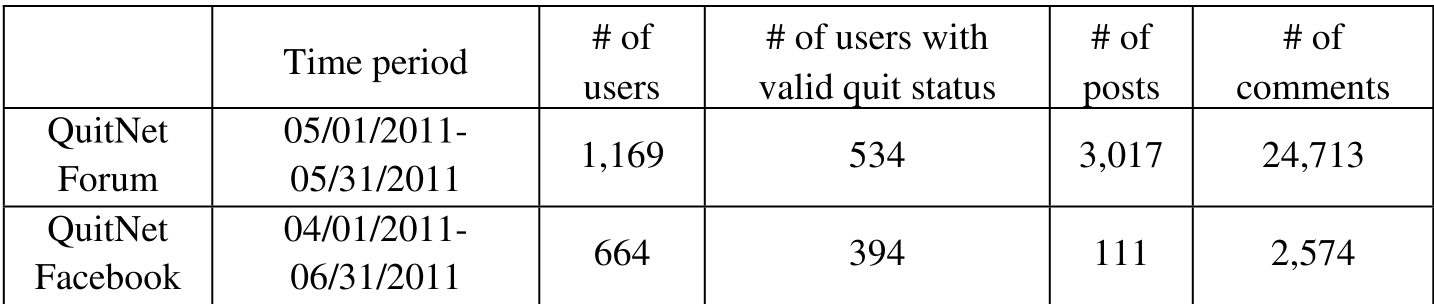
The researchers analyzed data from QuitNet, one of the most influential cessation programs globally. They compared two distinct channels:
- The Quitstop (Forum): A specialized, high-effort environment.
- QuitNet Facebook: A general-purpose, low-friction environment.
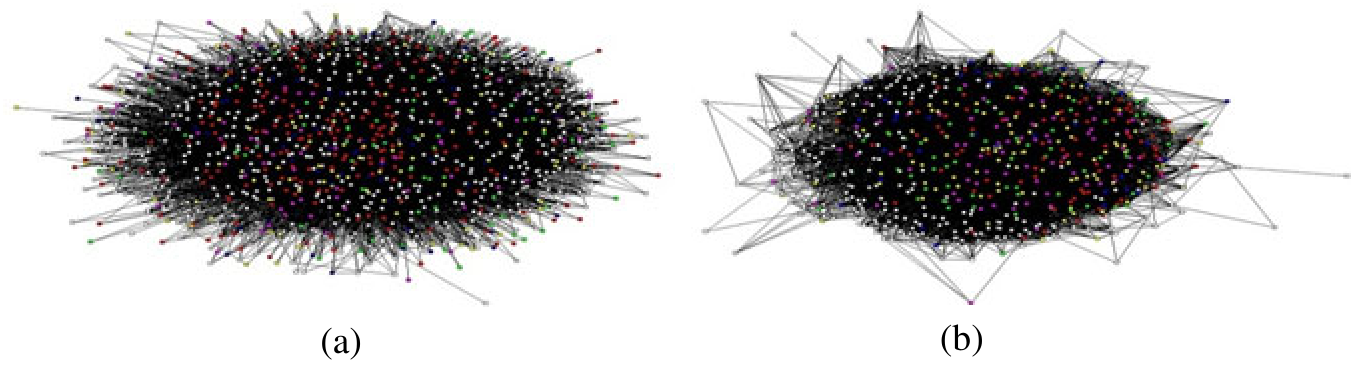
By building interaction graphs (where two users are "connected" if they comment on the same post), the authors applied Social Network Analysis (SNA) to visualize the community DNA.
Key Insights: Profile of the "Quitter"
1. The Intentional vs. The Passive
The Forum attracted a much higher percentage of early-stage quitters (0-90 days). These users have high "urgent needs" for professional advice and medical support. Conversely, Facebook users were more equally distributed. Because Facebook delivers content "passively" to a user's wall, it retains people who have already quit for over a year—users who wouldn't bother logging into a dedicated forum but will still engage with a post that appears in their newsfeed.
2. Network Density and Centralization
The Forum was decentralized. In SNA terms, it means everyone talks to everyone; it’s a community of peers with a common, intense goal. Facebook was centralized. There is a much higher variance in "Degree Centrality," meaning a small "core" group of users drives most of the conversation.
The "Maintenance Stage" Sweet Spot
One of the study's most fascinating findings is the Core/Periphery Structure. In the Facebook network, the most active "core" users weren't the brand-new quitters, nor the people who quit five years ago. They were the people in the 181-720 days (6 months to 2 years) window.
This represents the "early maintenance stage." These users have mastered the initial struggle but aren't totally "cured" yet. They occupy a unique social role: seeking emotional validation from long-term quitters while naturally mentoring the newcomers.

Conclusion and Practical Impact
The study suggests a "bimodal" strategy for digital health programs:
- Forums should be optimized for Action: Provide high-quality clinical tools and expert-led Q&A for those in the first 90 days.
- Social Media (Facebook) should be optimized for Retention: Use low-friction engagement to keep maintenance-stage users in the loop, as they serve as the "social glue" for the entire community.
As health interventions move further into the era of AI and algorithmic feeds, understanding these human interaction patterns is vital for designing platforms that don't just "inform," but actually "intervene."