
DreamTV: Turning "Binge-Watching" into Global Crowdsourcing
A Comparative Study of Younger and Older Adults’ Interaction with a Crowdsourcing Android TV App for Detecting Errors in TEDx Video Subtitles
This comparative study evaluates "DreamTV," an Android TV application designed for crowdsourcing subtitle error detection in TEDx videos. By comparing younger (28-33) and older adults (60-79), the research identifies distinct interaction patterns and motivations for TV-mediated microtasking.
TL;DR
Is it possible to improve the accessibility of the web while simply watching TV? This study introduces DreamTV, an Android TV app that allows users to flag subtitle errors in TEDx videos. The research reveals a fascinating generational divide: while younger users approach the task with a "professional editor" mindset, seniors view it as a valuable opportunity for lifelong learning and cognitive exercise.
Background: The Subtitle Quality Crisis
As global video content explodes, the demand for accurate subtitles—crucial for the deaf and hard-of-hearing—outpaces professional supply. While volunteer-led platforms (like TED's Amara) exist, the process is often a "grind." Furthermore, two massive demographics are underutilized:
- Older Adults: Often excluded by complex PC interfaces but possessing high linguistic experience.
- Younger Adults: High-frequency viewers who are open to microtasking but easily bored by traditional tools.
Methodology: Designing for the Living Room
The researchers built a system tailored for the Smart TV ecosystem, leveraging the "Living Lab" approach (testing in actual homes). Participants used a standard remote to pause videos and categorize errors into four intuitive buckets: Grammar, Meaning, Style, and Timing.
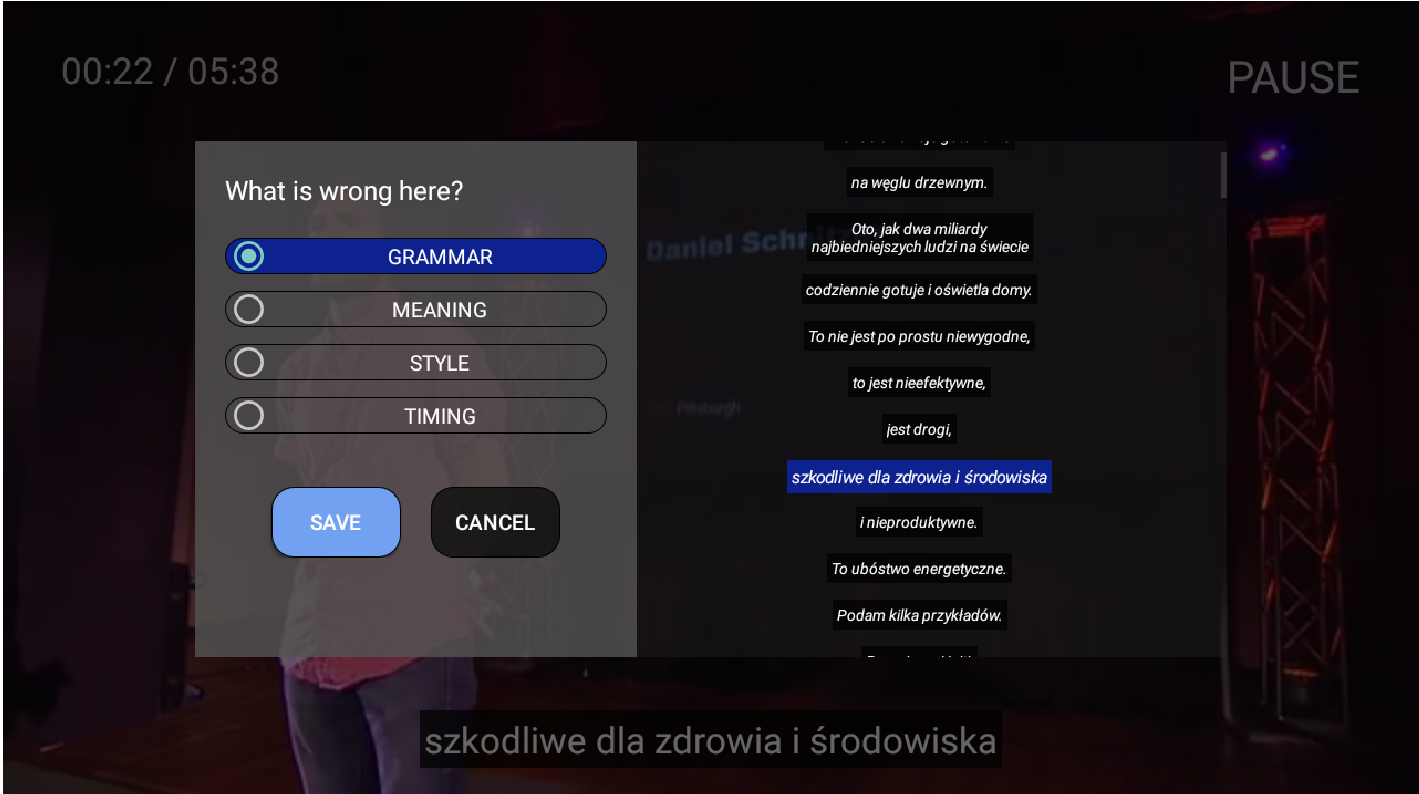 Figure 1: The DreamTV interface allows users to flag errors via a simple remote-controlled overlay.
Key Insights: Work vs. Edutainment
The study’s most compelling finding is the difference in Mental Models between the two groups:
1. The Younger Perspective: The "Gig" Economy
Younger adults (ages 28-33) treated the app as a job. They were highly efficient, catching subtle punctuation and synchronization errors that older adults ignored. However, they found the task "mentally demanding" and expressed that they would only continue if paid or rewarded with subscriptions.
2. The Older Perspective: Cognitive Vitality
Older adults (ages 60-79) were far more lenient. They focused on the meaning of the talk. When they flagged an error, it was often because they didn't understand a concept (e.g., "What is a photon?"). For them, the reward wasn't money; it was the access to high-quality educational content and the chance to keep their minds sharp.
Quantitative & Qualitative Comparison
| Feature | Younger Adults | Older Adults |
|---|---|---|
| Primary Focus | Error detection (Technical) | Content comprehension (Meaning) |
| Motivation | Payment / Statistics / Rewards | Learning / Altruism / Cognitive health |
| UX Challenge | "Fuzzy" categories; found it tiring | Slower navigation; "late" pause reflexes |
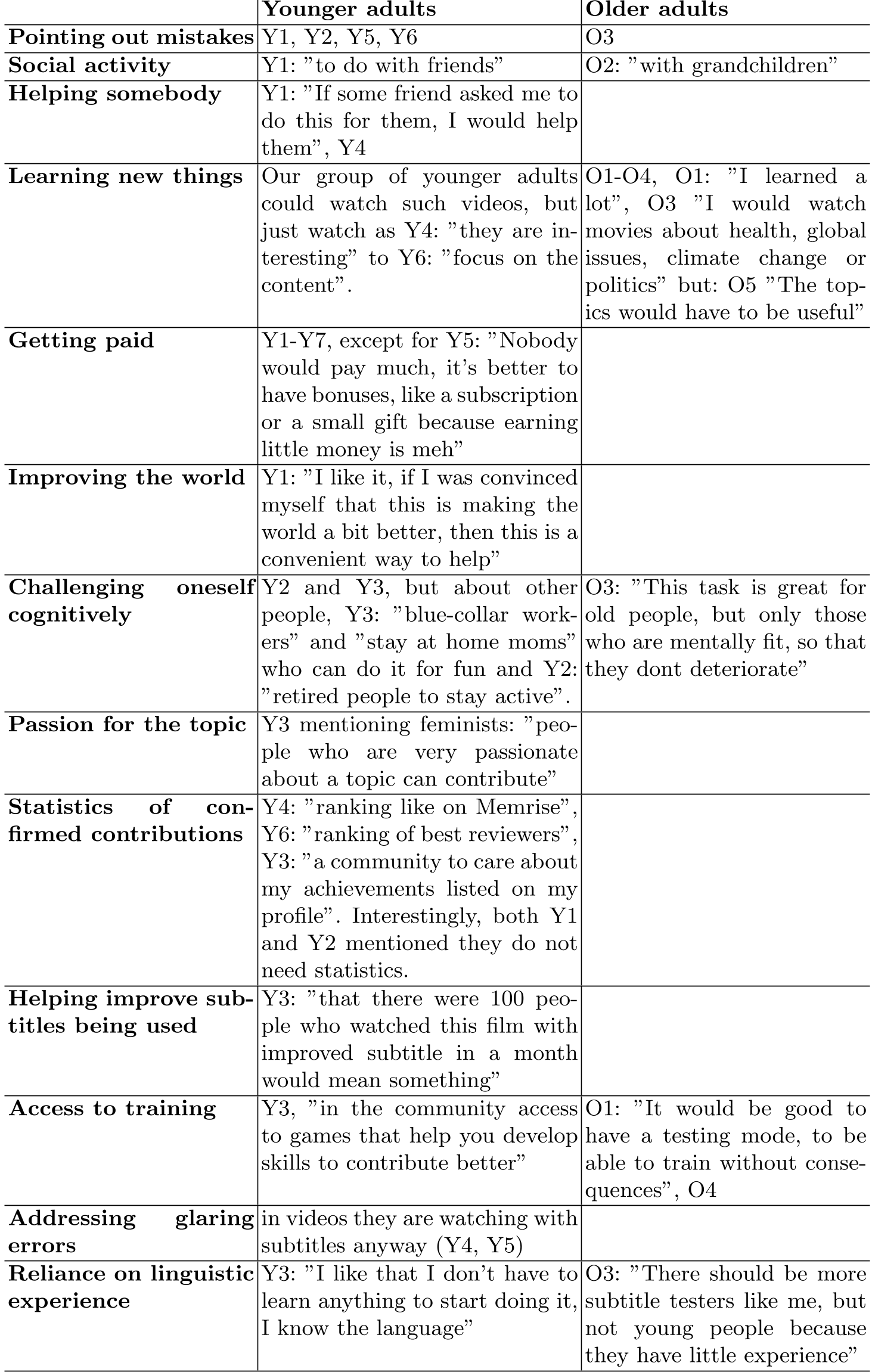 Table 1: Divergent motivations for participating in TV-based crowdsourcing.
Deep Insight: Reflexes and UI Design
A critical technical finding was the "Response Latency": almost all participants (both young and old) paused the video one subtitle too late. This suggests that any TV-based crowdsourcing tool must provide a dialog list or "rewind-to-mark" feature, as the physiological delay in processing an error and pressing a remote button is a universal constraint.
Conclusion: The Future of "Active" Viewing
The study proves that TV-mediated crowdsourcing is not only possible but highly accessible.
- For Seniors: It creates a "No-Grind" environment that combats social isolation and cognitive decline.
- For Developers: To retain younger users, these features should be "hidden" within existing players (like YouTube or Netflix) to allow for "nitpicking" on the fly without it feeling like a dedicated chore.
Takeaway: The next time you see a typo on your favorite streaming service, the solution might not be a professional editor, but a retiree in their living room looking for a meaningful way to stay engaged.