
Why We Share Health Tips on Facebook: It’s More About Friends Than Fitness
Computers and Electrical Engineering
This study investigates the motivations behind health-related information sharing and acquisition on Social Networking Sites (SNSs) like Facebook. By integrating the Theory of Planned Behavior (TPB) with performance expectations, the research confirms that attitude and subjective norms significantly drive behavioral intentions, which in turn facilitate information activities that enhance user socializing.
TL;DR
Is Facebook a digital clinic or a virtual coffee shop? This study applies the Theory of Planned Behavior (TPB) to 203 active users to find out. The results are striking: while our attitudes and social circles drive us to share health info, we do it to stay connected (socialize), not necessarily because we feel it's making us healthier.
Contextual Positioning
In the landscape of Medical Informatics, this paper moves beyond simply "tracking" usage. It attempts to map the psychological "Why" behind the "What." While most SOTA (State Of The Art) research focuses on the accuracy of health data, this study focuses on the human experience—positioning itself at the intersection of psychology and information systems.
The "Why": Motivation and Pain Points
Previous research successfully identified that millions use the internet for health, but it often missed the nuance of social networks. The authors noticed a gap: we know folks share content, but we don't know if they do it because they want to get healthy or because they want to belong.
The core insight? Our behavior on SNSs is a voluntary action governed by social pressure and personal attitude.
Methodology: The TPB Framework
The researchers used Structural Equation Modeling (SEM) to analyze how "Attitude" and "Subjective Norms" (social peer pressure) predict "Behavioral Intention."
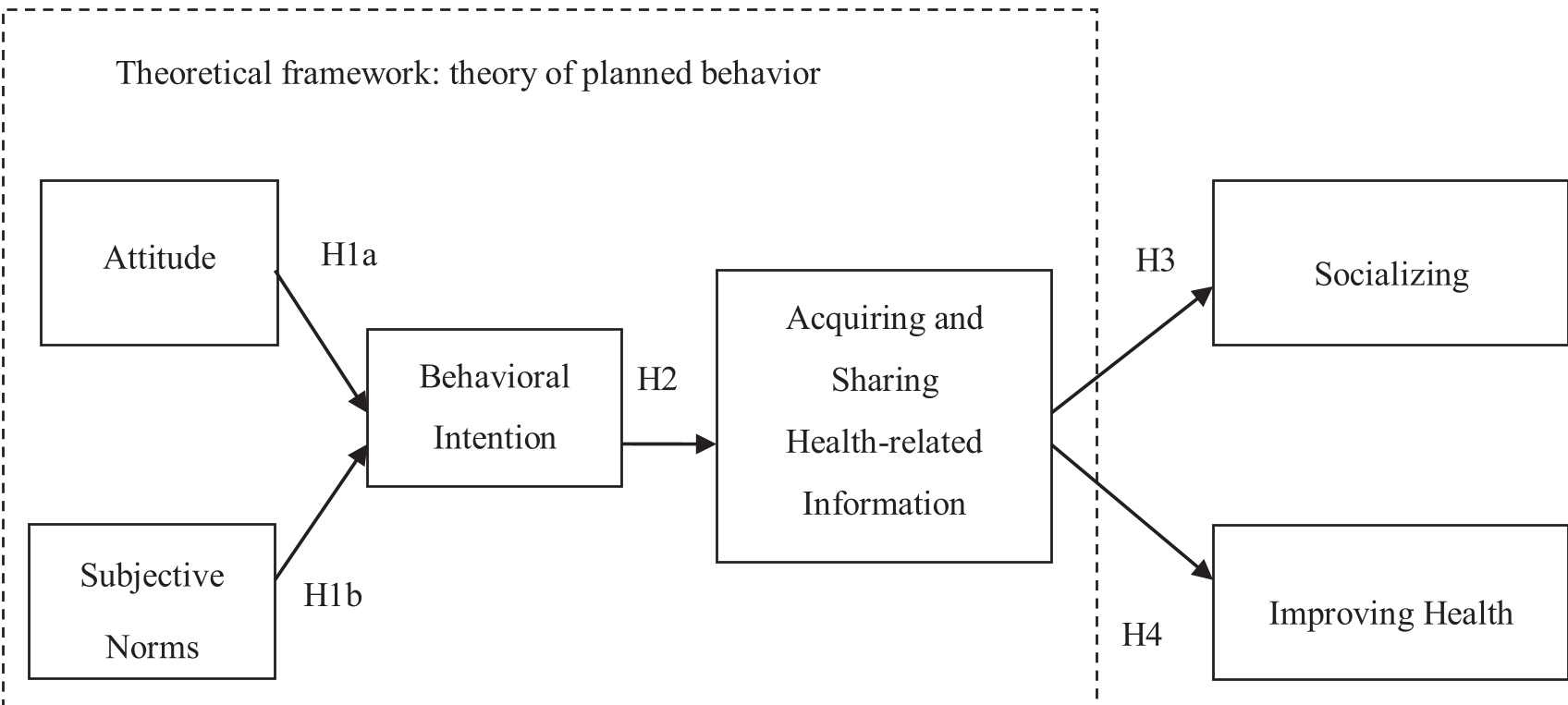 Figure 1: The analytical framework based on the Theory of Planned Behavior.
What makes this unique is the extension of the model to include Performance Expectations:
- Socializing: Satisfying interpersonal needs.
- Health Self-Improvement: Managing one's actual health condition.
Experiments and Results
By analyzing 203 valid questionnaires via Smart PLS, the study confirmed several key hypotheses:
- The Power of Norms: Subjective norms (what your friends think) had a stronger impact (β = 0.406) on intention than personal attitude (β = 0.287).
- Socializing wins: Sharing health info was strongly linked to social activity.
- The Reality Check (Health Impact): The path to "Improving Health" was statistically insignificant.
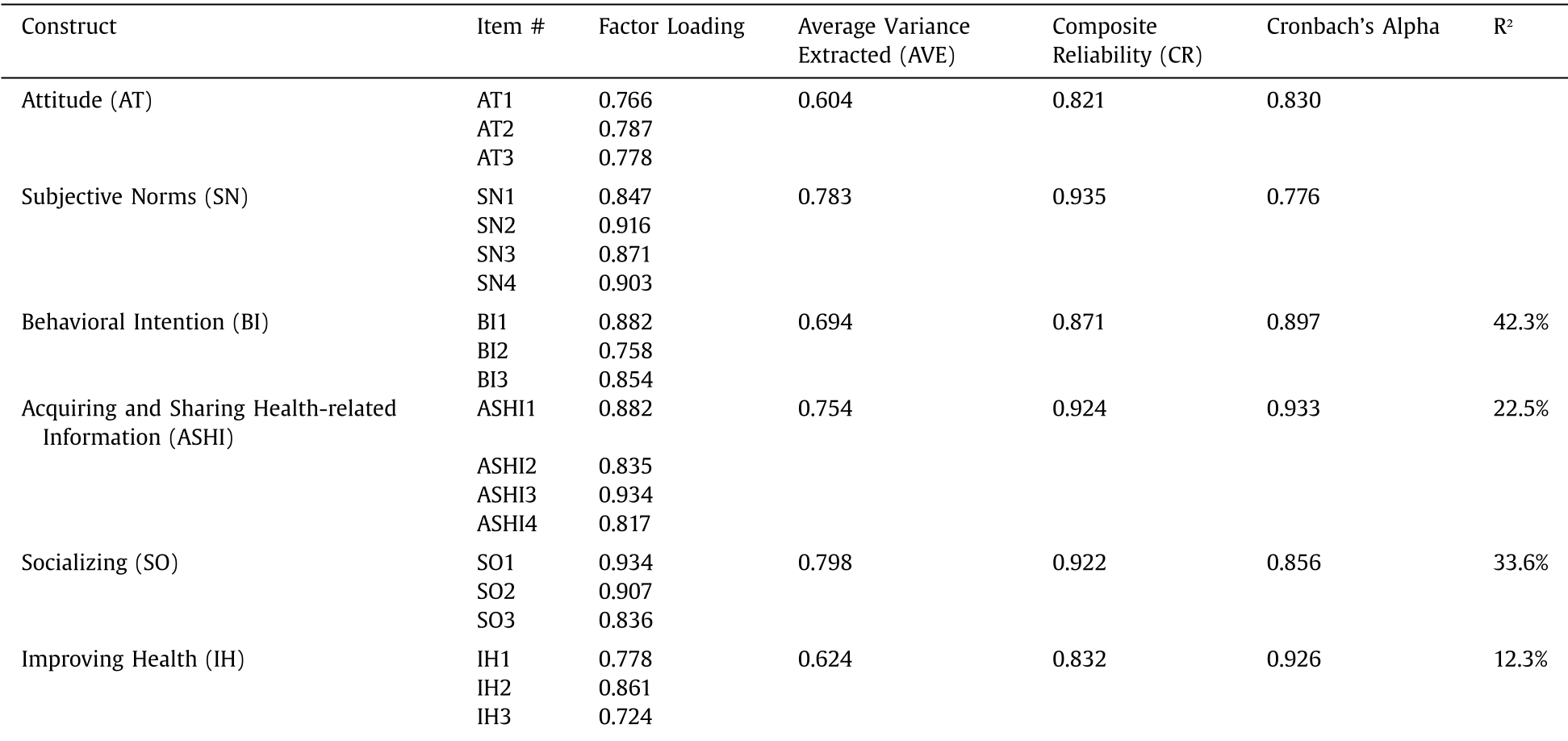 Table 1: Reliability Analysis showing strong Cronbach's Alpha and Composite Reliability across all constructs.
Critical Analysis & Deep Insights
The most profound takeaway is the failure of the Health Self-Improvement link. Why? The authors suggest that because SNSs are "open venues," they are often flooded with unreliable or dangerous information. Users likely use these tips to spark conversations but are skeptical of using them for actual self-treatment.
Future Implications
- For Designers: Don't just build a database of health facts. Build community tools and rewards (gamification) that encourage users to invite friends.
- For Healthcare Providers: To leverage social media, you must first be perceived as trustworthy. If the information doesn't feel credible, users will use it for "small talk" but never for "healthcare."
Conclusion
This study serves as a reminder that "Social" comes before "Networking" in SNS. If we want to use Facebook or similar platforms to improve public health, we must stop treating them as passive billboards and start treating them as active social ecosystems where the peer group is the primary driver of engagement.