
Confucius Computer: Reimagining Ancient Wisdom through Illogical Computing
Confucius Computer: bridging intergenerational communication through illogical and cultural computing
The paper introduces "Confucius Computer," a novel cultural computing framework that utilizes "illogical" computing based on Eastern paradigms of harmony and balance. It features three core modules—Confucius Chat, Music-painting, and Food—designed to bridge the intergenerational gap by making ancient Confucian philosophy accessible through modern digital media.
TL;DR
The Confucius Computer project is a pioneering effort in "Cultural Computing" that seeks to revive 2,500-year-old Eastern philosophies for the digital age. By moving away from traditional "Greek logic" (strict linear causality) toward a model of "Harmony and Balance," researchers have built a suite of tools—including an AI chat agent, a music filter, and a recipe game—that help the younger generation connect with the wisdom of their elders in a medium they actually use.
Background: The Gap Between Analects and Apps
Despite the enduring relevance of Confucianism in Asian societies, there is a growing "psychological proximity" gap. Young people find printed texts boring and passive, while elders feel their values are disappearing in the noise of social media. The "Confucius Computer" aims to be the bridge, transforming the Analects into Bit Literature—dynamic, bite-sized interactions that live within MSN (now contemporary platforms) and interactive games.
Deep Motivation: Beyond Logic
Most AI systems (like ELIZA or ALICE) are built on Western logical structures. The authors argue that cultural heritage requires an "Illogical Computing" approach. This doesn't mean "random," but rather a system that follows Eastern paradigms like Yin-Yang and the Five Elements to provide non-linear, thought-provoking replies that encourage deep reflection rather than simple data retrieval.
Methodology: The Virtual Confucius Thought Engine
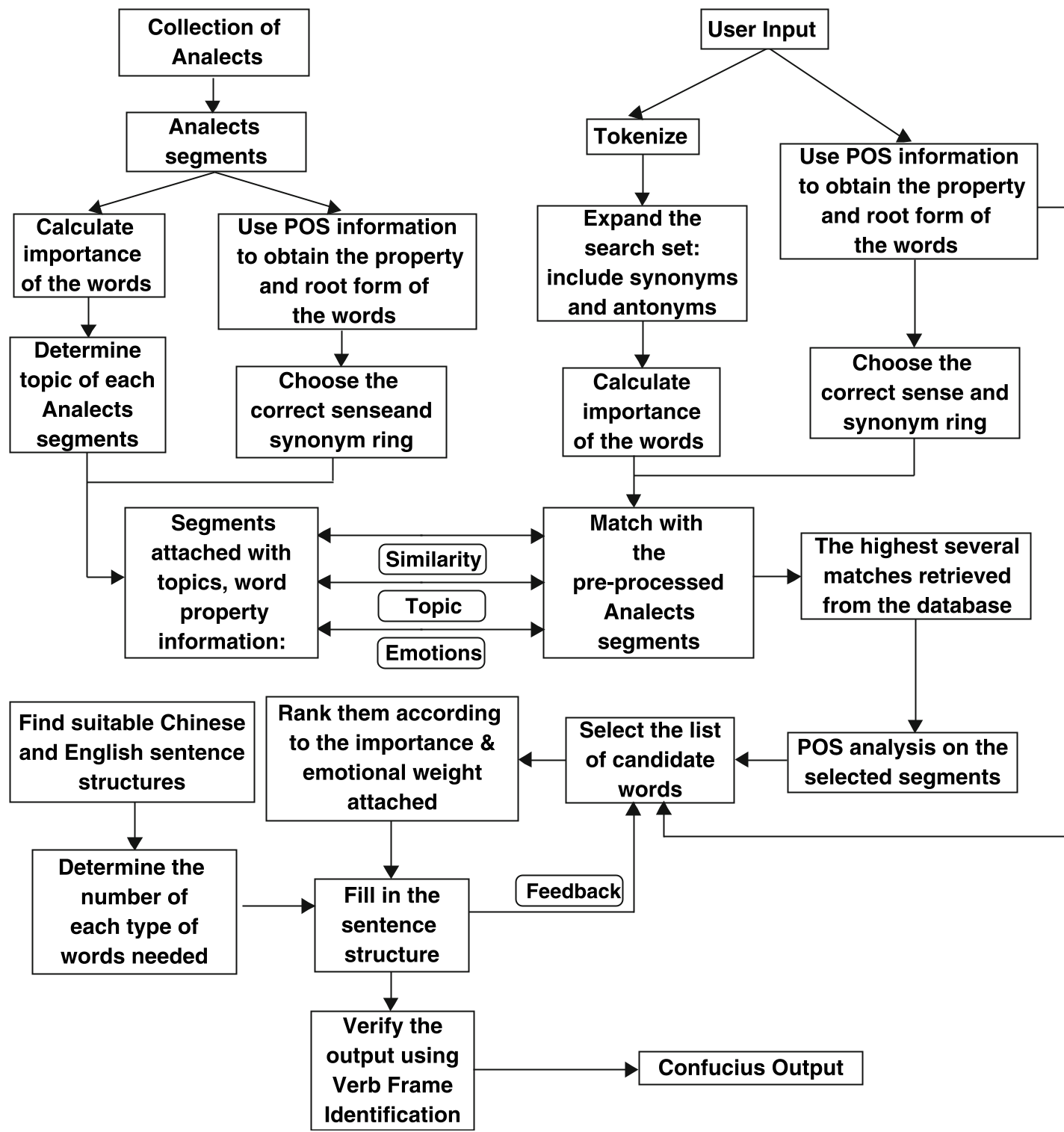
The heart of the system is a three-pronged architecture:
1. Confucius Chat & NLP Engine
Instead of simple pattern matching, the system identifies:
- Yu (Domain Knowledge): Using vector space projections to map user queries to specific sub-domains of the Analects.
- Hui (User Aptitude): A historical conversation tracker that adjusts the complexity of the response based on the user's perceived "wisdom" or interest level.
2. Music-Painting Interaction
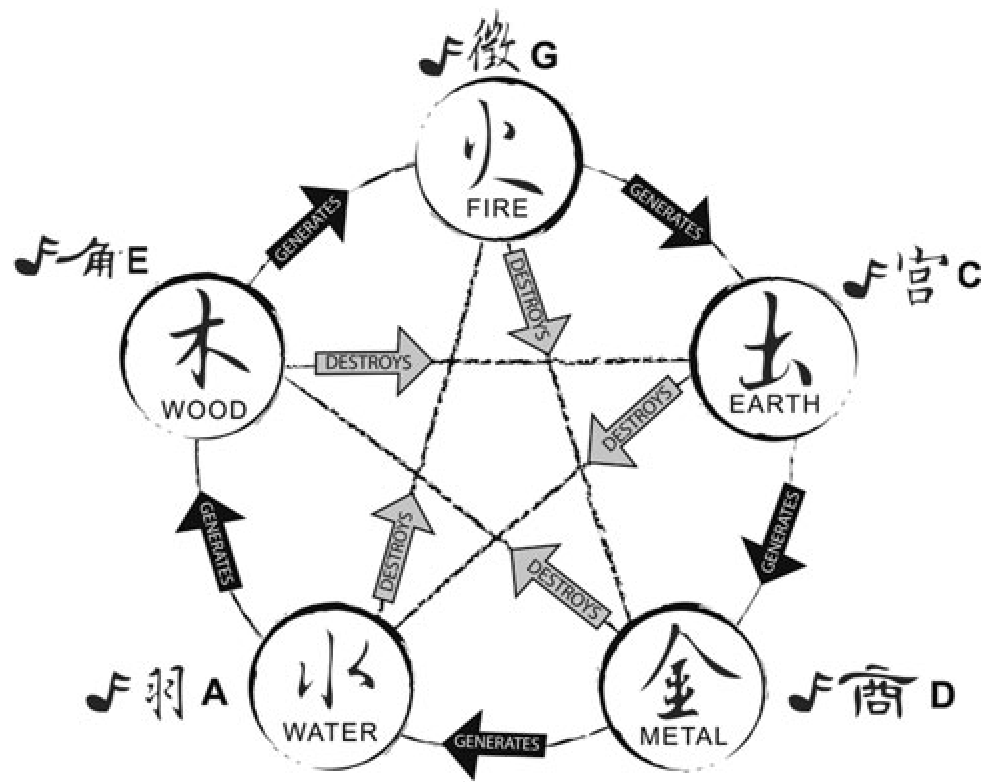
The system uses a Pentatonic Filter and a Bezier Filter to transform dissonant pop music into "positive" music. This is based on the idea that music should build moral character. The notes are then mapped to the "Five Elements" (Metal, Wood, Water, Fire, Earth) to generate a dynamic Chinese landscape painting based on a Cycles of Balance Truth Table.
Experiments and Results: Calmness as a Metric
The evaluation focused on user experience across generations:
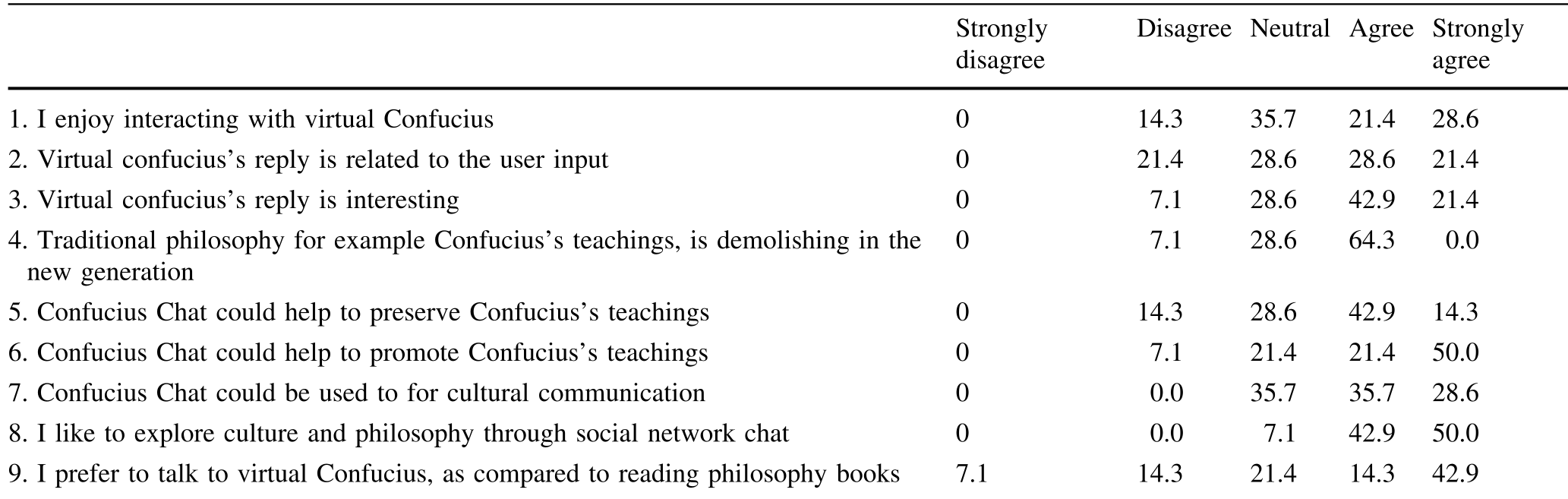
- Cultural Perception: 100% of parents and 83.3% of children agreed the system improved intergenerational interaction.
- Aural Experience: The music filters significantly increased "Chinese-like" perception and induced a state of "calmness" (improving calm ratings compared to original tracks).
- Chat Engagement: Users found the non-linear "Bit Literature" responses more "funny" and engaging than traditional educational tools.
Critical Analysis & Conclusion
The Confucius Computer represents a significant shift from "Information Processing" to "Meaning Construction."
Strengths
- Holistic Approach: It treats culture not just as data (text) but as practice (food/music).
- Inductive Bias: By embedding the Cycles of Balance directly into the algorithm, it ensures the "AI" behaves in a culturally authentic way.
Limitations
- NLP Constraints: The study noted that extremely short user inputs (2-3 words) often failed to trigger meaningful topic detection.
- Complexity: Parents were slightly concerned that the deep philosophy might still be too dense for very young children without manual guidance.
The Future of Cultural Computing
This work sets the stage for "Global Cultural Computing," where the same logic could be applied to Greek, Arabic, or African heritage, using technology not just to store the past, but to make it a living, breathing part of our digital future.