
Multimodal Synergy: Optimizing Radiological Search in Collaborative Social Networks
Content Modelling in Radiological Social Network Collaboration
The paper introduces a multimodal representation model for radiological reports in collaborative social networks, combining textual and visual descriptors using a "Bag-of-Words" (BoW) approach. By integrating TF-IDF weighted vectors for both text (filtered via UMLS) and images (SIFT/Meanstd), the system achieves State-of-the-Art (SOTA) retrieval performance on the ImageCLEFMed’ 2015 dataset through late fusion.
TL;DR
This research tackles the challenge of retrieving complex medical information from radiological social networks. By treating both medical images and text as a unified "Bag-of-Words," the authors proposed a late-fusion model that significantly outperforms single-modality searches, boosting Mean Average Precision (MAP) by nearly 18% on the ImageCLEFMed benchmark.
Context & Motivation: The Clinical Data Explosion
Radiological social networks (e.g., MedPics, PatientsLikeMe) have become goldmines for collaborative diagnosis. However, finding specific cases is difficult because:
- Text Is Sparse: Surgeon or radiologist comments are often brief.
- Images are Silent: High-resolution scans lack searchable metadata.
- Domain Complexity: Standard search engines don't understand clinical terminology like the UMLS (Unified Medical Language System).
The authors' insight was to create a symmetrical representation where images are "read" as visual words, just as text is read as linguistic words, allowing for a combined mathematical score.
Methodology: The "Bag-of-Words" Symmetrization
The core of the paper lies in its unified pipeline for processing disparate data types.
1. Textual Modality
Text is transformed into a weight vector using TF-IDF. The innovation here is the cleaning phase using the UMLS thesaurus, which ensures that medical synonyms are normalized, reducing noise from informal social network language.
2. Visual Modality
The model uses two distinct strategies for "Visual Words":
- Meanstd: Specifically focuses on color distribution (Mean and Standard Deviation) by dividing images into thumbnails.
- SIFT + MSER: Detects "points of interest" and describes them with a 128-dimensional vector, which is more robust to scaling and rotation.
3. Late Fusion Support
Instead of merging data at the start, the system calculates independent scores and combines them: This allows the system to tune the importance of the image vs. the text.
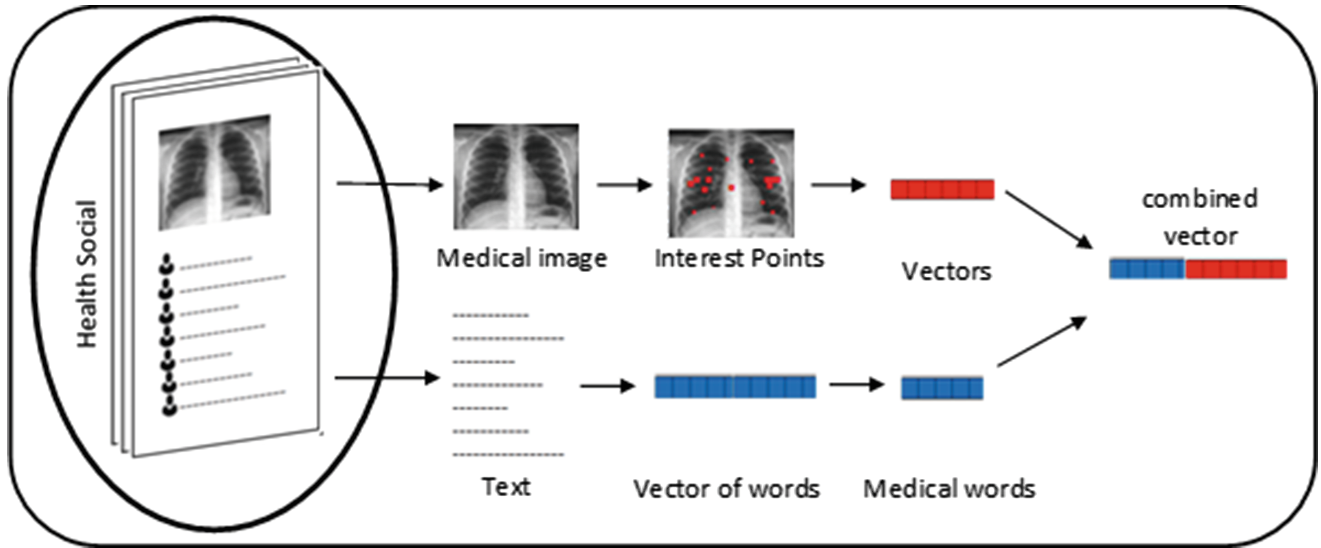 Figure 1: The proposed multimodal indexing and retrieval workflow.
Experimental Insights
The model was validated on the ImageCLEFMed’ 2015 collection (45,000+ PubMed Central articles).
| Modality | MAP (Mean Average Precision) |
|---|---|
| Visual (SIFT) | 0.1287 |
| Text Only | 0.2346 |
| Fusion (Text + SIFT) | 0.2762 |
Key Findings:
- The Fusion Advantage: Adding visual SIFT data to text results in the highest precision, proving that images provide "residual information" that words alone miss.
- SIFT vs. Meanstd: SIFT is more effective for medical images because radiological scans rely more on structural features (shapes, textures) than on color (which Meanstd prioritizes).
- The Clustering Hurdle: The authors noted that k-means clustering struggles with huge datasets (54 million thumbnails for SIFT), suggesting a future need for more uniform quantization methods.
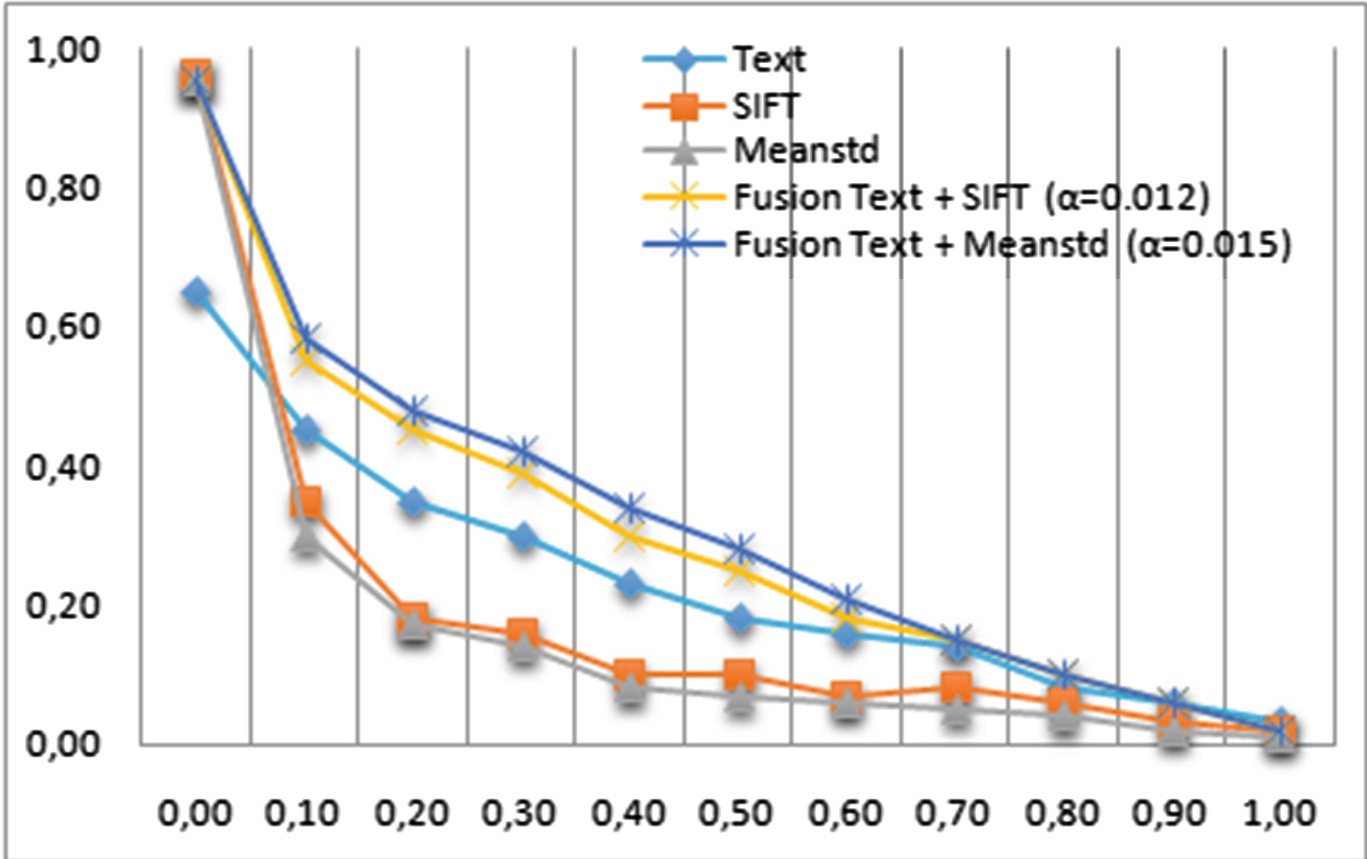 Figure 2: Performance comparison showing the clear lead of the fused (top line) approach.
Critical Analysis & Future Outlook
While the BoW approach is a classic and robust baseline, it has limitations. The reliance on K-means is a bottleneck for scalability. Furthermore, the "Aortic Stenosis" case study (Figures 3-5 in the paper) reveals that while multimodal search brings more relevant images to the top, it still struggles with the high intra-class variance of medical scans.
Takeaway: This paper provides a solid mathematical foundation for clinical social networks. The shift from "Text-Only" to "Multimodal" is no longer optional in radiology—it is the prerequisite for precision medicine. Future work involving Deep Feature Fusion or Latent Semantic Analysis could further bridge the gap between pixel data and medical concepts.
Editor's Note: This research highlights a pivotal shift toward utilizing collaborative social data as a structured medical asset rather than just informal noise.