
Smart Knee Brace: Real-Time Muscle Imbalance Detection via Vibrotactile Feedback
Controlled Tactile and Vibration Feedback Embedded in a Smart Knee Brace
This paper introduces a smart knee brace prototype that integrates wireless Electromyography (EMG) sensors with a vibrotactile feedback system to monitor and correct muscle imbalances. The system specifically targets the Vastus Medialis Oblique (VMO) and Vastus Lateralis (VL) muscles, triggering real-time vibration alarms when the VL/VMO activation ratio deviates from a preset physiological baseline.
TL;DR
Researchers have developed a prototype smart knee brace that doesn't just track how you move, but how your muscles fire. By monitoring the activation ratio between the Vastus Lateralis (VL) and Vastus Medialis Oblique (VMO) using EMG sensors, the system provides immediate vibration feedback when it detects an imbalance, potentially preventing common sports injuries like patellar maltracking before they occur.
Executive Summary
In the landscape of wearable tech, we have moved beyond simple step counting. However, "smart" aids often lack the ability to provide actionable, real-time physiological corrections. This paper presents a closed-loop system that combines Electromyography (EMG) with vibrotactile feedback. Positioned at the intersection of kinesiology and embedded systems, this work establishes a baseline for consumer-grade injury prevention tools that can monitor neuromuscular coordination during gait.
Problem & Motivation: The VMO/VL Tug-Of-War
The knee joint's stability is largely dependent on the coordination of the quadriceps. Specifically, the Vastus Medialis Oblique (VMO) and Vastus Lateralis (VL) must work in harmony to ensure the patella (kneecap) tracks correctly.
The Pain Point: When the VL overpowers the VMO, or if their firing sequence is mistimed, it leads to lateral tracking of the patella—a primary cause of knee pain and long-term injury. Prior work in this area has been restricted to lab settings or passive recording. The authors identified a critical "missing link": a wearable device that can detect these micro-imbalances in real-time and alert the user to adjust their posture or stop the activity.
Methodology: From Muscle Signal to Vibration
The system architecture is a sophisticated pipeline designed for low-latency feedback.
1. Signal Acquisition and Normalization
The system captures raw EMG signals at 2,052 Hz. To make these signals comparable across different individuals, the authors used Maximum Voluntary Isometric Contraction (MVIC) for normalization. This ensures that the "percentage of effort" is the metric used, rather than raw voltage.
2. The Balancing Algorithm
The core intelligence lies in the VL/VMO ratio judgment. The system defines a "normal" baseline and sets a tolerance window.
- The Logic: If is violated, an abnormality is flagged.
- Intensity Gating: To avoid false positives from electronic noise or low-level muscle twitching, signals are only processed if they fall between 5% and 30% of MVIC.
3. Hardware Integration
The system uses a Nuvoton Cortex-M0 MCU (chosen for its low power consumption) and a Bluetooth module to bridge the gap between the PC-based processing and the physical brace.
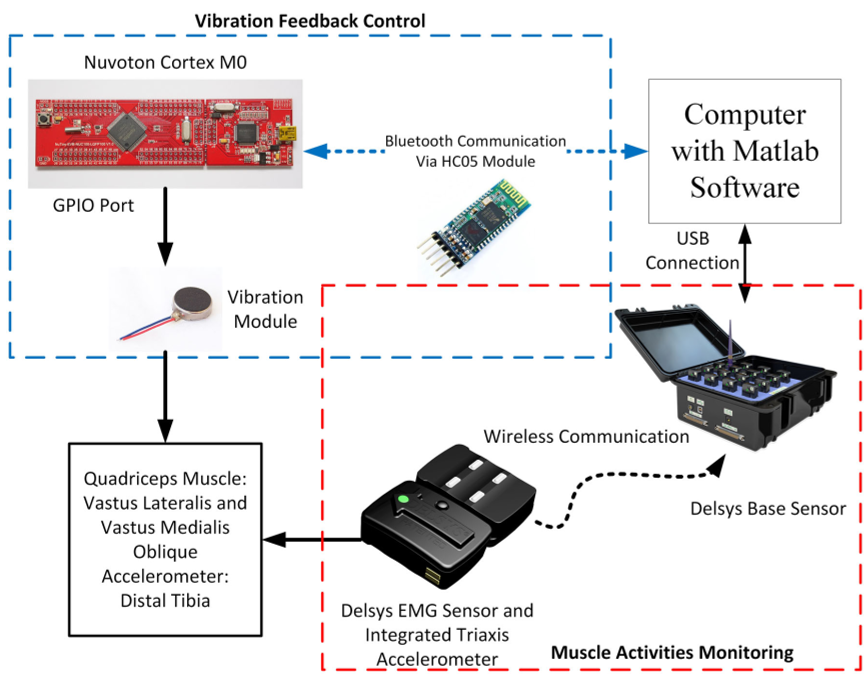 Figure 1: Hardware system configuration showing the integration of EMG sensors and the vibration feedback module.
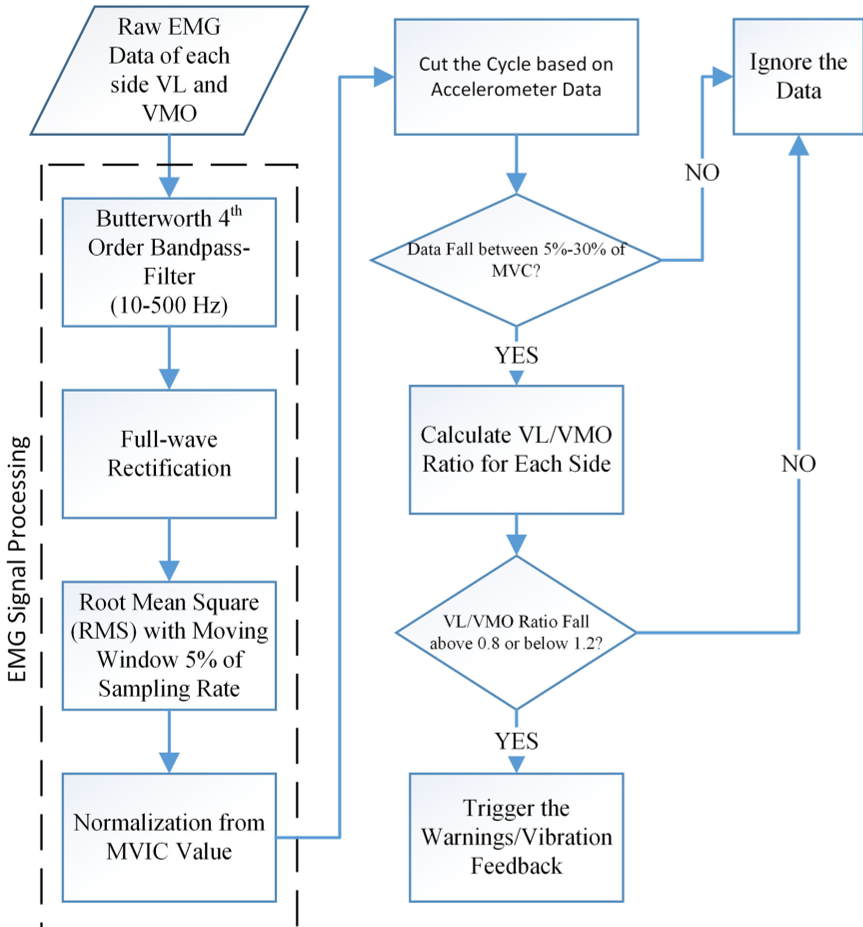 Figure 2: The EMG data processing and abnormality judgment flowchart.
Experiments & Results
The system was tested on subjects walking on a treadmill at three speeds (Speed A: 1.09s/stride to Speed C: 0.68s/stride).
- Moderate Intensity Effectiveness: Using a 5% threshold, the system correctly ignored low-intensity walking (Speeds A and B) which are low-risk, while triggering alarms during the more strenuous Speed C.
- Sensitivity Tuning: By lowering the threshold to 1.5%, the authors proved they could "force" the system to detect minor imbalances even at slow speeds, demonstrating the algorithm's flexibility for different user needs (e.g., highly sensitive for rehabilitation vs. less sensitive for elite athletes).
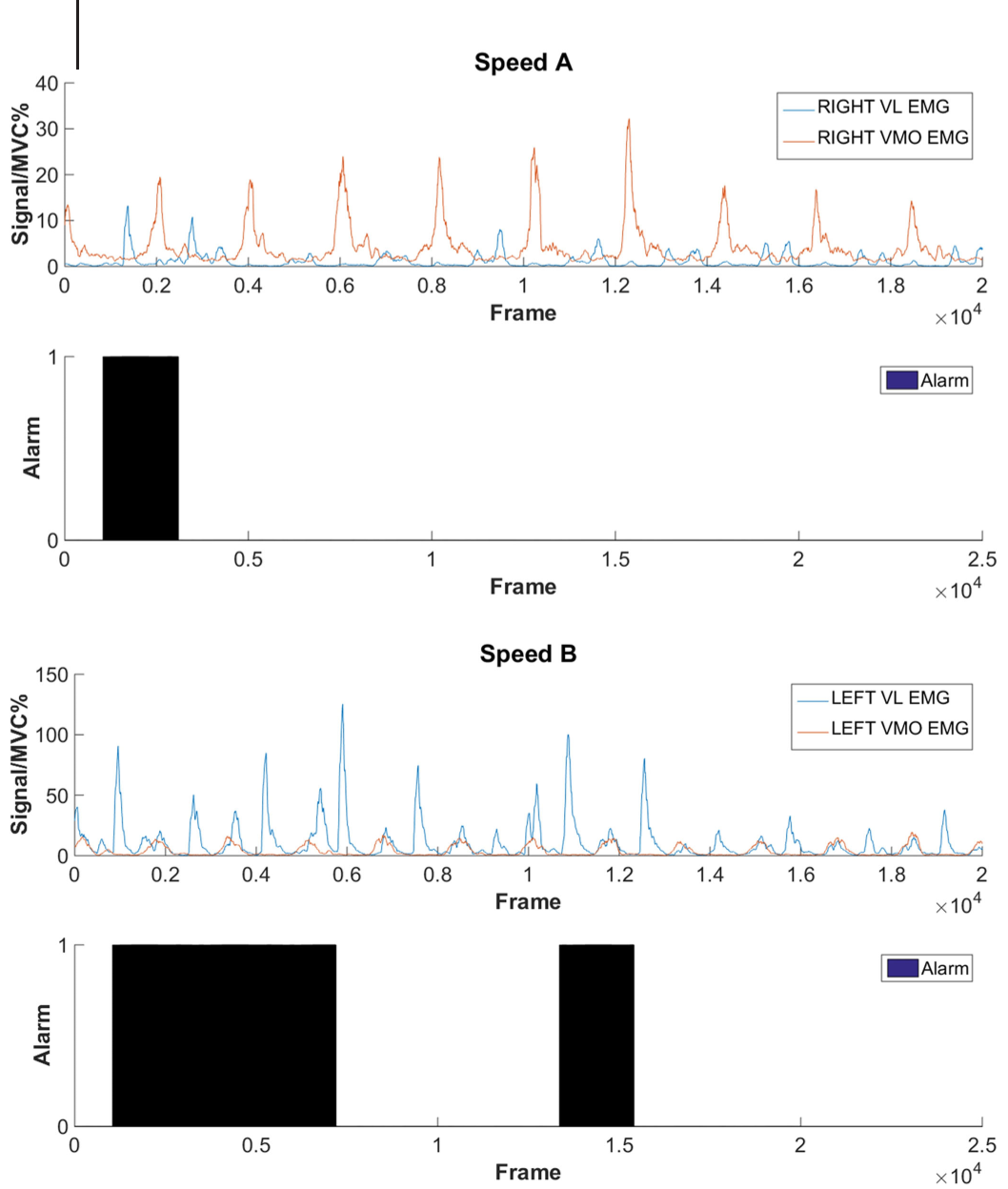 Figure 3: Triggered alarms across different speeds and threshold settings.
Critical Analysis & Conclusion
The "Why" behind the Results
The success of this prototype lies in its stochastic windowing approach. By using stride segmentation (via accelerometers) to chop the EMG data, the device ensures it is comparing muscle activity at the exact same phase of the gait cycle. This reduces the "noise" inherent in dynamic movement.
Limitations & Future Work
While the hardware is robust, the study notes that subjects were alerted but not necessarily able to correct the imbalance immediately. This suggests that future versions should not only provide a warning but perhaps directional cues (e.g., different vibration patterns to indicate which muscle needs more activation).
Additionally, current tests are limited to treadmill walking. Exploring high-impact activities like weightlifting or sprinting will be the true "stress test" for the signal-to-noise ratio of this wearable.
Final Takeaway
This work moves us closer to a "digital therapist" embedded in our clothing. It proves that low-power microcontrollers can handle complex biomechanical ratios in real-time, opening the door for proactive injury prevention in both sports medicine and elderly care.