
CIISS: Revolutionizing Corporate Identity Design via Collective Intelligence
Corporate Identity System Design via Collective Intelligence
This paper introduces the Corporate Identity Information Service System (CIISS), a web-based platform that utilizes collective intelligence to modularize and customize Corporate Identity System (CIS) design. By integrating an object-oriented database with an interactive search engine, the system enables real-time collaboration between designers and clients, significantly streamlining the creation of logos and their application to various corporate assets.
Executive Summary
TL;DR: This paper presents the Corporate Identity Information Service System (CIISS), a pioneering web-based platform that transforms corporate branding from a localized, designer-centric task into a collaborative, cloud-driven ecosystem. By harnessing Collective Intelligence, the system allows for modular logo design and real-time simulation across various corporate media (stationery, vehicles, etc.), drastically reducing the iteration cycle between clients and professionals.
Academic Context: Positioned at the intersection of Visual Arts and Information Communication, this work bridges the gap between traditional Computer-Aided Logo Design Systems (CALDS) and the modern era of Web 2.0 collaborative platforms.
Problem & Motivation: The Bottleneck of Traditional Design
In the traditional design workflow, Corporate Identity (CI) design is a linear, often fragmented process. Designers work on standalone machines, and clients provide feedback through asynchronous channels, leading to:
- High Communication Latency: Misunderstandings regarding "brand feeling" or color choice often take days to rectify.
- Limited Visualization: Clients struggle to imagine how a 2D logo will look on a 3D product (e.g., a delivery truck or a uniform) until the final stages.
- Technical Exclusivity: Design assets are often locked in proprietary formats, making cross-platform brand management difficult.
The authors' insight is to treat design as a service rather than a product, utilizing the "wisdom of the crowd" to build a shared knowledge base of design elements.
Methodology: The Core of CIISS
The CIISS architecture is built upon three pillars: an object-oriented database, a dynamic search/suggestion engine, and a simulation module.
1. The Interaction Model
Unlike older web media that only allowed browsing, CIISS facilitates "Multiple Interaction." Users contribute styles, rate designs, and participate in the content generation process. This turns the platform into a living information sharing center.
2. Design Process and Simulation
The system follows a specific operational path: Industry Selection → Trademark Upload/Selection → Product Simulation → Script/Font Adjustment.
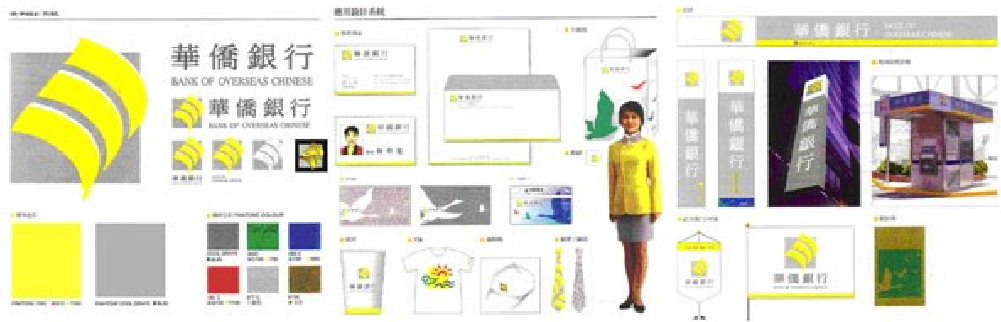 Figure 1: The operational flow shows how users move from conceptual databases to finalized, simulated applications.
3. Color Image Space
A sophisticated aspect of the methodology is the use of Color Image Space. The system doesn't just offer a color picker; it analyzes hues, lightness, and saturation based on psychological "common feelings." For example, electronics firms are mapped to specific "Blue" image spaces to evoke reliability, unless they intentionally seek differentiation (like Acer’s dark green).
Experiments & Results: Modular Design in Action
The study demonstrates the system's effectiveness through its applied design modules. By integrating basic elements into a modular framework, the CIISS allows for immediate application across diverse sectors.
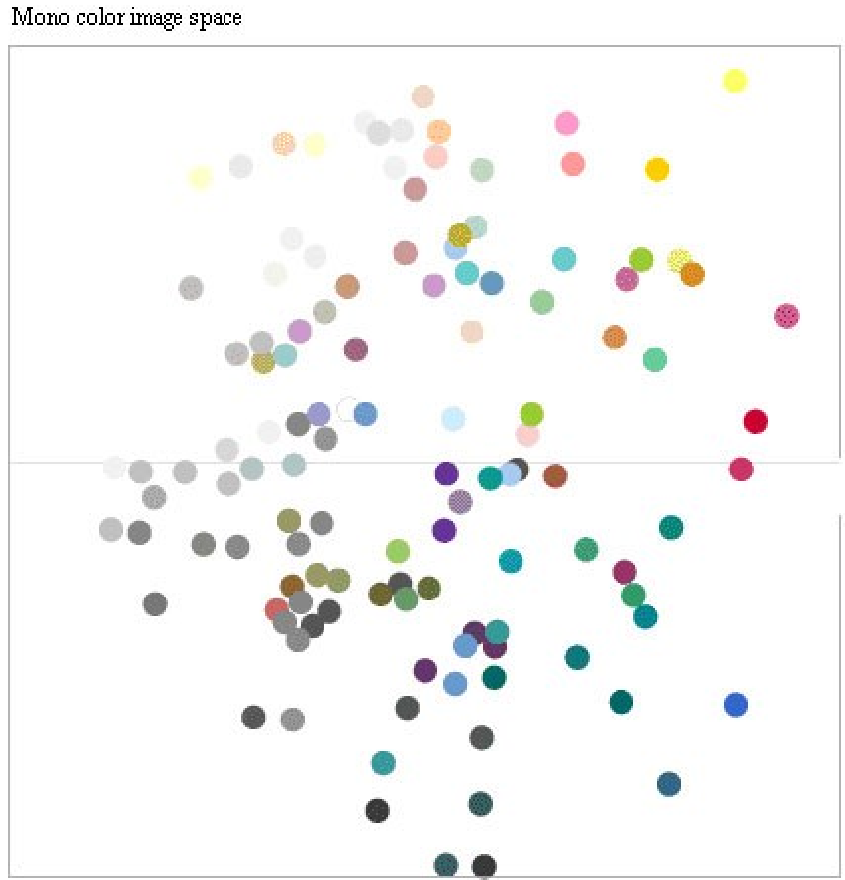 Figure 2: Real-time simulation of corporate identity on transportation tools, allowing clients to judge visibility and scale instantly.
Key Achievements:
- Iterative Design: Enabled a continuous feedback loop where logos could be refined based on immediate visual evidence.
- Efficiency: Shortened the time from concept formulation to "print proof" by providing a direct communication interface.
- Longevity and Simplicity: The system encourages maintaining core logo elements while allowing stylistic updates to follow changing market trends in supplemental assets.
Critical Analysis & Conclusion
Takeaway
The CIISS represents a shift toward democratized design. By modularizing the "Basic Elements" of CI design (logos, colors, fonts), the system empowers non-designers to participate meaningfully while allowing professionals to focus on high-level strategy.
Limitations
- Computational Constraints: Published in an era before the current Generative AI (LLMs/Diffusion models) boom, the search engine is still largely based on pre-defined database tags rather than semantic image generation.
- Subjectivity: While "Color Image Space" aims for objectivity, the "Wisdom of the Crowd" can sometimes lead to localized aesthetic biases.
Future Outlook
The logical evolution of this work lies in integrating AI-driven generative modules where the "Collective Intelligence" isn't just user ratings, but a latent space of designs learned from millions of successful corporate identities.
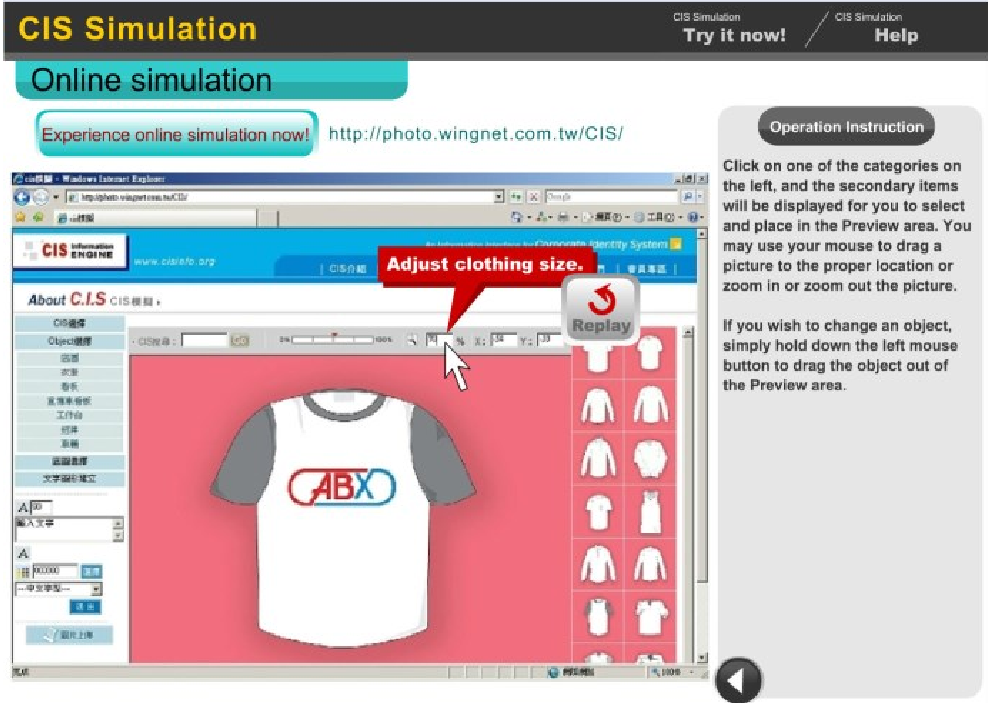 Figure 3: The final integrated framework of the CIISS, illustrating the synergy between the backend database and the user-facing interface.