
CrowdMM14: Transforming the "Wisdom of Crowds" into a Mature Multimedia Methodology
15140_CrowdMM14 - 2014 International ACM Workshop on Crowdsourcing for Multimedia.
CrowdMM14 is the third edition of the International ACM Workshop on Crowdsourcing for Multimedia, serving as a dedicated venue for advancing human computation and "wisdom of the crowds" within multimedia research. The workshop focuses on transitioning crowdsourcing from a mere data-collection tool to a mature, repeatable methodology for tasks like QoE evaluation and content indexing.
TL;DR
The CrowdMM14 workshop represents a pivotal moment in multimedia research, where crowdsourcing shifted from an experimental data-gathering tactic to a formal research methodology. It tackles the inherent volatility of human contributors by proposing rigorous quality control, incentive design, and task parameterization to ensure that "human computation" yields repeatable and scientific results.
Context: Beyond the "Black Box" of Human Input
In 2014, while the term "crowdsourcing" was widely known, its implementation in multimedia—such as evaluating Quality of Experience (QoE) or complex video indexing—was often chaotic. Researchers faced a fundamental paradox: human input is essential for understanding subjective multimedia quality, yet humans are "dynamic systems" that are highly sensitive to how a task is framed.
The authors argue that for crowdsourcing to exercise a transformative impact, it must evolve from a "black box" of cheap labor into a structured methodology where worker reliability and noise control are handled with mathematical and psychological precision.
The Core Challenge: Methodological Volatility
The primary pain point identified is the lack of repeatability. If two researchers crowdsource the same evaluation but get wildly different results due to poor task design or different incentive structures, the method fails as a scientific tool.
Key Pillars of the CrowdMM14 Framework:
- Expertise & Reliability: How do we identify a "good" worker without prior knowledge?
- Task Design: Providing effective explanations to reduce cognitive noise.
- Anti-Cheating Mechanisms: Designing incentives that do not "breed cheating" or encourage adversarial behavior.
- Privacy vs. Context: Gathering necessary demographics without violating user trust.
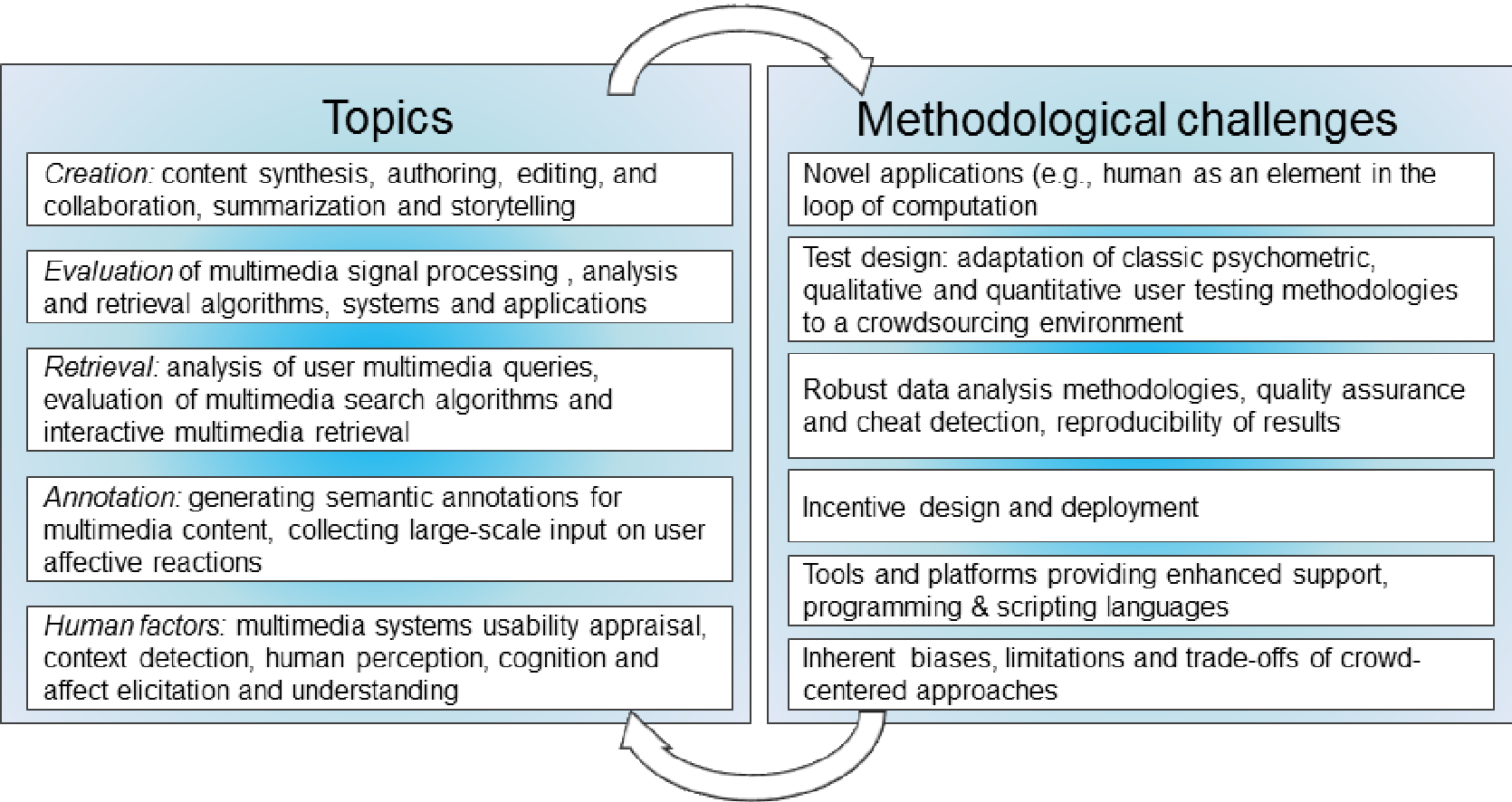 Figure 1: The taxonomy of challenges addressed, ranging from technical implementation to ethical considerations.
Methodology: Crowdsourcing as an End, Not Just a Mean
The workshop's unique insight was treating crowdsourcing as an object of study itself. Instead of just using help for a specific search task, researchers explored:
- Hybrid Techniques: Combining automated algorithms with human computation to find the "sweet spot" where automation fails (e.g., semantic nuance in audio indexing).
- Standardization: Working toward guidelines and recommendations that could be adopted by standardization bodies (like ITU or ISO) for multimedia evaluation.
- Games with a Purpose (GWAP): Using gamification to naturally incentivize high-quality contributions without monetary-driven bias.
Impact and Results
The growth of the field was evidenced by a 62% surge in submissions over the previous year. With an acceptance rate reflecting high selectivity, the workshop highlights:
- Visual and Audio Indexing: Using "wisdom of the crowd" to bridge the semantic gap in search.
- Log Archival & Forensics: Applying human intuition to security and privacy tasks.
- HCI and QoE: Grounding multimedia system design in actual human perception rather than just PSNR or MSE metrics.
Critical Insight: The Future of Hybrid Intelligence
As a Senior Tech Editor, I view CrowdMM14 as the precursor to modern RLHF (Reinforcement Learning from Human Feedback). The challenges identified here—noise control, incentive structures, and worker expertise—are exactly the same problems currently faced by developers training the next generation of Large Multimodal Models.
Limitations: The primary limitation at this stage was the lack of automated real-time quality monitoring tools, which often meant quality control was a "post-processing" step rather than integrated into the workflow.
Conclusion
CrowdMM14 served as a clarion call for the multimedia community to stop treating humans as "cheap computers" and start treating crowdsourcing as a sophisticated research engineering discipline. By focusing on the "How" of human factors, this work laid the groundwork for today's data-centric AI paradigms.