
Turning the Crowd into a Lens: Beyond OCR with Human-Powered Image Translation
A crowdsourcing based mobile image translation and knowledge sharing service
2010-12-01
Summary
Problem
Method
Results
Takeaways
Abstract
This paper introduces a crowdsourcing-based mobile image translation and knowledge-sharing service that connects travelers with bilingual communities. Unlike traditional OCR-based tools, it leverages "human computation" to provide contextual, high-level information for complex scripts like Chinese and Japanese.
## TL;DR
While AI and OCR have made strides, they often fail to capture the "why" behind a sign or the "what next" of a situation. This paper presents a crowdsourcing framework that enables travelers to snap photos of foreign text and receive contextual, expert advice from real human workers in near real-time, bridging the gap between literal translation and cultural understanding.
## The Wall of Character Recognition
For a traveler in Tokyo or Shanghai, the primary barrier isn't just translation—it's **input**. If you cannot read Kanji or Hanzi, you cannot type it into a dictionary. While Optical Character Recognition (OCR) exists, it is notoriously fragile when faced with:
* Handwritten notes or stylized restaurant menus.
* Complex backgrounds and poor lighting.
* Logographic scripts where one character has multiple phonetic readings.
More importantly, even a "perfect" machine translation of a train delay sign doesn't tell a traveler if they should wait or find a bus. The authors argue that **human computation** is the only way to provide this "high-level" information.
## Methodology: The Human-Powered Proxy
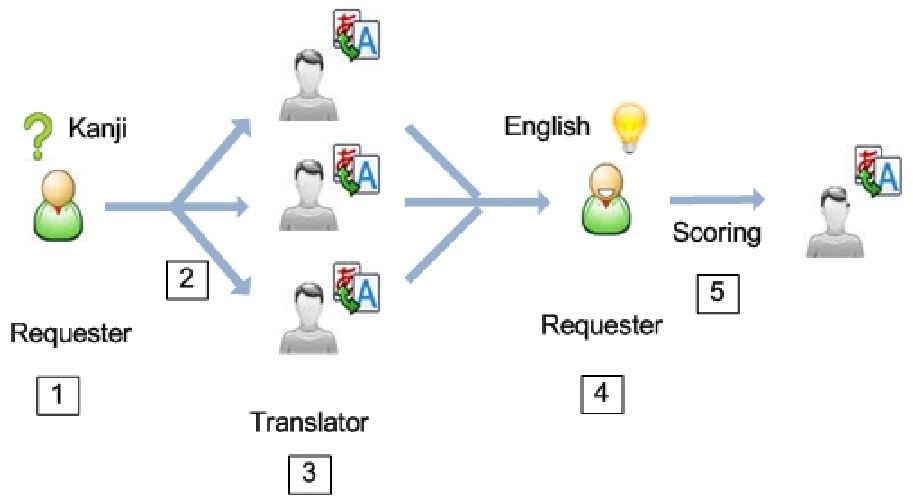
The proposed system functions as a socialized server-client architecture. A traveler (Client User) submits an image; the server broadcasts it to workers (Work Users) via email or a dedicated app.
### Key Innovations in Strategy
1. **Parallel Assignment**: To ensure speed, the same task is sent to multiple workers simultaneously.
2. **Tag-Style Answers**: Workers are encouraged to use keywords (e.g., "pork, spicy") rather than full sentences to reduce the burden on non-native translators.
3. **Visual Proofreading**: An optional phase where a second worker verifies the answer to prevent malicious or incorrect responses.
## Field Evidence: When Machines Fail, Humans Consult
The study highlighted four fascinating cases where human intuition outperformed any algorithm of its time:
* **Contextual Reasoning**: When a train display showed a delay, translators didn't just translate the "reason" (which was vague); they told the traveler *how long* they would likely be waiting based on local knowledge.
* **Visual Verification**: For a user asking about recipe ingredients, translators provided Google Image links, proving that a picture of a vegetable is often more useful than its English name.
* **Cultural Knowledge**: Translators explained the tiered pricing of a Japanese electricity bill—something no standard dictionary could parse logically for a foreigner.
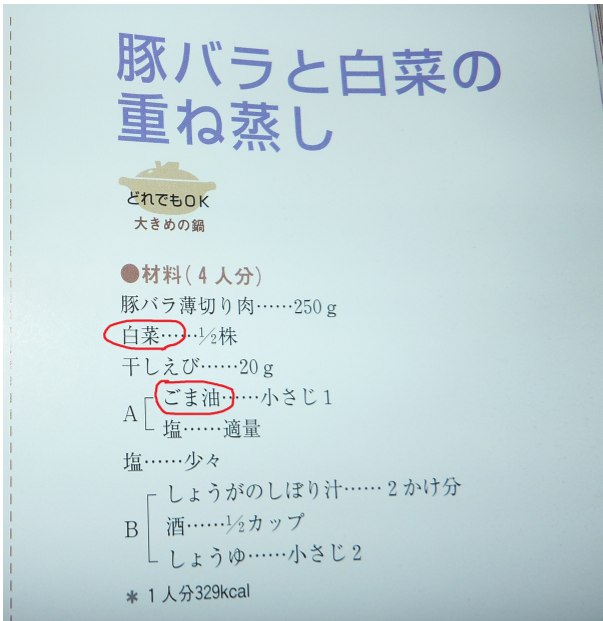
*Figure: A recipe image where translators provided visual links to clarify ingredients.*
## Gamification: The Social Incentive
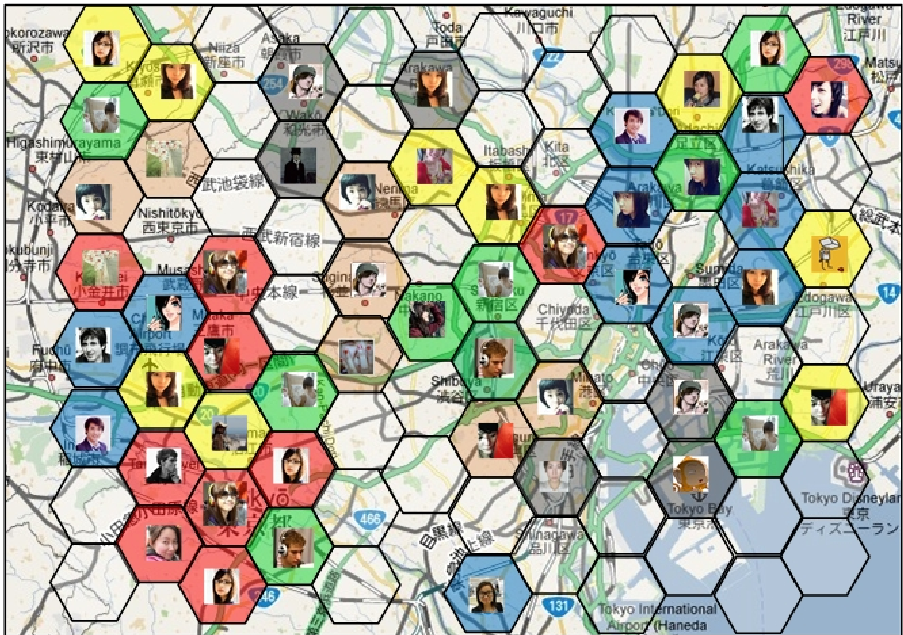
How do you get people to translate for free? The authors proposed a **location-based game**. The world map is divided into hexagons; by providing high-quality translations in a specific neighborhood (e.g., Shibuya), a user can become the "Lord" of that territory.
## Critical Analysis & Conclusion
### Deep Insights
The brilliance of this work lies in its realization that **translation is a knowledge problem, not just a linguistic one.** By treating humans as "sensors" and "processors," the system captures the nuance of human experience that LSTMs or Transformers (the future tech at the time) often miss.
### Limitations
* **Latency**: Even with parallel assignment, human response time cannot match the millisecond speed of on-device OCR.
* **Privacy**: Sending photos of bills or medical results to a crowd raises significant data security concerns.
### Future Perspective
This 2010 paper pre-dated the massive "gig economy" explosion. Today, we see these seeds in platforms like "Be My Eyes" (helping the blind) or even modern LLMs that use Reinforcement Learning from Human Feedback (RLHF). The "Human Mobile Image Translator" was a pioneer in treating the world as a collaborative, searchable database.