
Engineering for the Bottom Billion: Why ICTD Projects Need More Than Good Intentions
Crowdsourcing ICTD Best Practices
The paper proposes a transition from unstructured "just do it" software development to a formal engineering approach in Information and Communication Technologies for Development (ICTD). The authors introduce ict4gHub, a crowdsourcing portal designed to aggregate best practices and software metrics to improve the sustainability of projects worldwide.
TL;DR
The field of Information and Communication Technologies for Development (ICTD) is littered with "pilot-itis"—projects that die immediately after their initial funding. This paper argues that the industry's shift from technocentrism to pure sociology has gone too far, neglecting the software engineering rigor necessary for survival. The authors propose ict4gHub, a crowdsourcing portal to capture the "missing manual" of technical best practices for developing software in resource-constrained environments.
Background: The Price of Unstructured Development
For decades, ICTD projects followed a "just do it" philosophy. While well-intentioned, this has led to a fragmented ecosystem where:
- Market price systems are reinvented hundreds of times instead of being reused.
- Sustainability plans are non-existent, leading to software death once the NGO funding stops.
- Documentation is largely sociological, focusing on "how many people were helped" rather than "how the system handles intermittent connectivity."
The authors argue that we cannot simply "copy-paste" Western processes (like the Rational Unified Process) because the cultural gap, technical constraints (low-end phones, power outages), and stakeholders are fundamentally different.
Methodology: Crowdsourcing the "Secret Sauce"
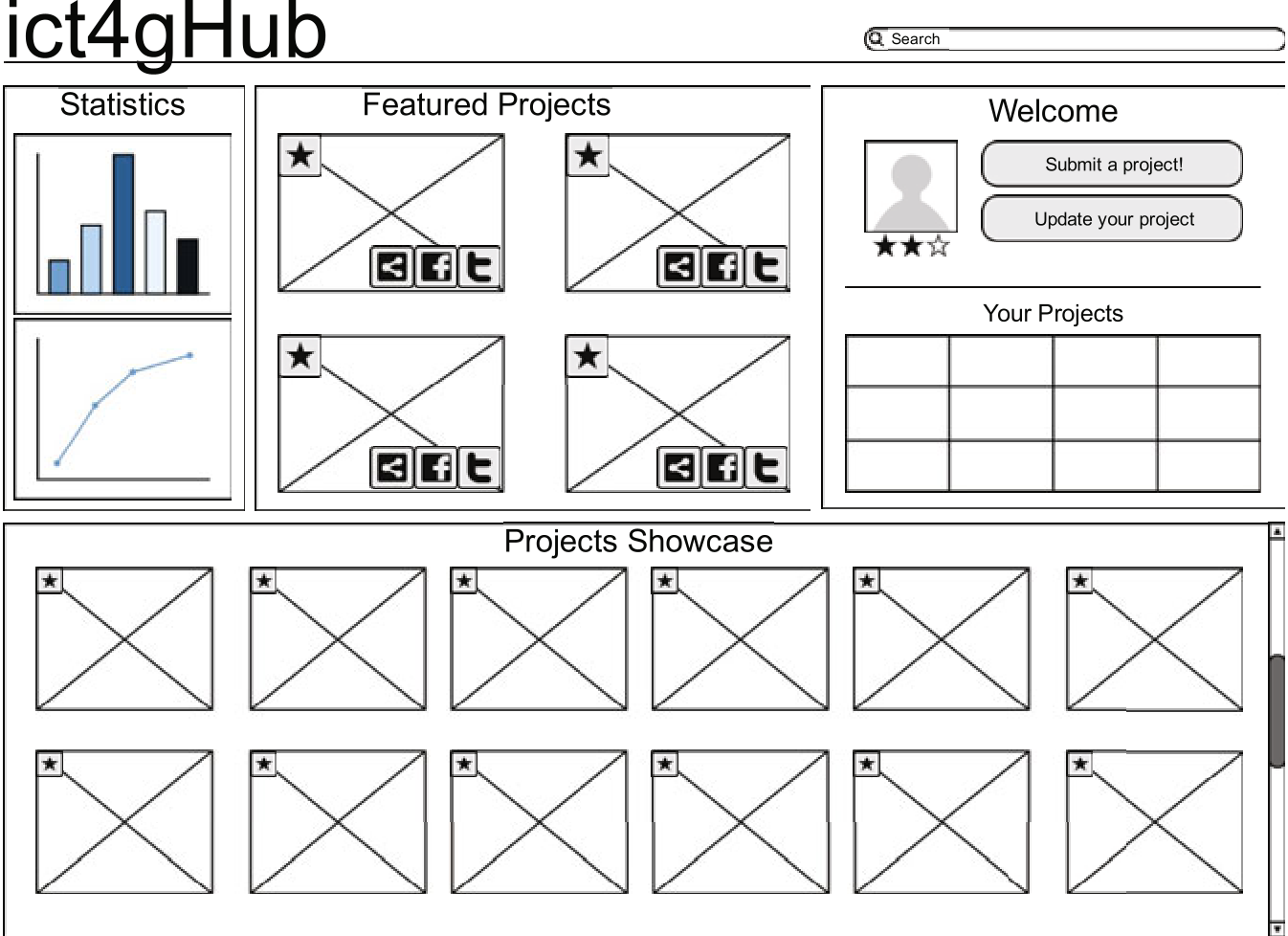
The core proposal is the creation of a structured knowledge base through a portal called ict4gHub. Unlike existing catalogs that focus on social impact, this hub seeks to map techniques.
1. The Data Factsheet
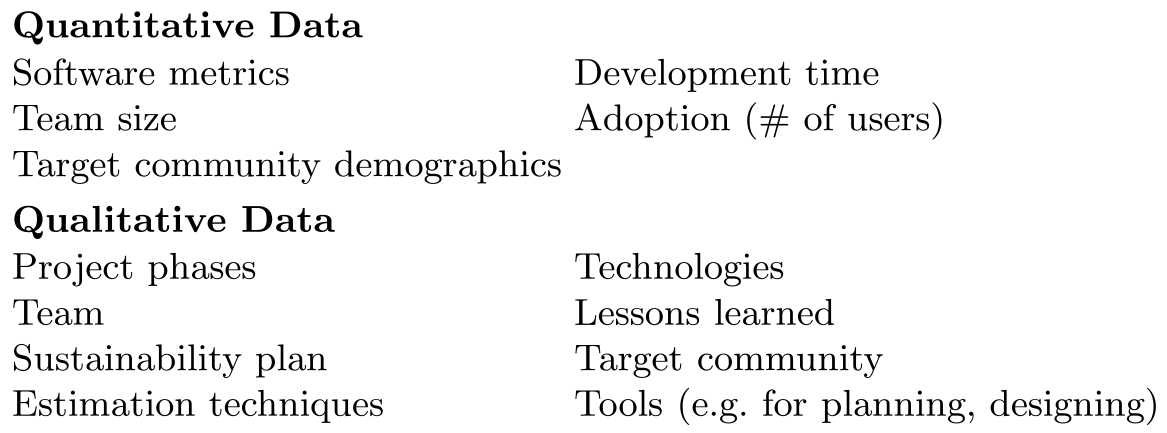
To move beyond anecdotal success stories, the authors define a specific set of parameters to be collected from project managers:
- Quantitative: Software metrics, development time, team size, and adoption rates.
- Qualitative: Project phases, estimation techniques, and specific tools used for sustainability.
2. The Living Lab & Agile Adaptation
The paper highlights that success often stems from User-Centric Design and Participatory Design. By using "local champions" (Infopreneurs™) and iterative prototyping (Living Labs), developers can bridge the cultural divide.
Prototyping a Solution: ict4gHub
The proposed portal serves as both a data collection tool and a community showcase. By aggregating statistics, researchers can finally identify whether a specific architecture (like the CAM framework for barcodes) or a specific methodology (like SCRUM) actually leads to higher project longevity.
Critical Insight: Why This Matters
The most profound takeaway is the authors' stance on the Technical-Sociological Balance. They do not suggest going back to the hardware-first days of the 90s telecenters. Instead, they advocate for a "conceptual merger."
In the Western world, we take for granted the infrastructure (GitHub, StackOverflow, established SDLCs). In ICTD, these "commonplaces" don't exist in a way that respects rural constraints. This work is a call to action for Software Engineers to treat "Development" (the socio-economic kind) as a rigorous engineering domain, not just a charity sidebar.
Conclusion & Future Directions
While ict4gHub is a vital first step, the challenge remains in incentivizing busy project managers to contribute data. However, if successful, this knowledge base will provide the foundation for a truly customizable software development process tailored for the marginalized, effectively turning "First World" engineering into a "Bottom Billion" reality.