
From Passive Monitoring to Active Crowdtasking: Redefining Crisis Response
Crowdsourcing in Crisis and Disaster Management – Challenges and Considerations
The paper explores the integration of crowdsourcing and "crowdtasking" within Crisis and Disaster Management (CDM). It introduces a structured transition from passive social media monitoring to active, managed volunteer engagement through dedicated mobile platforms like Ubicity and the RE-ACTA framework.
TL;DR
Crowdsourcing in disaster management is evolving from simply "listening" to social media to actively "tasking" the public. This paper distinguishes between social data mining and specialized Crowdtasking, presenting a framework where crisis managers can mobilize trusted volunteers to perform specific, geolocated micro-tasks (e.g., checking water quality or reporting damage) through dedicated mobile platforms like RE-ACTA and Ubicity.
Background Positioning
In the landscape of Crisis and Disaster Management (CDM), this work bridges the gap between the chaotic self-organization of "smart mobs" on social media and the rigid command-and-control structures used by NGOs and government agencies. It positions itself as a methodology-driven bridge, focusing on the sociotechnical integration of volunteers into formal resilience systems.
The Problem: The Conflict of Hierarchy and Chaos
The authors identify a fundamental tension: Professional crisis management demands hierarchy for safety and efficiency, whereas the crowd is inherently non-hierarchical.
Current limitations include:
- Data Quality: Social media posts are often unstructured, missing coordinates, or intentionally misleading.
- Privacy: Most citizen-generated data is shared within private circles and cannot be legally or ethically used by authorities without consent.
- The "Laid-back" Attitude: Relying on spontaneous mentions (Passive Crowdsourcing) doesn't help when a manager needs a specific sandbag wall filled at a specific GPS coordinate now.
Methodology: The Rise of Crowdtasking
The core innovation discussed is moving from Crowdsourcing (broad calls for data) to Crowdtasking (targeted micro-tasks). The authors propose a system architecture that relies on:
- Micro-task Markets: Treating crisis help like a spatial "Amazon Mechanical Turk."
- Trust Layers: Distinguishing between pre-registered "trusted" volunteers (verified offline by agencies like the Red Cross) and spontaneous ad-hoc participants.
- Privacy by Design: Separating sensitive volunteer identity data from the situational observations they report.
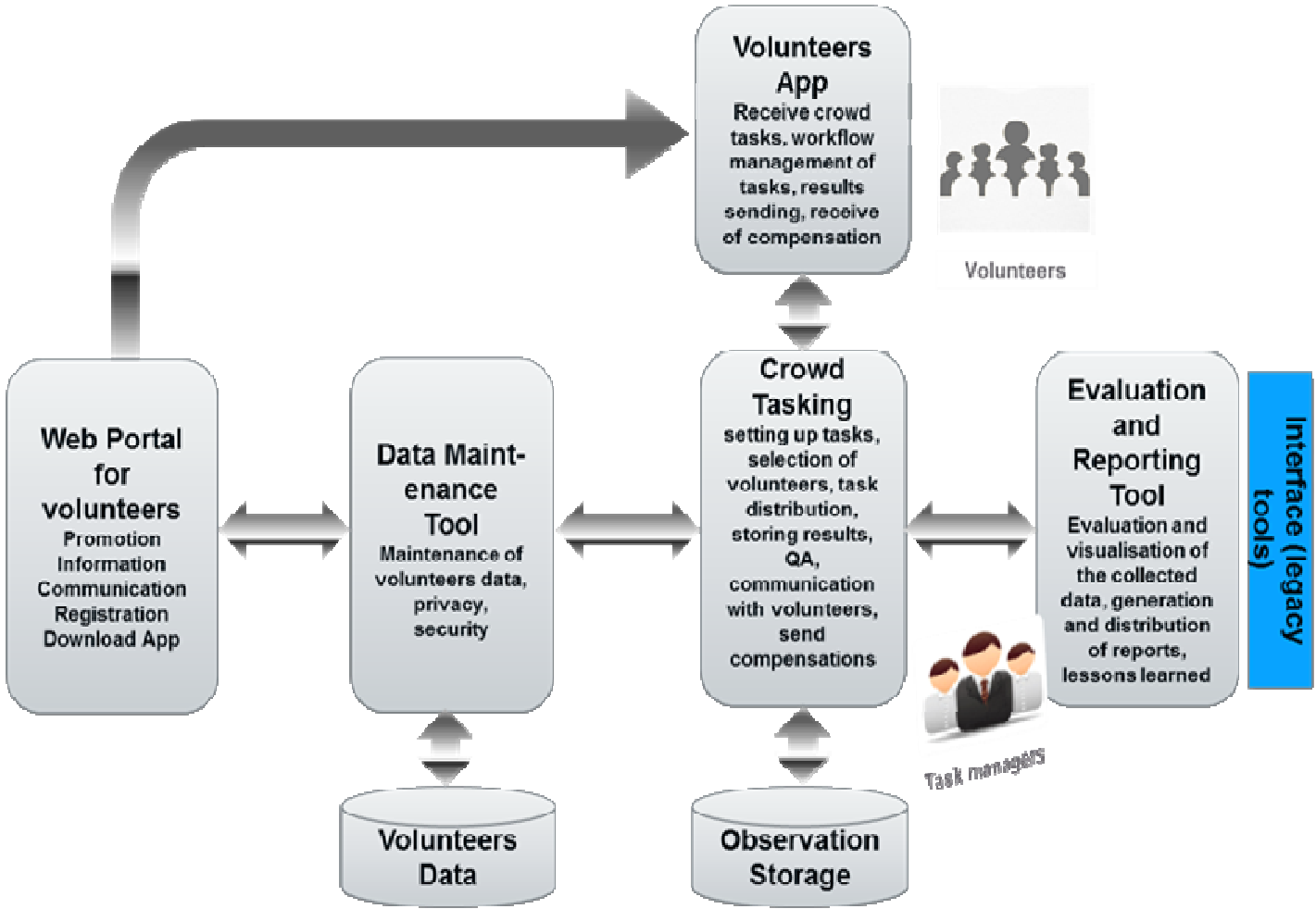 Figure 1: The RE-ACTA platform architecture for crowdtasking management.
Real-World Use Cases
The paper highlights that these theories are already being field-tested:
- Water Quality in rural India: Using 53-cent chemical kits, citizens test water for E. coli and report results via SMS. The system uses statistical trends to filter out reporting errors automatically.
- Agriculture (Seeds for Needs): 800 farmers act as "citizen scientists," ranking crop varieties to help agricultural sectors adapt to climate change.
- The SUPER Project: A holistic approach to "social sensors," integrating behavior modeling to understand how citizens react during emergencies like earthquakes.
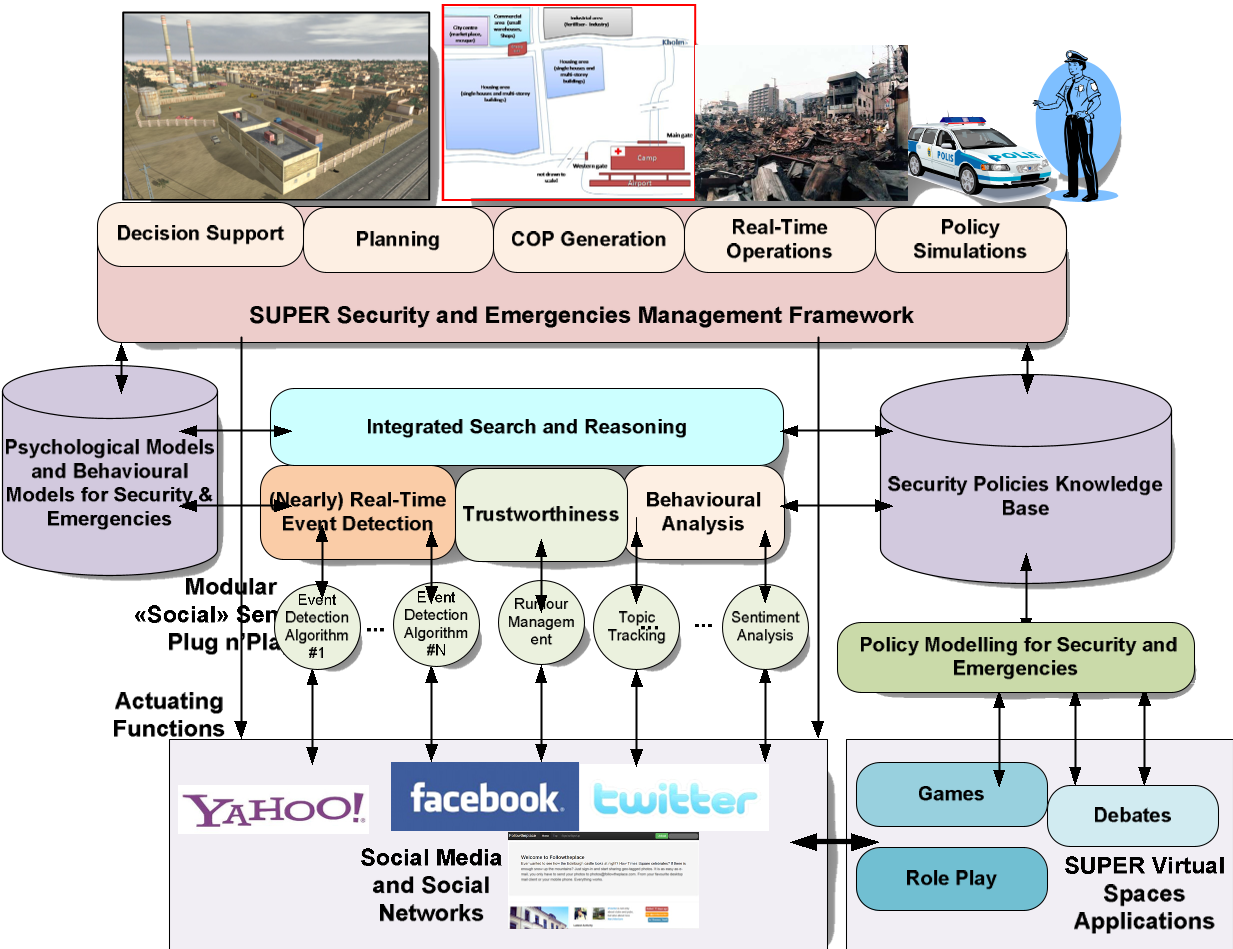 Figure 2: Community-led environmental monitoring in India.
Critical Insight: The Challenge of Self-Organization
A striking takeaway from the authors' experience with the Austrian Red Cross is the professional reluctance to embrace self-organization. Initially, tools were designed to prevent volunteers from talking to each other or delegating tasks, fearing chaos.
However, the authors argue for Resilient Design: in a true crisis, mobile networks fail. If a system is purely top-down, it breaks when the server goes down. A future-proof system must allow "pre-assigned" tasks and local peer-to-peer coordination (phone-to-phone) when central command is unreachable.
Deep Insight & Conclusion
Takeaway
Crowdtasking is not just a technical challenge; it is an organizational and ethical one. The success of these platforms depends on the "Money, Love, and Glory" incentive model—mostly "Love" (altruism) and "Glory" (social recognition) in the context of CDM.
Limitations
- Digital Divide: High reliance on smartphones may exclude vulnerable populations.
- Liability: Who is responsible if a task leads a volunteer into a dangerous zone? The paper suggests "micro-learning" certifications, but legal frameworks remain murky.
Future Outlook
The authors envision a "hybrid" platform where crisis managers maintain a top-down overview but "nourish" the self-organizing capabilities of the crowd. As algorithms for social media monitoring improve, the integration of these "human sensors" will become a standard component of global disaster resilience.