
Scripts and Social Stress: Why Facebook Learning Defies Traditional CSCL Logic
Scripts, individual preparation and group awareness support in the service of learning in Facebook: How does CSCL compare to social networking sites?
This research investigates the effectiveness of Argumentation Scripts, Individual Preparation, and Group Awareness Support for fostering Argumentative Knowledge Construction (AKC) within Facebook. Findings across three studies indicate that while scripts during collaboration improve learning, common CSCL strategies like individual preparation and group awareness support paradoxically yield negative results in social networking contexts.
TL;DR
While Facebook is an "authentic" context for social interaction, applying traditional classroom-based collaborative learning scaffolds to it often backfires. This research reveals that Individual Preparation and Group Awareness Support—usually the "gold standards" of collaborative learning—actually hinder knowledge sharing on Facebook. Only Argumentation Scripts integrated directly into the live discussion seem to move the needle.
Contextual Positioning
This work acts as a critical reality check for the field of Computer-Supported Collaborative Learning (CSCL). It shifts the focus from "what tools work" to "how the social affordances of the platform change the toolkit’s effectiveness." It suggests that the social DNA of Facebook (public image, "likes") transforms learning from a cognitive task into a self-presentation performance.
Problem & Motivation: The "Shallow" Facebook Myth
Common wisdom suggests Facebook is too shallow for academic learning. The authors counter-argue that it has massive potential for Argumentative Knowledge Construction (AKC)—the process of learning by debating. However, previous attempts to "fix" Facebook by adding structure (scripts) often ignored the "native" psychology of the user. The authors sought to see if standard scaffolds actually survive the transition from closed learning management systems to open social networks.
Methodology: Scripting the Social Space
The researchers built custom Facebook applications to track how students argued about "Behaviorism in the Classroom."
1. The Interaction of Scripts and Awareness
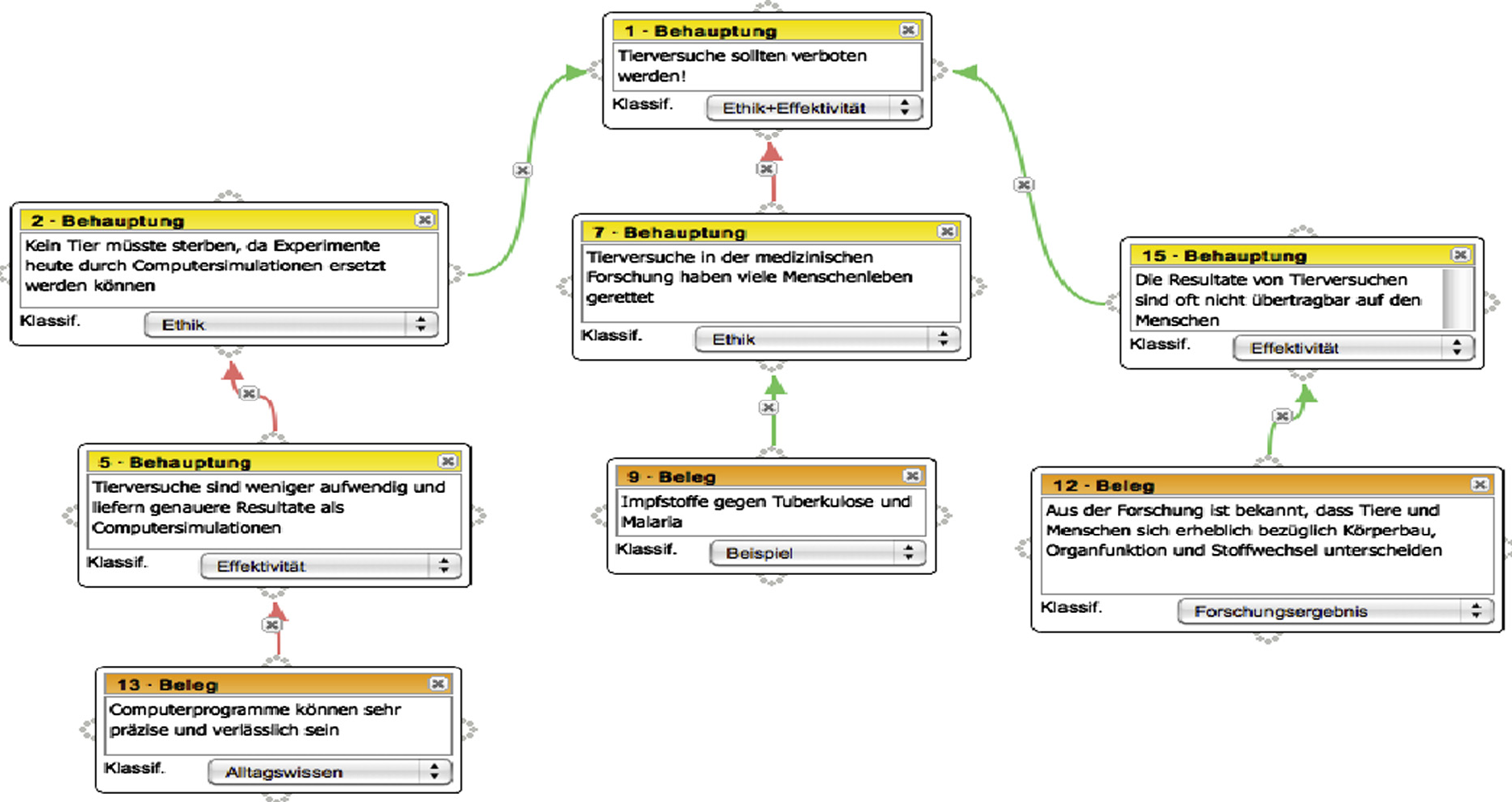
They introduced an Argumentation Ontology where users had to label their posts as "Claims," "Counter-arguments," or "Evidence." They also triggered Group Awareness by telling participants their arguments would be publicly critiqued by peers later.
2. The Individual vs. Collaborative Paradox
In Study 3, they compared students who had quiet time to prepare arguments alone versus those who jumped straight into the group chat. In a traditional setting, preparation is better. On Facebook? It’s complicated.
Results: When Scaffolding Falls Down
The findings were a shock to traditional theory:
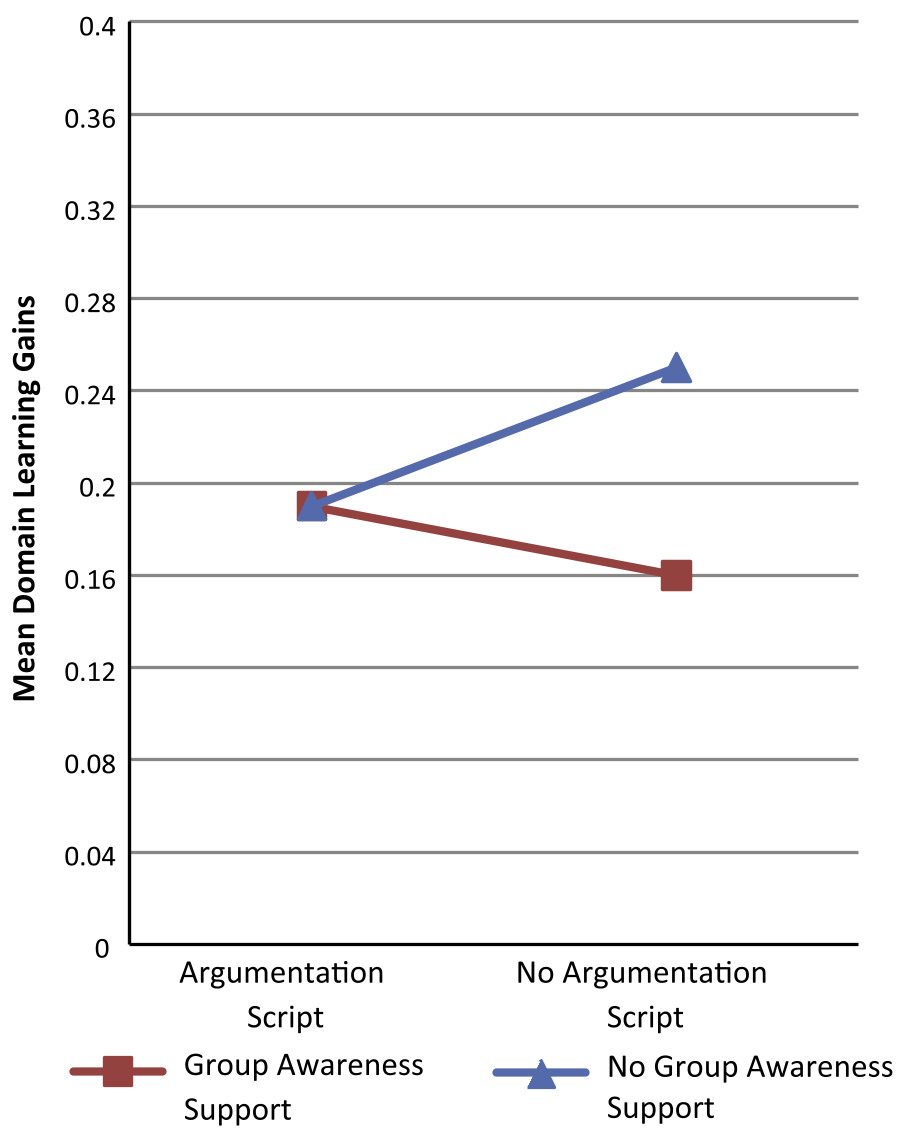
- The Awareness Penalty: Students who were told their peers would see their work (Group Awareness) actually learned less. They became over-cautious, focused on not "losing face" rather than exploring new ideas.
- Preparation Leads to Solidification: Giving students time to prepare individually resulted in "knowledge solidification." Instead of co-constructing new ideas with partners, they just defended their pre-written "fortress" of an argument.
- The Scripting Silver Lining: Using a formal script during live collaboration (without long preparation) showed the best results for argument quality and structure.
Deep Insight: Personality and Platform
The core takeaway is that Facebook is socially "loud." When you add a "learning scaffold" on top of an already high-pressure social environment, the cognitive load becomes too great. Students stop being learners and start being "public personas."
Critical Analysis & Conclusion
- Takeaway: To leverage SNS for education, skip the isolated prep work. Encourage fast, messy, scripted dialogue that mimics the platform's native speed.
- Limitations: The study was lab-based and short-term. Real-world Facebook groups might build "trust" over time, potentially reducing the negative effects of group awareness found here.
- Future Work: We need "subtle" interventions—stealthy scripts that guide the debate without making users feel like they are under a microscope.
Conclusion: Facebook can be a powerful classroom, but only if we stop trying to turn it into a library.