
Designing Beyond Borders: Bridging Cultural Gaps in Latin American Industrial Design
The Challenge of Dealing with Cultural Differences in Industrial Design in Emerging Countries: Latin-American Case Studies
This paper presents a framework for integrating ethnographic research and human factors into the industrial design process for emerging markets. Through three Latin American case studies (Nicaragua, Mexico, and Colombia), it demonstrates how localized design strategies can bridge the gap between foreign manufacturing and domestic consumer needs.
TL;DR
Industrial design in emerging markets is often treated as a simple exercise in cost-cutting. However, this paper argues that the real challenge lies in cultural translation. By utilizing ethnographic research and "Cultural Probes" across case studies in Nicaragua, Mexico, and Colombia, the author demonstrates that successful products—from $10 prostheses to affordable stoves—require a deep integration of local identity, social habits, and environmental constraints.
Contextual Positioning
While most design literature focuses on high-tech innovation for Western markets, this work positions itself within Human Factors and Cultural Design. It serves as a methodological bridge for designers and multinational corporations looking to move beyond "one-size-fits-all" products toward culturally resonant solutions in the Global South.
The Problem: The "Data Vacuum" in Emerging Markets
Global manufacturers often view emerging markets through a purely quantitative lens (e.g., "50% of Latin Americans will own a mobile phone"). The author highlights a critical "missing link": the qualitative understanding of how and why products are used.
- Prior Work Failures: Many designs fail because they assume low-income users only want "basic" or "low-tech" looking items, ignoring the psychological need for status and modernity.
- The Insight: Design is not just about the object; it's about the environment of the user. In Nicaragua, a prosthesis must survive humidity and irregular land; in Colombia, a stove must accommodate a specific three-dish diet (soup, rice, meat) simultaneously on a limited fuel budget.
Methodology: The Ethnographic Research Funnel
The author proposes a non-linear, cyclic approach to research. Instead of a standard engineering checklist, the process uses a funnel to synthesize complex cultural data into design concepts.
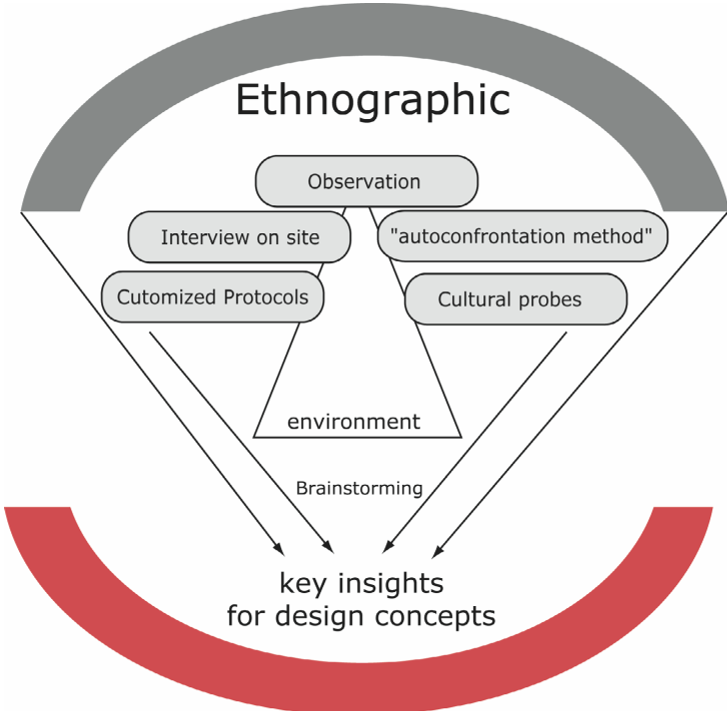
Key components include:
- Customized Protocols: Recognizing that a healthcare product requires a different emotional bond (patient-illness) than a consumer retail product.
- Autoconfrontation: Presenting preliminary findings back to the community to validate hypotheses, ensuring the designer's bias doesn't skew the results.
- Cultural Probes: Identifying specific local symbols or habits that can be transformed into product features.
Depth Insight: Case Study Analysis
1. The $10 Prosthetic (Nicaragua)
A common misconception was that low-income patients wanted "conservative" designs. Research revealed that users preferred "Modern, high-tech and styling" aesthetics similar to those in developed countries. The project successfully balanced this aspirational style with a $10 manufacturing cost using local materials.

2. The $20 Stove (Colombia)
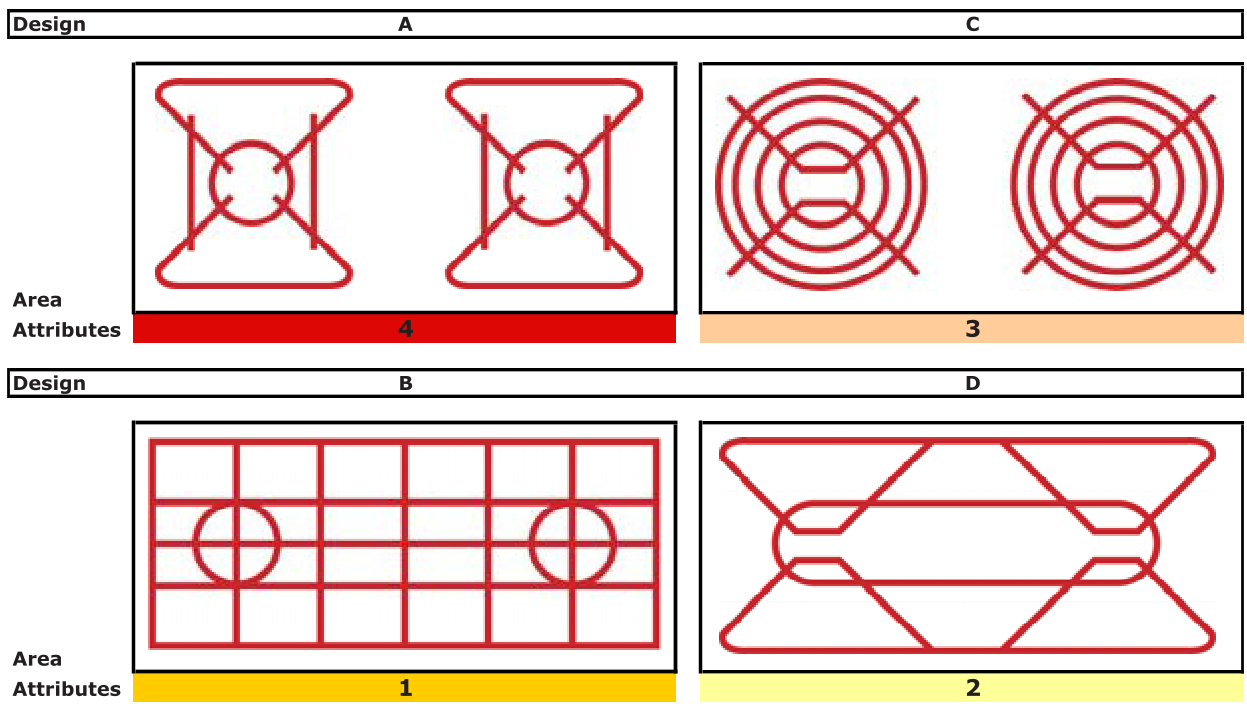
By analyzing "functional considerations" (the heat distribution and grill area), the researchers found that typical two-burner stoves were inefficient for local diets. Users had to let their soup get cold to cook meat. The design solution shifted from "make it cheaper" to "redesign the grill geometry to maximize concurrent cooking."
Critical Analysis & Conclusion
Takeaways
The paper proves that empathy is a technical requirement. Efficient industrial design in emerging countries is impossible without:
- Understanding informal economies (like the Mexican/Colombian mobile "minute-selling").
- Acknowledging aspirational value (the desire for high-tech aesthetics even in low-cost goods).
- Designing for irregular environments (physical terrain and economic instability).
Limitations & Future Work
While the paper provides an excellent methodological framework, it lacks long-term longitudinal data on the commercial viability of these prototypes. Future research should explore how these "culturally sensitive" designs scale from local labs to mass production without losing their tailored essence. This work remains a cornerstone for any designer aiming to create social impact through industrial excellence.