
The Swarm: Designing for Digital Guile and the "Urban Nomad"
15728_Cultural theory and real world design Dystopian and Utopian Outcomes.
This paper introduces "The Swarm," a mobile social networking prototype developed by integrating Cultural Theory into the HCI design process. It leverages philosophical constructs like digital identity and peripheral subcultures to move beyond functional efficiency, achieving a unique "socially embedded" design for young urban nomads.
TL;DR
In a world obsessed with radical transparency, Christine Satchell's work on The Swarm stands as a provocative reminder that users don't just want connection—they want control. By applying Cultural Theory to HCI, this research developed a mobile system that uses multiple avatars to help users manage their "Digital Identity." The result? A design that was famously celebrated by the media not just for its utility, but for its ability to help users tell "white lies" to reclaim their private lives.
Problem & Motivation: Beyond the Efficient Interface
In 2008, mobile design was at a crossroads. While engineers were focused on faster 3G speeds and "efficiency," they were missing the human element. The author argues that mobile phones had evolved from communication tools into "celebrated artifacts" of identity.
The Core Insight: Existing HCI methodologies were "theoretically agnostic." They could tell you what a user did, but not why it mattered to their soul. To build the future of social networking, designers needed to look at the "Periphery"—the fringe behaviors of hackers, gamers, and youth—where cultural innovation actually happens.
Methodology: The Philosophical Blueprint
The researcher didn't just conduct interviews; she filtered qualitative data through a four-part Cultural Theory matrix:
- Focusing on the Periphery: Treating "youth" not as an age bracket, but as a subculture that pioneers new "nomadic" lifestyles.
- Digital Identity as Performance: Drawing on Erving Goffman’s "actor" metaphor, the design acknowledges that we wear different masks for different audiences.
- The Prosumer Shift: Recognizing users as active content producers who "mashup" media to create meaning.
- Utopian/Dystopian Tension: Balancing the Utopian freedom of constant connection with the Dystopian reality of being "always on" and under surveillance.
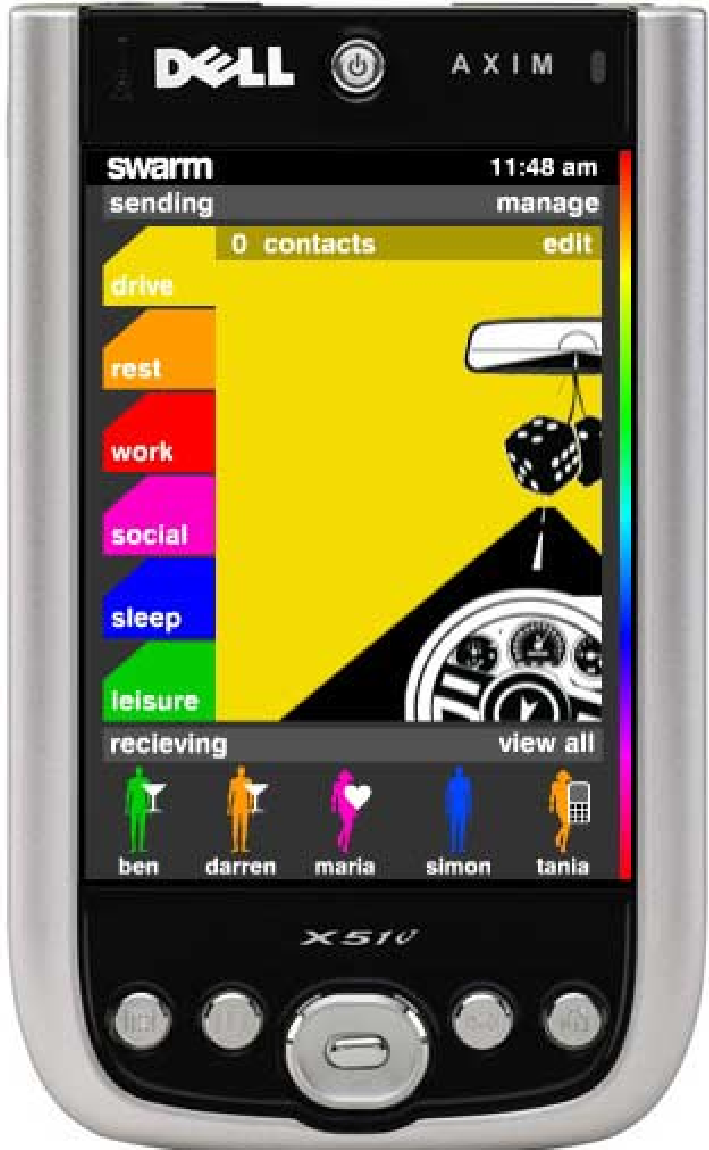 Figure 1: The Swarm UI. Unlike static contact lists, it uses activity-based avatars to provide "social context" for contacts.
Methodology Detail: The Virtual Lounge Room
The Swarm introduced the concept of the "Virtual Lounge Room." Instead of a simple "Online/Offline" status, users created avatars that updated based on activity.
- The Innovation: You could project a "Work" avatar to your boss while simultaneously projecting a "Social" avatar (e.g., drinking at a pub) to your close friends.
- The "Why": This allows social etiquette to dictate interaction. If a friend sees your avatar has a "heart" (on a date), they know not to call, reducing the "dystopian stranglehold" of unwanted interruptions.
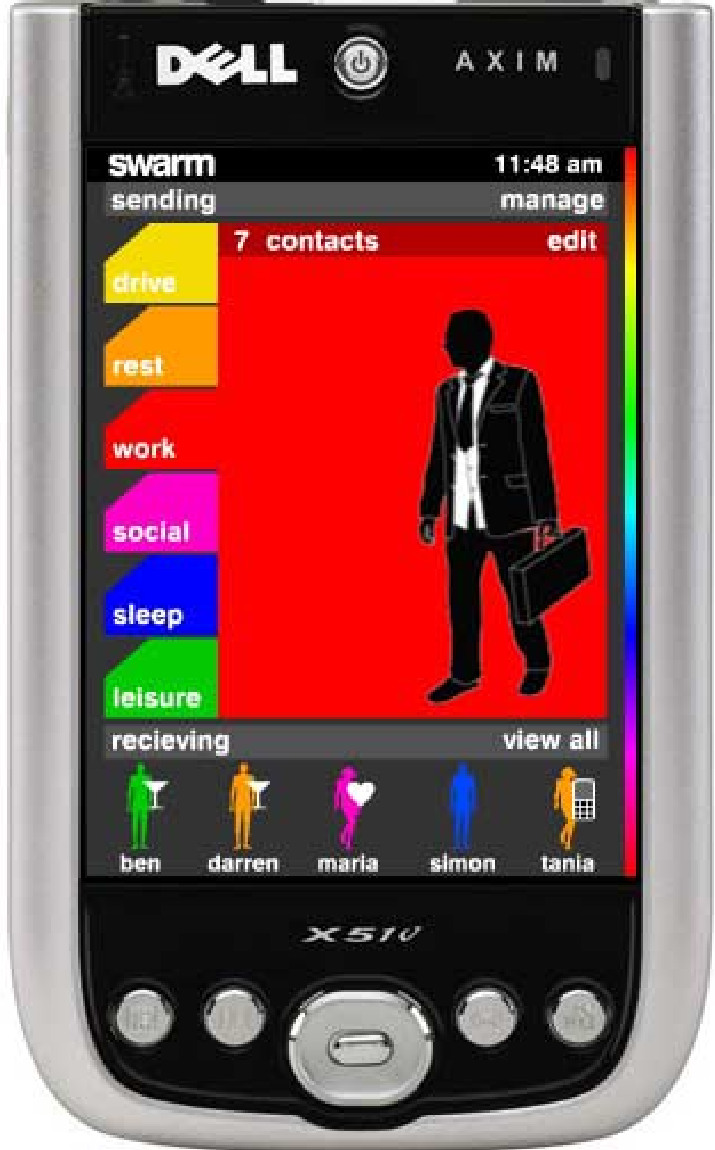 Figure 2: Simultaneous representations. One user, two distinct digital faces.
Experiments & Results: The "Lying" Paradigm
When The Swarm's online version went live, something fascinating happened. The media (The Australian, New Scientist, Yahoo) ignored the "efficiency" of the avatars and focused on one thing: the ability to lie.
Titles like "Mobile Phone Fibs Make Life a Beach" proliferated. While a traditional usability expert might see "facilitating lying" as a flaw, the author views it through the lens of Critical Technical Practice. In a post-9/11 world of heightened surveillance, "the lie" is actually a user’s way of asserting agency and reclaiming privacy.
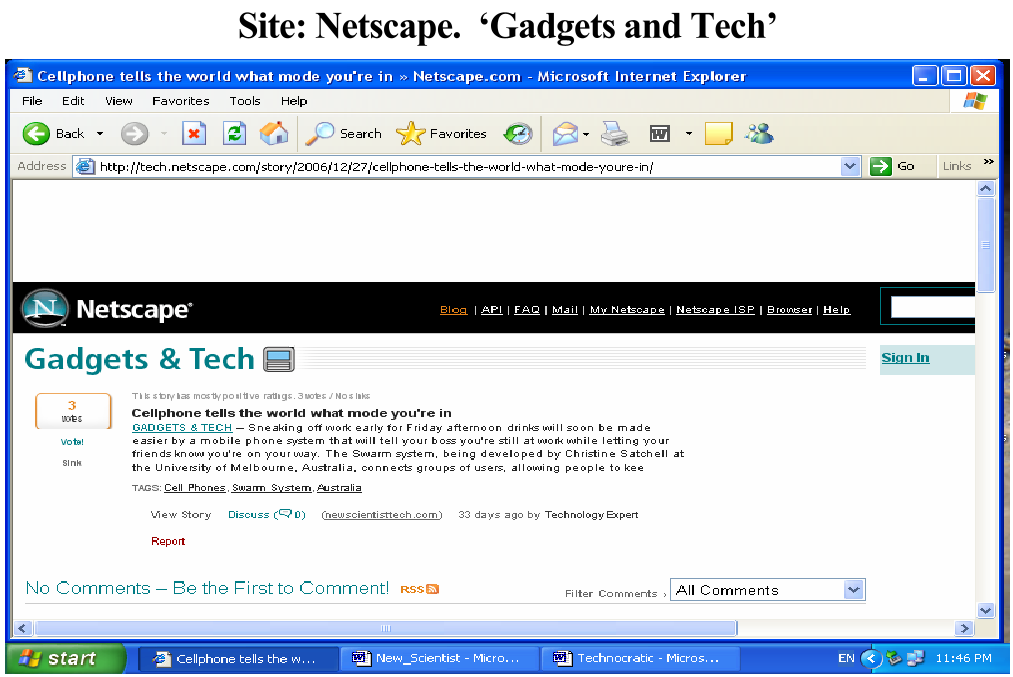 Figure 3: Media clippings highlighting the "subversive" appeal of the design.
Critical Analysis & Conclusion
The Swarm study proves that the "creative leap" from data to design requires a philosophical bridge. By taking "Cultural Theory from the armchair to the stage," Satchell demonstrated that:
- Identity is Fluid: Systems must support multiple, simultaneous personas.
- Privacy is Active: Users don't want to be "hidden"; they want to "choose what is revealed."
- Subversion is a Feature: If a technology feels slightly "rebellious," it often aligns better with the values of the youth subcultures that drive mainstream adoption.
Future Outlook: This work predated the rise of "Stories" and "Finstas" (fake Instagrams), effectively predicting the multi-faceted, performance-based nature of modern social media. It serves as a blueprint for any designer working in "sensitive settings" where human values outweigh technical bits.