
Beyond Profit: A Data Mining Lens on Sustainable Entrepreneurship in Polish SMEs
Data Mining Approach in Evaluation of Sustainable Entrepreneurship
The paper utilizes a data mining approach, specifically K-means clustering via the Orange platform, to evaluate the implementation of sustainable entrepreneurship in 410 Polish SMEs. It categorizes enterprises based on their ecological and social goal attainment, identifying five distinct behavioral clusters.
TL;DR
Sustainable entrepreneurship is no longer a luxury but a competitive necessity. This study employs K-means clustering to dissect how 410 Polish SMEs actually perform regarding social and ecological goals. The findings are a wake-up call: while social "niceties" are common, deep ecological commitment is rare, and many firms suffer from a "sustainability delusion"—believing they are green when the data suggests otherwise.
The "Profit-Only" Blind Spot
Historically, entrepreneurship was measured by the bottom line. However, the modern market demands a "Triple Bottom Line" approach. The problem is that while many SMEs claim to be sustainable, there is a lack of empirical evidence showing their specific behavioral patterns. This paper seeks to move past self-reported labels to discover the underlying structures of enterprise behavior using data mining.
Methodology: Clustering the Patterns of Sustainability
The researchers utilized a survey tracking two primary indicators: WE (Ecological Goals) and WS (Social Goals).
To process the data, they employed the Orange Data Mining toolbox. Specifically:
- K-means Algorithm: Used to group firms into 5 clusters based on similarities in their goal implementation.
- Silhouette Score: Applied to determine the optimal number of clusters (ensuring that objects within a cluster are similar to each other and different from other clusters).
- MDS (Multidimensional Scaling): Used for visualization to confirm that the clusters were homogeneous.
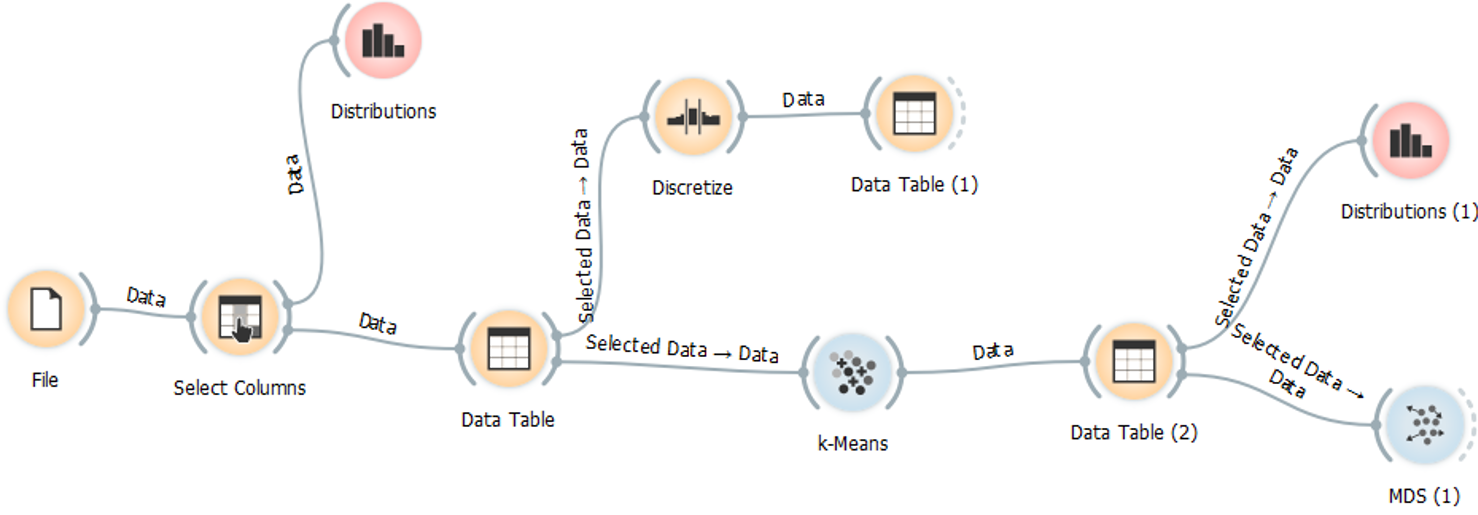 Figure 1: The Data Mining workflow from survey collection to semantic interpretation.
Key Results: Five Archetypes of Enterprises
The clustering revealed a spectrum of maturity:
- Cluster C5 (14%) - The Leaders: High performance in both ecological and social dimensions.
- Cluster C2 & C3 (56%) - The Specialized: Focusing on either green initiatives or social welfare, but rarely both.
- Cluster C4 & C1 (30%) - The Laggards: Poor implementation across the board.
The Sustainability Delusion
One of the most striking findings is the gap between perception and reality. In the laggard group (C4), 50% of owners claimed they followed sustainable practices, despite their data showing almost zero effective implementation of ecological or social goals.
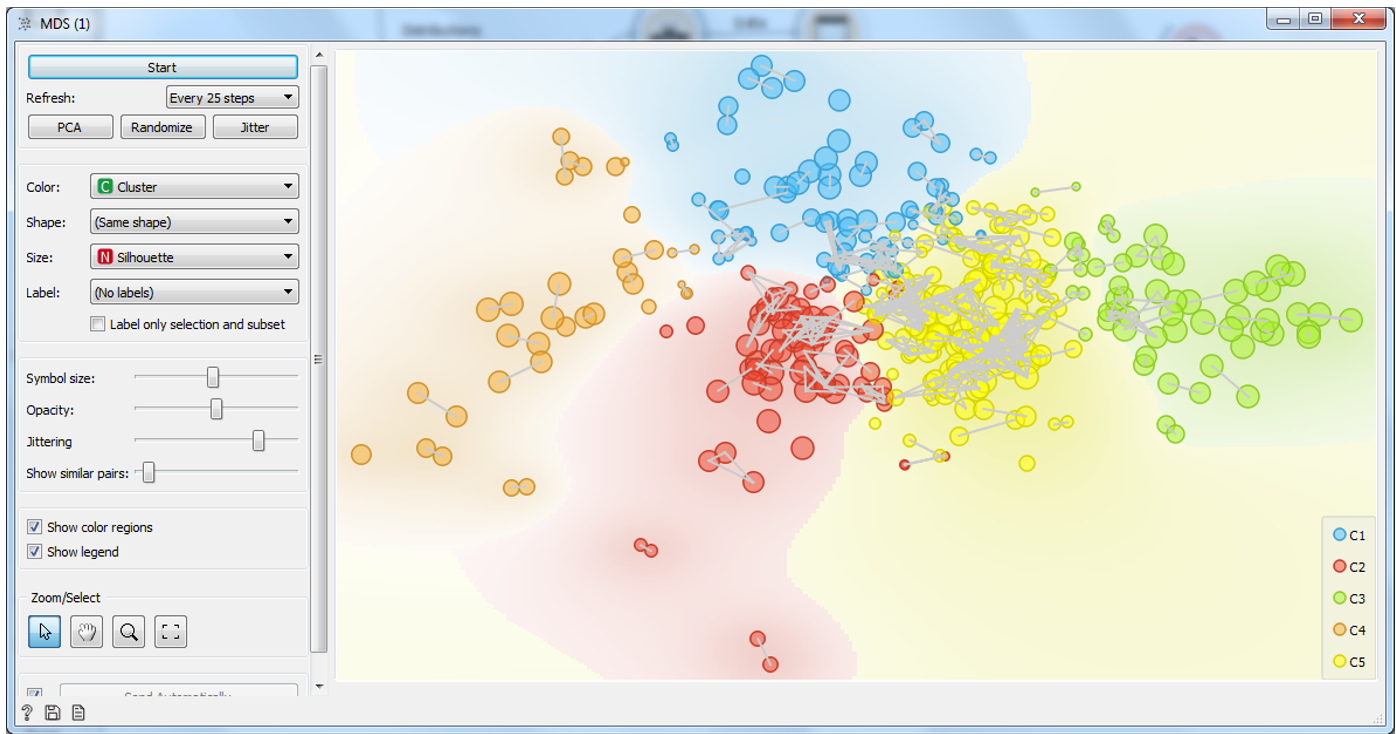 Figure 2: MDS visualization showing the clear separation of enterprise clusters based on their maturity.
Deep Dive: The Ecological Wall
The data reveals that Ecological Goals (WE) are much harder for SMEs to achieve than social ones.
- Renewable Energy (WE.1): Even in the "Leader" cluster (C5), over 50% struggled with implementing renewable energy sources.
- Water Management (WE.13): This was identified as a major technical and regulatory bottleneck.
- Social Ease: In contrast, social goals like "Safety in the workplace" (WS.5) and "Friendly atmosphere" (WS.8) saw nearly 100% positive implementation among leaders.
Critical Insight & Conclusion
The study highlights that "Sustainable Entrepreneurship" in Poland is currently more of a social movement than an environmental one. SMEs find it relatively easy to be "good employers" (social) but find the transition to being "earth-friendly" (ecological) prohibitively difficult, likely due to a combination of high costs and a lack of legislative incentives.
Takeaway for the Industry: For real progress, we must move beyond the "perception" of being green. Policymakers need to lower the barrier for ecological tech (like water-saving and renewable energy) because SMEs have the will for social sustainability, but they are hitting a financial and regulatory wall when it comes to the environment.
Future Work: The authors suggest investigating the specific industry-level factors that drive these behaviors—asking not just what they do, but what prompts them to change.