
Unlocking the Silent Majority: The Science of Delurking in Social Networks
Delurking and Influence Maximization in Online Social Networks
This paper explores the phenomenon of "lurking" in Online Social Networks (OSNs) and presents a comprehensive taxonomy of delurking mechanisms. It primarily focuses on transforming silent users (approx. 90% of OSN populations) into active contributors using Influence Maximization (IM) techniques and incentive-based strategies like gamification and blockchain.
TL;DR
In any given Online Social Network (OSN), roughly 90% of users are "lurkers"—silent observers who consume content without ever posting. This paper identifies the systemic risks of ignoring this "silent majority," such as skewed data and the proliferation of fake news. It proposes a technical roadmap for delurking through Influence Maximization (IM) and behavioral incentives like gamification and blockchain-based rewards.
Context: The Crisis of the "90-9-1" Rule
Most social media platforms operate under a stark principle of inequality: 1% create the content, 9% interact occasionally, and 90% remain invisible. This isn't just a marketing problem; it's a data integrity crisis. When 90% of the network is silent:
- Fake News Dominance: Without a diverse distribution of opinions, extremist or false content faces less "natural" resistance.
- Skewed Predictions: Election forecasts often fail because they only mine data from the vocal 10%, missing the actual sentiment of the silent majority.
- Information Silos: Lurkers possess "cultural capital" (knowledge of the community) that never gets recycled back into the ecosystem, reducing the platform's overall value.
Methodology: Why Do Users Lurk?
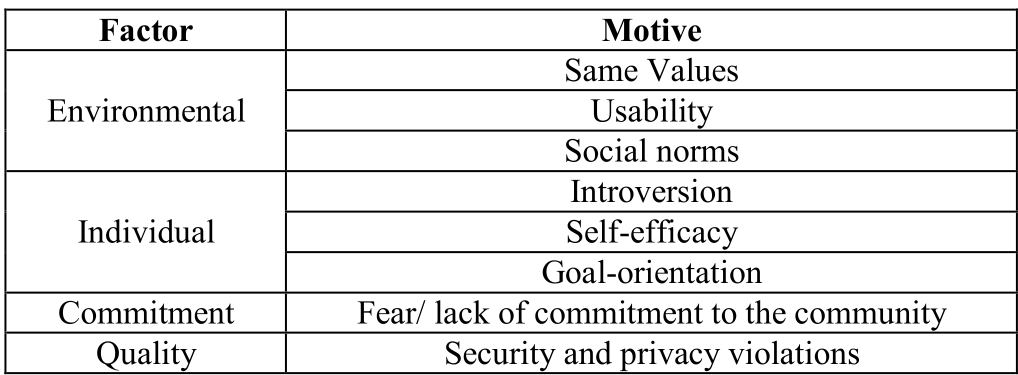
Before we can "delurk" them, we must understand the friction. The authors categorize lurking motives into a clear taxonomy:
| Factor | Specific Motive |
|---|---|
| Environmental | Poor usability, lack of group identity, or rigid social norms. |
| Individual | Introversion, low self-efficacy (feeling one has nothing valuable to add). |
| Commitment | Fear of the social cost of public interaction. |
| Quality | Privacy concerns and security violations. |
The Core: Two Pathways to Activation
1. Influence Maximization (IM)
The paper shifts the focus of IM from "spreading a viral meme" to "activating a silent node."
- DEvOTION (Delurking-oriented Targeted Influence Maximization): This approach suggests that the best users to engage a lurker are often outside the lurker's immediate community. By using Boundary Spanning Theory, the system identifies "bridges" that can pull a lurker into a new, more engaging context.
- Model Efficiency: Traditional models often activate only ~53% of nodes. New algorithms like Selective Breadth First Traversal can reach up to 93% by assigning weights to specific social interactions rather than treating all connections as equal.
2. Rewarding and Gamification
If the barrier to entry is psychological, the solution must be behavioral.
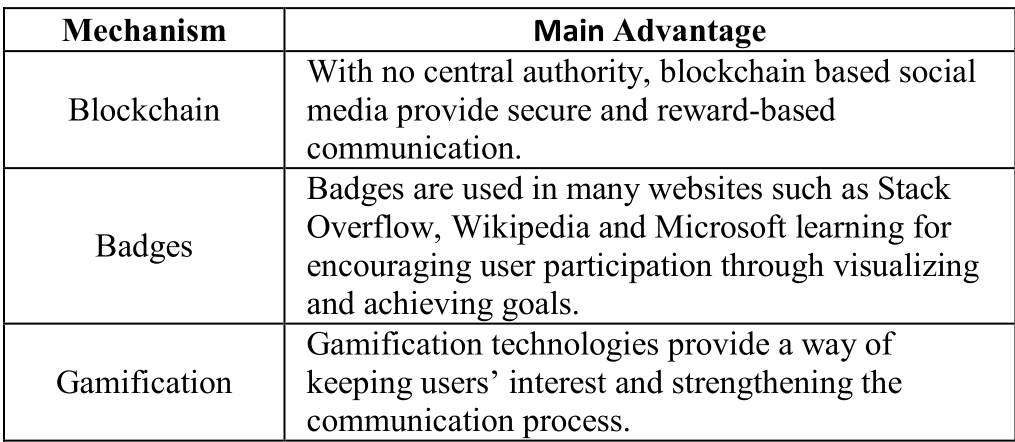
- Blockchain Incentives: Platforms like HELIOS use Daily Reward Pools to issue tokens for activity, effectively paying users for their data and "proof of contribution."
- Virtual Badges: Based on the success of Stack Overflow and Wikipedia, the paper notes that users will perform significant work for "insignificant" digital signals.
- Gamification Survival: Evidence showed that when an organization removed the gamification features from its internal social network, participation plummeted within weeks, proving that these "nudges" are essential for maintaining the community's vitals.
Critical Insight & Future Outlook
The most profound takeaway is that lurking is a situational disposition, not a permanent trait. A user might be a lurker in a political thread but a "top contributor" in a gaming forum.
Future Challenges:
- Trust & Anonymity: How do we incentivize delurking without compromising the privacy that lurkers clearly value?
- Hybrid Modeling: Future systems must account for "heterogeneity of interests"—predicting what topic will finally move a silent user to hit the "reply" button.
Conclusion
Delurking is the next frontier of Social Network Analysis. By moving beyond the vocal minority, OSN operators can build more resilient, representative, and valuable communities. Whether through the decentralized transparency of blockchain or the surgical precision of Influence Maximization, turning "watchers" into "doers" is the key to a healthier digital public square.