
Democratizing Platforms: From Surveillance Monopolies to a Generative "Platform Ocean"
Democratizing Platforms for Social Coordination
The paper proposes a "meta-platform" for social coordination to democratize social media, moving beyond the current oligopoly of centralized platforms. By drawing inspiration from the generative architecture of Minecraft and the multi-agent simulator PreSage-2, the authors suggest a decentralized ecosystem where users self-configure their own interoperable platforms using open standards.
Executive Summary
TL;DR: This paper argues that the era of centralized social media "monopolies" (Facebook, Twitter, etc.) has stifled social innovation and created dangerous power imbalances. To fix this, the authors propose a generative meta-platform—a system that allows users to build their own custom, self-governing social spaces that are fully interoperable, much like how Minecraft servers or the Fediverse operate.
Background Positioning: This work sits at the intersection of Socio-Technical Systems and Digital Democracy. It moves beyond simple criticism of "surveillance capitalism" by providing a blueprint for a technical alternative where "social process is code."
The Core Problem: The Restraint of Generativity
Traditional software, like the personal computer or the early Internet, was generative—it allowed users to build tools the original creators never imagined. Modern social media has killed this.
- Asymmetric Power: A few transnational corporations own the means of social coordination, leading to "surveillance capitalism."
- Functionality Gaps: If a community wants to organize a local food co-op or a deliberative assembly, they often find that standard social media lacks the specific roles, rules, and tools needed.
- The "Login" Trap: Using social media IDs for third-party apps consolidates data ownership in the hands of the few, creating a "monopoly of identity."
Methodology: The Meta-Platform Blueprint
The authors suggest a solution inspired by the Minecraft ecosystem. Instead of one central server, there should be an open-source meta-platform that provides:
1. Generative Architecture
Just as players can host their own Minecraft servers with unique "mods," this meta-platform allows communities to host their own social instances.
- Plug-in Framework: Essential services are "plugged in" based on the community's needs (e.g., voting modules, resource allocation).
- Layered Design: Inspired by PreSage-2, the architecture separates core communication services from the specific social "rules" of the group.
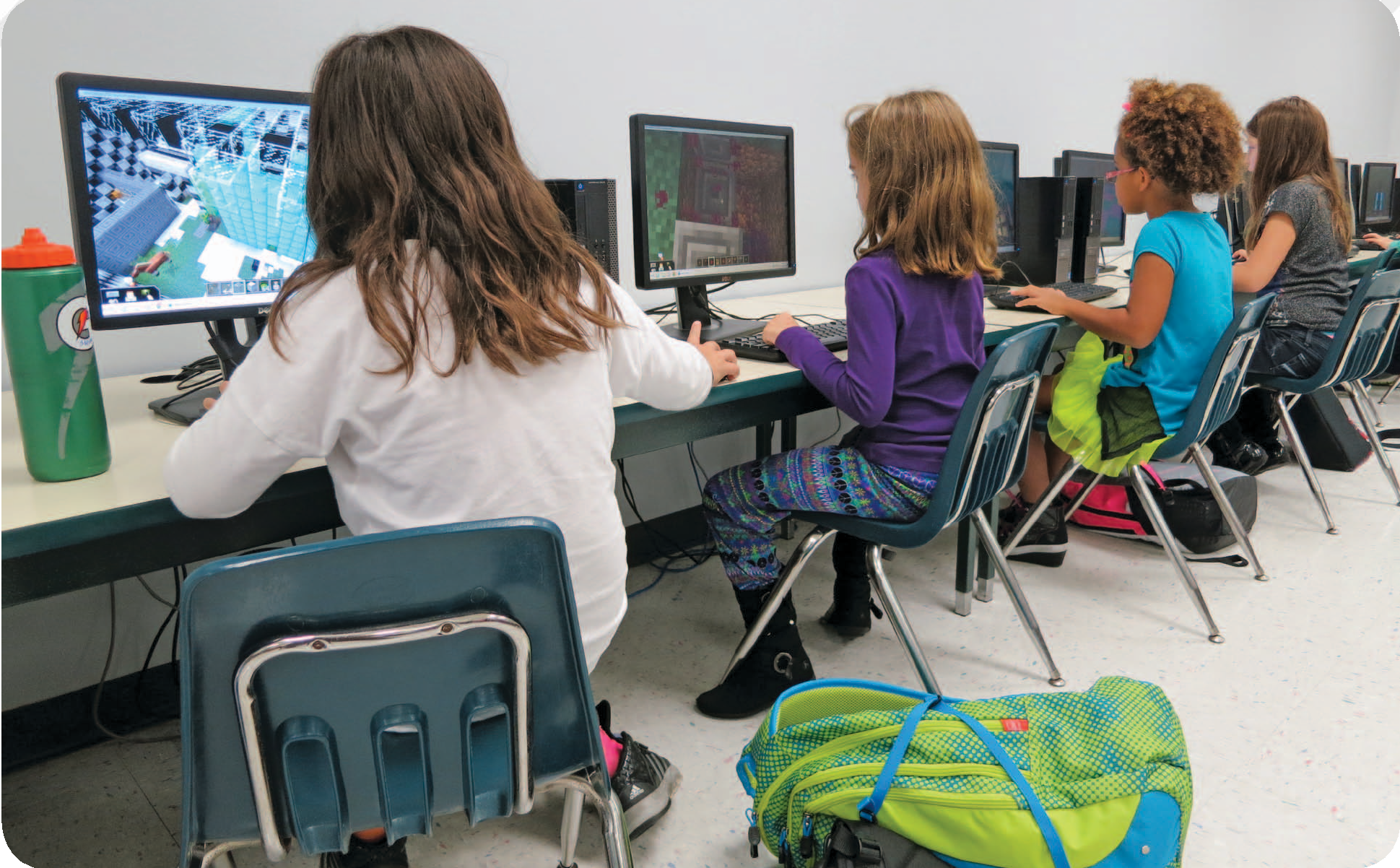 (Note: This represents the current socio-technical ecosystem the authors seek to transform.)
2. Codification of Social Knowledge
The authors argue we must bake Nobel-prize-winning social science directly into the code.
- Ostrom’s Principles: Implementing the 8 principles for "Governing the Commons" to handle collective action and resource sharing.
- Algorithmic Self-Governance: Users aren't just subjects of the algorithm; they are its designers. They choose the rules for role assignment, monitoring, and dispute resolution.
- Attribute-Based Identity: A shift from "Who are you?" to "What do you have the right to do?" This allows for trust without invasive profiling.
The "Platform Ocean" Ecosystem
The goal is not to build one "Facebook Killer." Instead, it is to create a Digital Innovation Ecosystem—effectively a "Platform Ocean."
- Hyper-connectivity: Platforms within the ocean link together using standard APIs, allowing a user to navigate from a school platform to a local government platform seamlessly.
- Resistance to Buyout: A decentralized ecosystem is significantly harder to acquire or destroy than a single company.
- Social Entrepreneurship: Small-scale entrepreneurs can use the "deep social knowledge" embedded in the platform to compete with large corporations.
Critical Insight: Why This Matters
The most profound takeaway is the concept of "Social Process as Code." In most currently "decentralized" projects (like many Web3 initiatives), the focus is purely on the ledger or the currency. Pitt et al. shift the focus back to the human social process.
Limitations
- Technical Literacy: Deploying and managing servers (even with simplified tools) still presents a barrier compared to "one-click" sign-ups on centralized platforms.
- Governance Subversion: How do we prevent these decentralized "bubbles" from becoming echo chambers or hosting illegal content without a central moderator?
Conclusion
The democratization of social platforms isn't just about privacy—it's about reclaiming the ability for humans to coordinate, innovate, and thrive without being harvested for data. By building an "institutional infrastructure" that is fit for the digital age, we can transition from being products of a platform to being participants in an ecosystem.
(Placeholder for Figure illustrating the transition from centralized monopoly to decentralized ecosystem)