
Designing for the "Invisible": How Participatory Design Can Bridge the Digital Divide
Designing Inclusive Social Networks: A Participatory Approach
This paper presents a Participatory Design (PD) approach to creating Inclusive Social Networks (ISN) specifically tailored for diverse and digitally excluded populations. By integrating techniques like Group Elicitation Method (GEM) and BrainDraw, the authors developed the "Vila na Rede" system, which supports accessibility for illiterates, elderly users, and people with disabilities.
TL;DR
Standard tech design often assumes a literate, tech-savvy user. This paper breaks that mold by presenting a Participatory Design (PD) framework for Inclusive Social Networks (ISN). Developed in Brazil, the project "Vila na Rede" focuses on users often left behind—the elderly, the functionally illiterate, and those with disabilities—by co-creating the platform's very identity and interface with them.
Background & Motivation: Beyond One-Size-Fits-All
In developing nations like Brazil, digital exclusion isn't just about "lack of hardware." It’s a complex tapestry of functional illiteracy (affecting ~26% of the population) and physical impairments (~14.5%). Current social networks (Facebook, LinkedIn, etc.) are built for diversity of content, but not diversity of interaction.
The authors argue that standard accessibility (like screen readers) isn't enough. We need systems that respect the Social Protocol of the community.
Methodology: Designing WITH, not FOR
The researchers didn't just hand out a survey; they used two high-engagement participatory techniques:
- Group Elicitation Method (GEM): A structured "idea-passing" game where researchers, developers, and community members co-developed a conceptual map. Surprisingly, users prioritized Identity, Privacy, and Reputation over specific features like "chat" or "forums."
- BrainDraw: A collaborative sketching exercise where participants (including those who had never used a PC) drew interface layouts. This ensured the UI was rooted in the community's visual language.
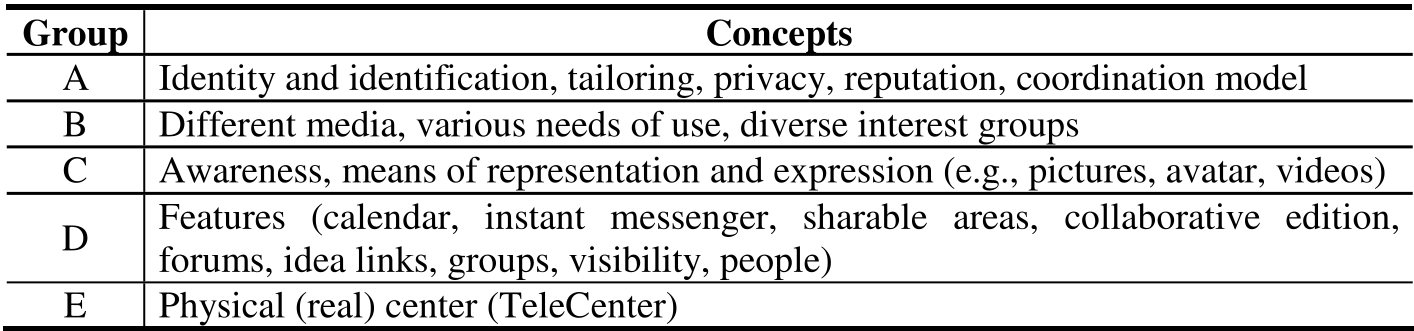 Table 1: Prioritized concepts showing that social values (Group A) outweigh technical features (Group D).
Architecture of Inclusion: The "Vila na Rede" Prototype
The resulting system, Vila na Rede, translates these community sketches into a digital reality. Key features include:
- Multimedia Dominance: Recognizing that text is a barrier, the system uses images, audio, and even Libras (Brazilian Sign Language) for advertisements.
- Meta-Communication: A persistent "Help Avatar" that speaks to the user, guiding them through the interface in a way that feels like a human interaction rather than a technical manual.
- Contextual Awareness: Showing if an advertiser is "present" in real-time to bridge the gap between digital interaction and real-world trust.
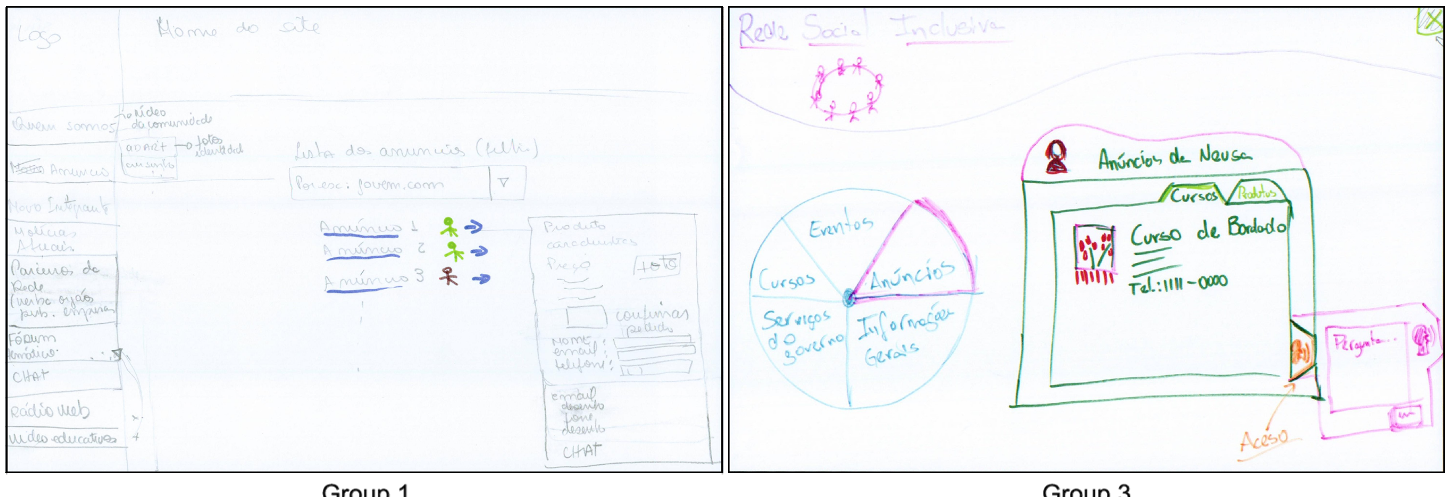 Figure 1: Community-drawn consolidations that informed the final layout.
Experiments & Core Insights
The participatory sessions revealed a fascinating "Pragmatic" layer of design:
- Trust over Tech: Users suggested using phones and physical TeleCenters rather than just emails, reflecting their daily habits.
- Sustainability: Even marginalized communities showed concern for "Website Sponsors," realizing the platform needs a financial model to survive.
- Symbolism: Group G3 drew a logo of people holding hands—a literal representation of the "Inclusive" in ISN.
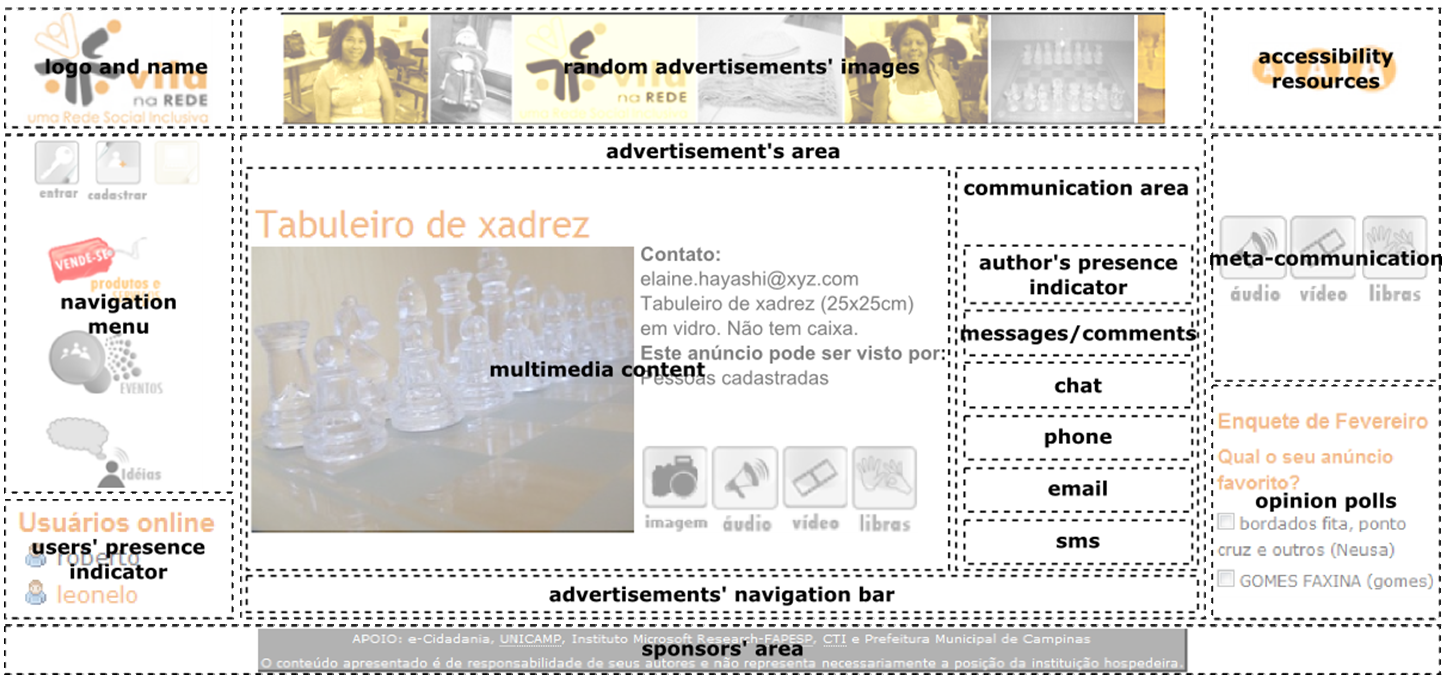 Figure 2: The materialized prototype "Vila na Rede" incorporating community-suggested elements.
Critical Analysis & Conclusion
The paper’s greatest strength is its Human-Centricity. It proves that the "digitally illiterate" are not "innovation-illiterate"; they have clear ideas about privacy and social hierarchy if given the right tools to express them.
Limitations: The study is highly localized to the Brazilian context. Furthermore, while it addresses designing the UI, the long-term moderation and governance of such a decentralized inclusive network remain open research questions.
The Takeaway: If we want to build the "Global Village," we must stop designing for the average and start designing for the edges. Participatory design is the bridge that turns technology into a tool for social justice.