
Analyzing Security Demands: Why Digital Watermarking Matters on Facebook
Analyze the Digital Watermarking Security Demands for the Facebook Website
This study investigates the digital watermarking security demands of Facebook users through a quantitative survey (n=328). It identifies four critical dimensions—Value, Sharing, Protection, and Management—that dictate how digital content providers perceive the necessity of copyright protection technologies.
TL;DR
As social media becomes the primary vehicle for creative output, the risk of unauthorized copying increases. This research analyzes the security demands of Facebook users, revealing that Value, Sharing, Protection, and Management are the four pillars of digital rights. Notably, the study finds that female users and working professionals exhibit the highest demand for copyright protection tools that do not compromise the visual integrity of their content.
Problem & Motivation: The Wild West of Social Media
Digital content—photos, videos, and text—is the lifeblood of the "Community Website" era. However, current platforms often leave users vulnerable to "unlawful use" and content abuse. Traditional Digital Rights Management (DRM) is often viewed as a corporate tool, but this paper shifts the focus to the individual provider.
The researchers identified a psychological gap: Why do some users hesitate to share? The core intuition is that a lack of trust in content security directly suppresses the willingness to share. By understanding the specific needs of different demographics, social platforms can implement better watermarking tools that encourage rather than hinder digital creativity.
Methodology: The Four Pillars of Security
The study constructed a survey based on the characteristics of digital watermarking (Imperceptibility, Robustness, Security, etc.) and mapped them to four user-centric factors:
- Value: Preservation of the original content's worth.
- Sharing: Security during the act of dissemination.
- Protection: Resilience against illegal attacks and copying.
- Management: The presence of easy-to-use copyright tools.
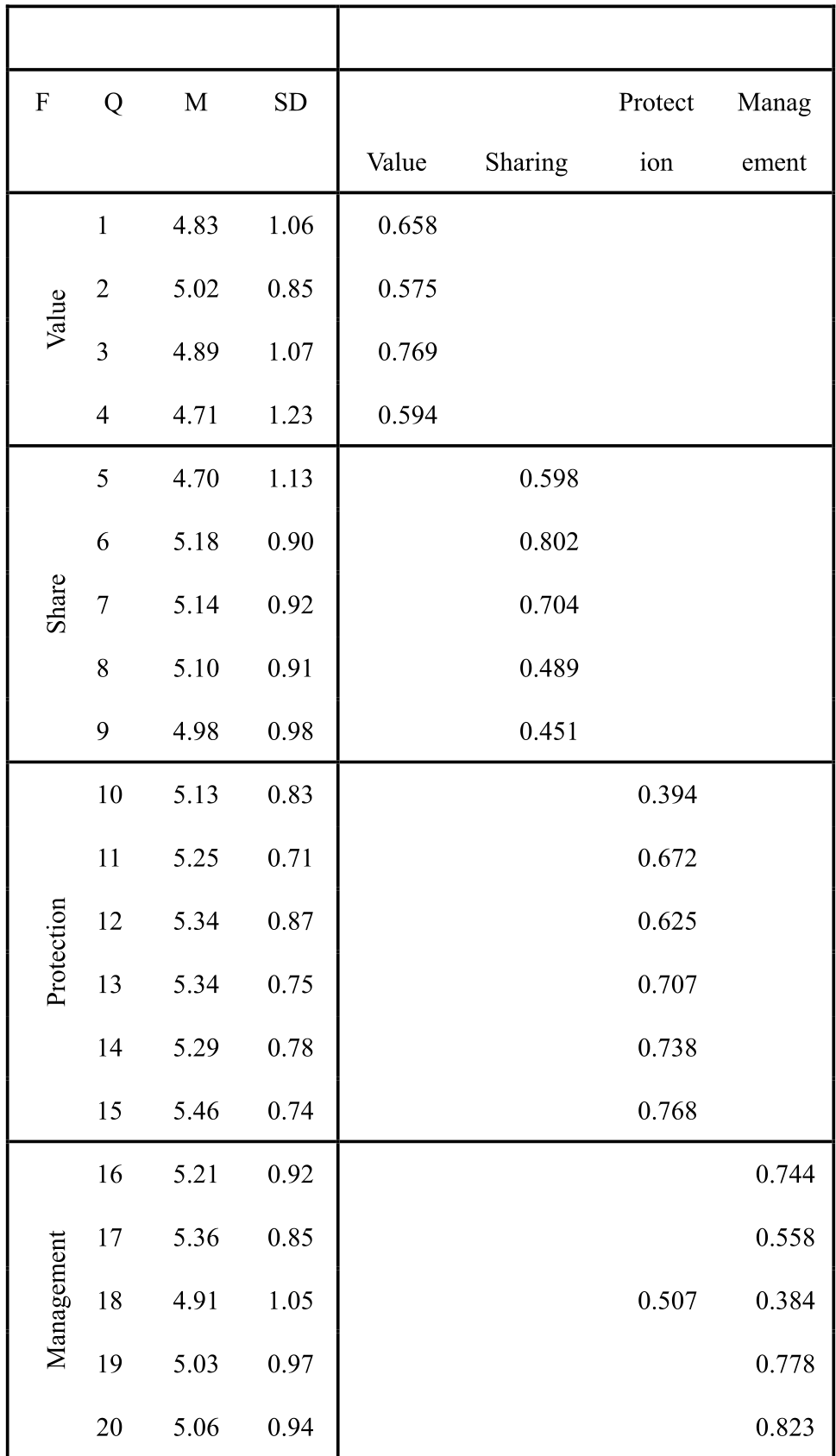
Using SPSS 17 for factor analysis, the authors confirmed that these four factors accurately represent the security landscape for social media users.
Key Insights: Who Needs Protection Most?
The experimental results provided fascinating demographic insights into the "security hunger" of internet users:
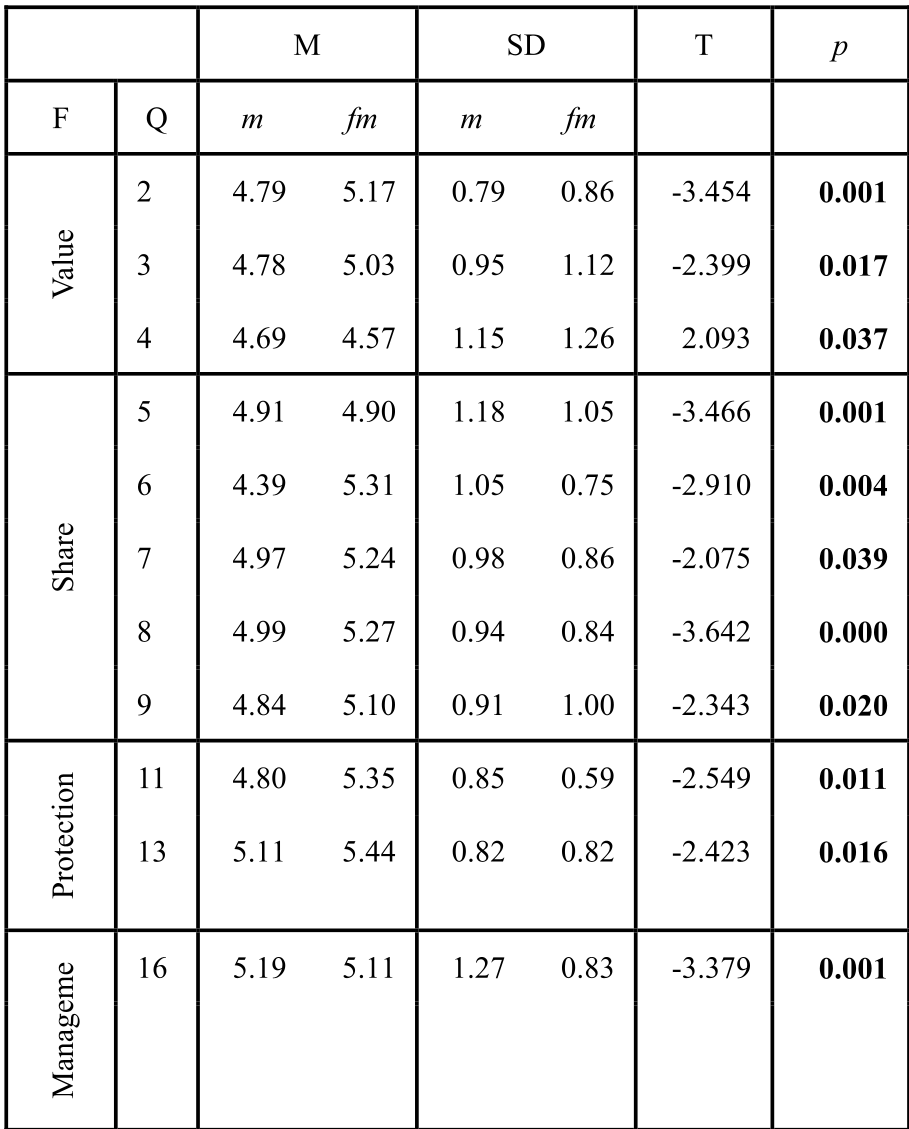
1. The Gender Gap in Security
Female respondents showed significantly higher scores across almost all factors. As frequent content sharers, they are more attuned to the risks of "sharing security" and "content protection."
2. Professionals vs. Students
Working professionals (Workers) exhibited a better understanding of copyright concepts than students. They specifically look for protection that prevents "unlawful attacks" and illegal copying, likely because their content may have higher professional or commercial stakes.
3. The Integrity Paradox
A critical takeaway is that while users want protection, they are unwilling to sacrifice visual integrity. If a watermark is too intrusive or "affects the picture visual sense," providers will simply reject the tool. This highlights the need for invisible (imperceptible) watermarking technologies.
Critical Analysis & Conclusion
This paper successfully bridges the gap between technical watermarking characteristics (like Robustness and Complexity) and human sociology. It proves that DRM is not just a technical hurdle but a social requirement that can "increase the willingness to share."
Limitations: The study primarily focuses on Facebook users in Taiwan (predominantly aged 19-26). Future research should explore these dynamics in the context of AI-generated content (AIGC), where the definition of "creator" and "copyright" is increasingly blurred.
Conclusion: For social media giants, the message is clear: To maintain a vibrant ecosystem of creators, you must provide "invisible" yet "robust" protection tools that satisfy the management needs of your most active users.