
Beyond the Inbox: Unlocking Personal Decision Support via Multi-Source Social Network Extraction
A Dynamic and Task-Oriented Social Network Extraction System Based on Analyzing Personal Social Data
The paper introduces a dynamic, task-oriented social network extraction system that integrates data from multiple personal communication sources like MSN Messenger and E-mails. It leverages Social Network Analysis (SNA) and OpenGL-based visualization to transform latent communication logs into actionable personal decision support tools.
TL;DR
Our personal communication data—thousands of emails and chat logs—is a goldmine of untapped social capital. This paper presents a system that breaks down data silos between E-mail and Instant Messengers (like MSN) to dynamically reconstruct task-oriented social networks. By transforming raw logs into visualized graphs, the system helps users find the "right person" for specific tasks based on historical interaction patterns.
The "Data Silo" Problem in Social Analysis
Social Network Analysis (SNA) is a powerful tool for understanding human relationships, but it suffers from a major bottleneck: data fragmentation.
In the modern digital life, your relationship with a colleague isn't just in your inbox; it’s scattered across chat apps, project management tools, and social media. Most prior works focused on extracting networks from a single source (e.g., just E-mails or just Blog comments). The authors argue that this provides an incomplete "social map," leading to poor decision support.
Methodology: From Raw Logs to Relational Insights
The proposed architecture bridges the gap between raw communication logs and high-level social insights through a two-phase process.
1. The Extraction Pipeline
The system handles diverse formats:
- E-Mails: Extracts fields like
From,To,CC, andSubjectto establish link intensity. - MSN Messenger: Parses XML files to extract
sessionidandmsn-content, identifying not just who talked to whom, but the context of the conversation.
2. Task-Oriented Synthesis
Unlike static social maps, this system is Dynamic. A user can input a keyword (e.g., "Market Research") and parameters (e.g., "Frequency > 5"). The system then queries the database to find all actors associated with that topic and visualizes their relationships.
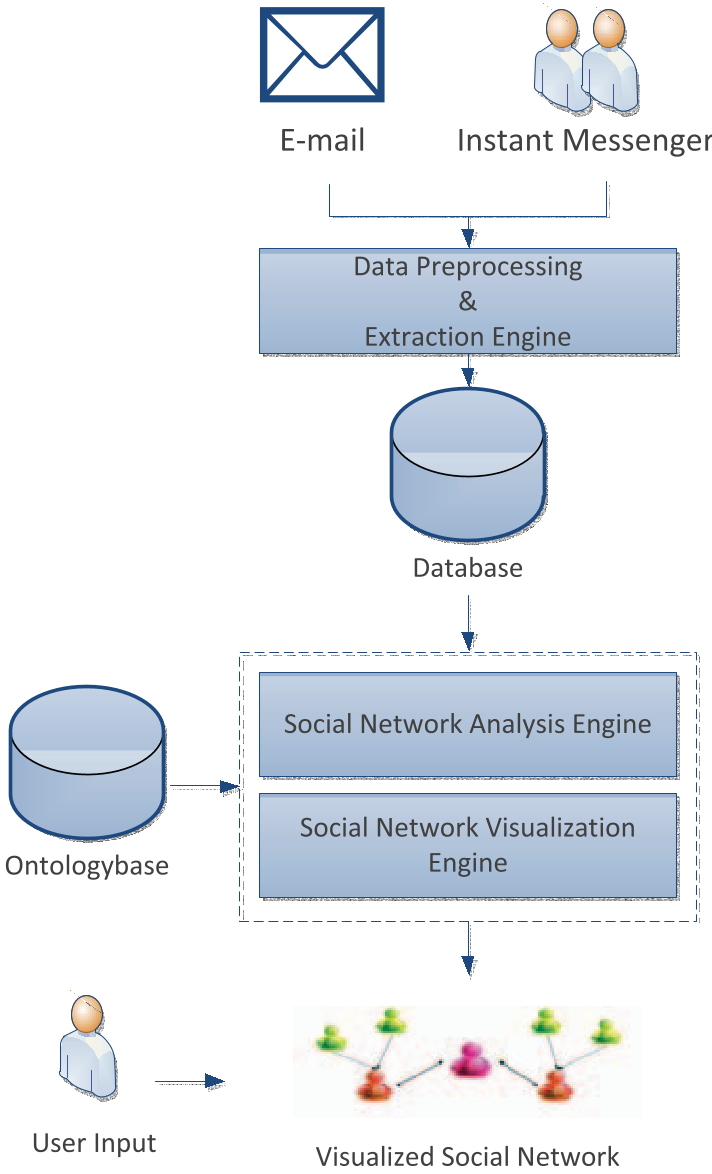 Figure 1: The dual-phase system architecture separating offline collection from online task-specific analysis.
Deciphering the Network: Key Visualizations
The system's core value lies in its visualization engine, which uses OpenGL to render the social graph. The paper highlights two main types of views:
- Ego Network: Centered on a specific person or keyword, showing direct ties and their strengths.
- Whole Network: A macro view of the entire communication ecosystem, revealing "cliques" and "structural holes."
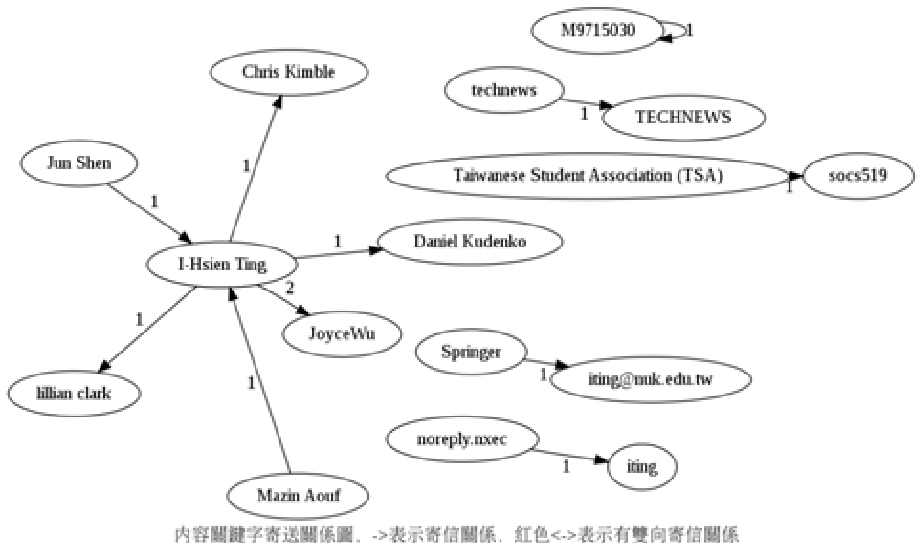 Figure 2: A task-specific social network result showcasing actors clustered around a specific query.
Critical Insight: Why This Matters
The "Task-Oriented" aspect is the real breakthrough here. By integrating an Ontology-base, the system doesn't just look for literal keyword matches; it understands the semantic context. If you are looking for help with a "BBQ party," the system understands that someone you emailed about "red wine" or "grilling" is part of that task-specific social circle.
Summary & Future Outlook
While the paper focuses on older protocols like MSN, the underlying philosophy is more relevant than ever in the era of "Personal AI." As we move toward AI agents that manage our schedules and workflows, the ability to dynamically reconstruct our social graphs across multiple platforms (Slack, Teams, WhatsApp) will be essential.
Limitations: The system relies on local log files, which are increasingly hidden behind proprietary cloud APIs in modern SaaS apps. Future research must address how to securely and privately "hoist" this data from encrypted cloud silos.