
Digital Transformation in Heritage Tourism: The Case of Prešov's Forgotten Monuments
The Use of E-communication in Promoting Selected Religious, Cultural and Historical Monuments in Presov in the East of Slovakia
This paper investigates the effectiveness of e-marketing strategies for religious, cultural, and historical monuments in Prešov, Slovakia. It evaluates the online presence of three key sites—the Calvary, the Evangelical College, and the Orthodox Synagogue—using a specialized e-communication scoring model.
TL;DR
Religious and historical monuments are often the soul of a city's identity, yet they remain invisible in the digital age. This study analyzes prominent landmarks in Prešov, Slovakia, revealing a startling disconnect: while these sites hold immense historical value, their "e-communication" (digital marketing) scores are dangerously low, often failing to utilize basic social media or SEO.
The Visibility Crisis in Heritage Tourism
Slovakia is a nation deeply rooted in religious tradition, yet its monuments are struggling to capture the attention of the modern traveler. The research identifies a critical Motivation Gap:
- Generational Shift: Younger audiences (believers and unbelievers alike) rely exclusively on digital footprints to discover destinations.
- Infrastructure Lack: Existing websites are static, lacking the "synergic effect" of social media, online PR, and user engagement tools.
The authors argue that without a robust e-communication strategy, these "authentic legacies" risk becoming relics of the past rather than living centers of community and tourism.
Methodology: The E-Communication Audit
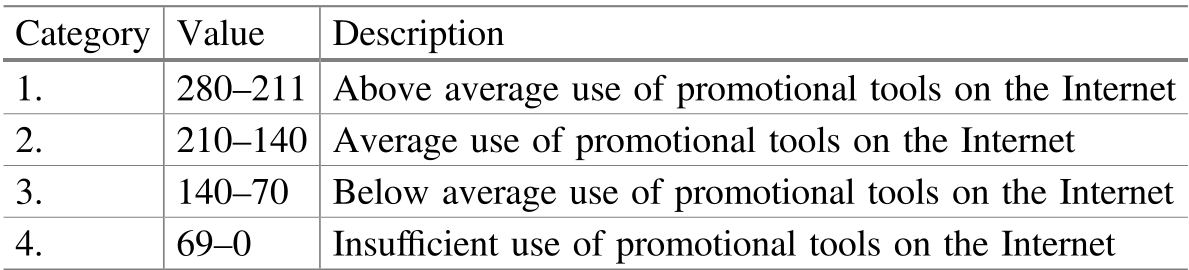
To quantify this digital failure, the researchers implemented a scoring model based on four critical dimensions:
- Applied E-tools (160 pts): Presence on Facebook, YouTube, usage of PPC, e-mailing, and PageRank.
- Information (40 pts): Essential data like history, opening hours, and contact info.
- Services (40 pts): Connection to local catering and accommodation.
- Graphics (40 pts): Visual impact and user-friendliness.
Case Studies: A Digital "Grand Tour" of Prešov
The study focused on three iconic sites, each representing a different religious and architectural tradition.
1. Calvary - St. Cross Church
A Baroque masterpiece from the 18th century. Despite its beauty, it scored only 20 out of 160 points for e-tool application. While it performed decently in describing nearby services, it virtually ignored the potential of social networks to invite visitors.
2. Evangelical College
Established in 1665, this site is a cornerstone of Slovak intellectual history. However, its digital score was the lowest among the three, hitting a dismal 1.88% in e-tool usage.
3. The Orthodox Synagogue
An architectural marvel in Moorish style. While it excelled in providing historical information (65%), it completely failed to integrate service information (0/40), making it difficult for tourists to plan a full visit.
Deep Insight: Beyond Information to Engagement
The core finding is that Information is not Communication. Most analyzed sites treat the internet as a digital brochure (Static Information) rather than a conversation (E-communication).
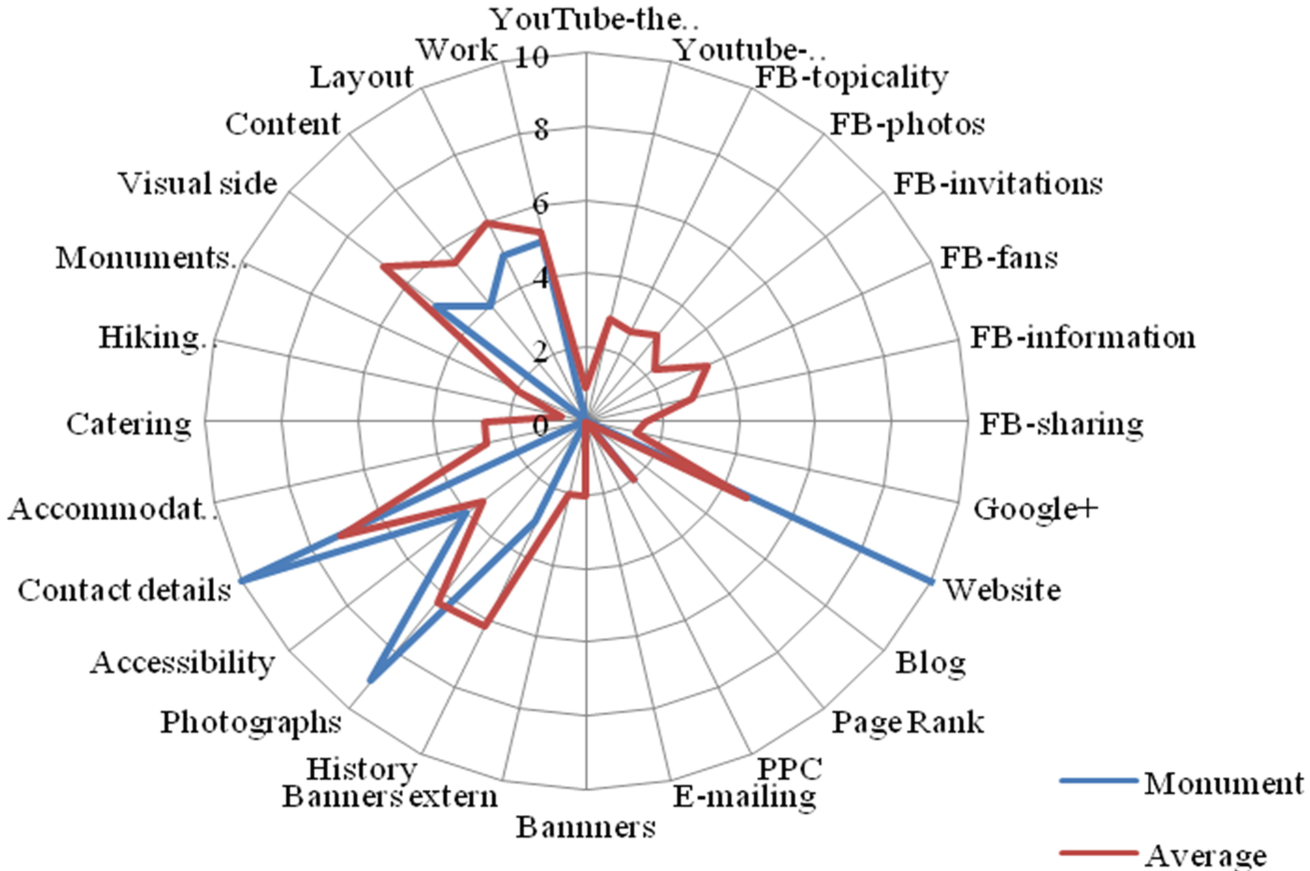
The spider graphs in the study (like Graph 3 above) illustrate a recurring pattern: monuments have "Information" but lack "E-tools." They exist online, but they do not reach out.
Key Limitations Identified:
- Static Content: Lack of video content (YouTube) and interactive invitations.
- Isolated Sites: Failure to link the monument with the local economy (accommodation/food).
- Social Media Absence: Minimal use of Facebook for community building or real-time updates.
Conclusion & Future Outlook
The study concludes that for religious monuments to survive as tourism destinations, they must adopt an Integrated Marketing Mix. This involves moving beyond "preservation" and toward "active promotion."
For heritage managers, the takeaway is clear: A monument's value is no longer just in its stones, but in its digital visibility. Future research should explore how AI-driven chatbots and virtual tours could further bridge this gap, allowing remote "e-pilgrims" to experience these Slovak treasures.