
Predicting Engineering Attrition: High-Accuracy Dropout Analysis at UnB Brazil
Educational Data Mining: Analysis of Drop out of Engineering Majors at the UnB - Brazil
This paper explores the factors behind student attrition in engineering majors at the University of Brasilia (UnB) using Educational Data Mining (EDM). By comparing GLM, GBM, and Random Forest models, the authors identified that Generalized Linear Models (GLM) achieved an accuracy of 86.56% in predicting student dropout.
TL;DR
Researchers at the University of Brasilia (UnB) utilized ten years of student data (2009–2019) to build a predictive model for engineering student attrition. By integrating socio-economic factors like the geographical distance to campus with academic performance, the study deployed a Generalized Linear Model (GLM) that predicts dropout with 86.56% accuracy, forecasting a concerning 57% attrition rate for currently active students.
Contextual Positioning
This work sits at the intersection of Educational Data Mining (EDM) and institutional policy-making. While many EDM papers focus on "black-box" deep learning for performance prediction, this study prioritizes interpretability and novel features (like geocoding zip codes) to provide actionable insights for university administrators.
The Hidden Drivers of Attrition
The "why" behind student dropout is rarely just about bad grades. The authors identified a significant gap in prior literature regarding:
- Geographical Friction: Does a 40km commute impact retention?
- Administrative Red Flags: Do multiple requests for a "leave of absence" (qtLeaveAbsenceMajor) signal a higher risk than a single failed exam?
- Demographic Vulnerability: The unique challenges faced by international and naturalized students.
Methodology: Beyond Standard Performance Metrics
The researchers followed the CRISP-DM (Cross Industry Process Model for Data Mining) framework. They processed data from 5,289 former students and 3,071 active students.
A standout feature of the methodology was the use of GEOCODE software to convert ZIP codes into latitude and longitude, allowing for the calculation of Euclidean distance between a student's home and the Darcy Ribeiro campus.
Model Architecture and Comparison
The study compared three primary algorithms within the H2O Sparkling Water environment:
- Generalized Linear Model (GLM): Selected for its high AUC and interpretability.
- Gradient Boosting Machine (GBM).
- Random Forest (RF).
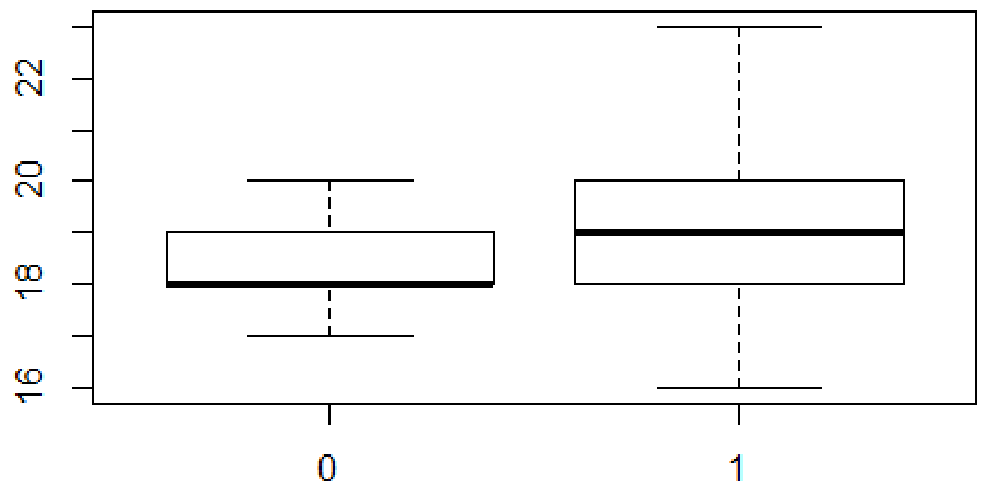 Fig 1: AUC Comparison showing GLM as the superior predictor for this dataset.
Key Findings and Interpretations
The GLM coefficients provided a clear map of risk factors. Positive coefficients (POS) indicate a higher likelihood of dropout:
- Physics 1 & Calculus 1: Failing these introductory courses more than twice is a massive predictor of eventual attrition.
- International Students: Showed a strong positive correlation with dropout, suggesting a need for specialized integration programs (e.g., Portuguese language support).
- Age Factor: Older students (incomingAge) tend to drop out more frequently, likely due to the dual pressure of work and family life.
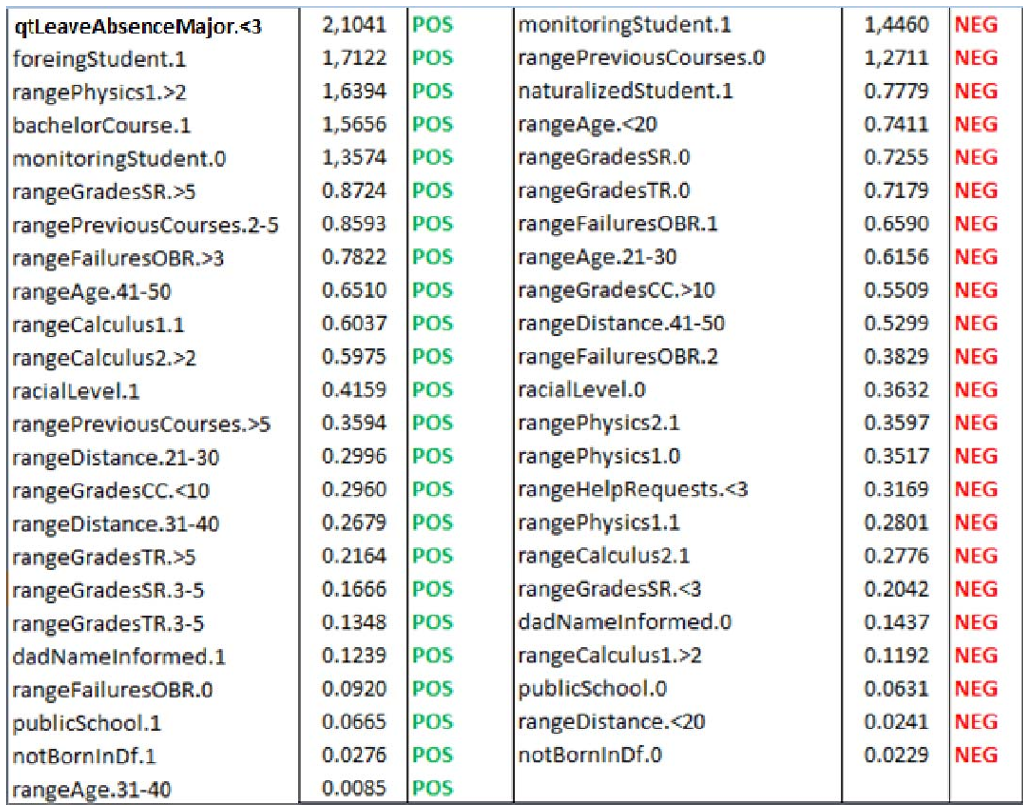 Fig 2: Coefficient analysis identifying factors like "foreingStudent" and "rangePhysics1" as high-risk indicators.
Experimental Results
With a final accuracy of 86.56% on the test set, the model proved robust. The confusion matrix revealed that the model is particularly effective at identifying students who will graduate (0.129 error rate for graduates), while being slightly more conservative with dropout predictions.
Critical Insight & Future Outlook
The most striking takeaway is the 57% predicted dropout rate for the current cohort. This is a call to action. The study suggests that "rare" variables—specifically those related to a student's life outside the classroom (distance, housing aid)—are just as critical as academic transcripts.
Limitations: The study currently only uses ZIP codes within the Federal District. Future iterations could benefit from a wider geographical range and the use of a Hadoop cluster to handle larger datasets via Sparkling Water to further refine these predictive "early warning systems."