
Master the Social Shift: A Strategic Blueprint for Digital Marketing Planning
Effective Social Media Marketing Planning – How to Develop a Digital Marketing Plan
This paper presents a structured strategic framework for developing a Social Media Marketing (SMM) plan. It transitions traditional Integrated Marketing Communications (IMC) into the Digital 4.0 era by introducing a 6-step cyclical process focused on aligning social initiatives with corporate objectives.
TL;DR
Social media is no longer a peripheral "add-on" to traditional marketing; it is the new frontier of Integrated Marketing Communications (IMC). This paper, authored by Marc Oliver Opresnik, provides a rigorous 6-step roadmap to transform social media chaos into a structured, high-ROI business engine. It moves us from "Posting for Likes" to "Planning for Profit."
Strategic Positioning: This is a foundational methodology paper that bridges the gap between traditional academic marketing principles and the volatile requirements of Web 2.0/4.0 environments.
The "Broken" Paradigm: Why Social Media Fails Without a Plan
The explosion of blogging, podcasting, and social networking has decentralized the power of the brand. Consumers are no longer passive receivers; they are active broadcasters. The author argues that the "Traditional Communications Paradigm"—which relies on a static promotional mix—is obsolete.
The core problem? Lack of Consistency. Without a structured plan, social media efforts become disconnected from corporate goals, leading to wasted resources and an inability to track the true Return on Investment (ROI).
Methodology: The 6-Step Digital Marketing Blueprint
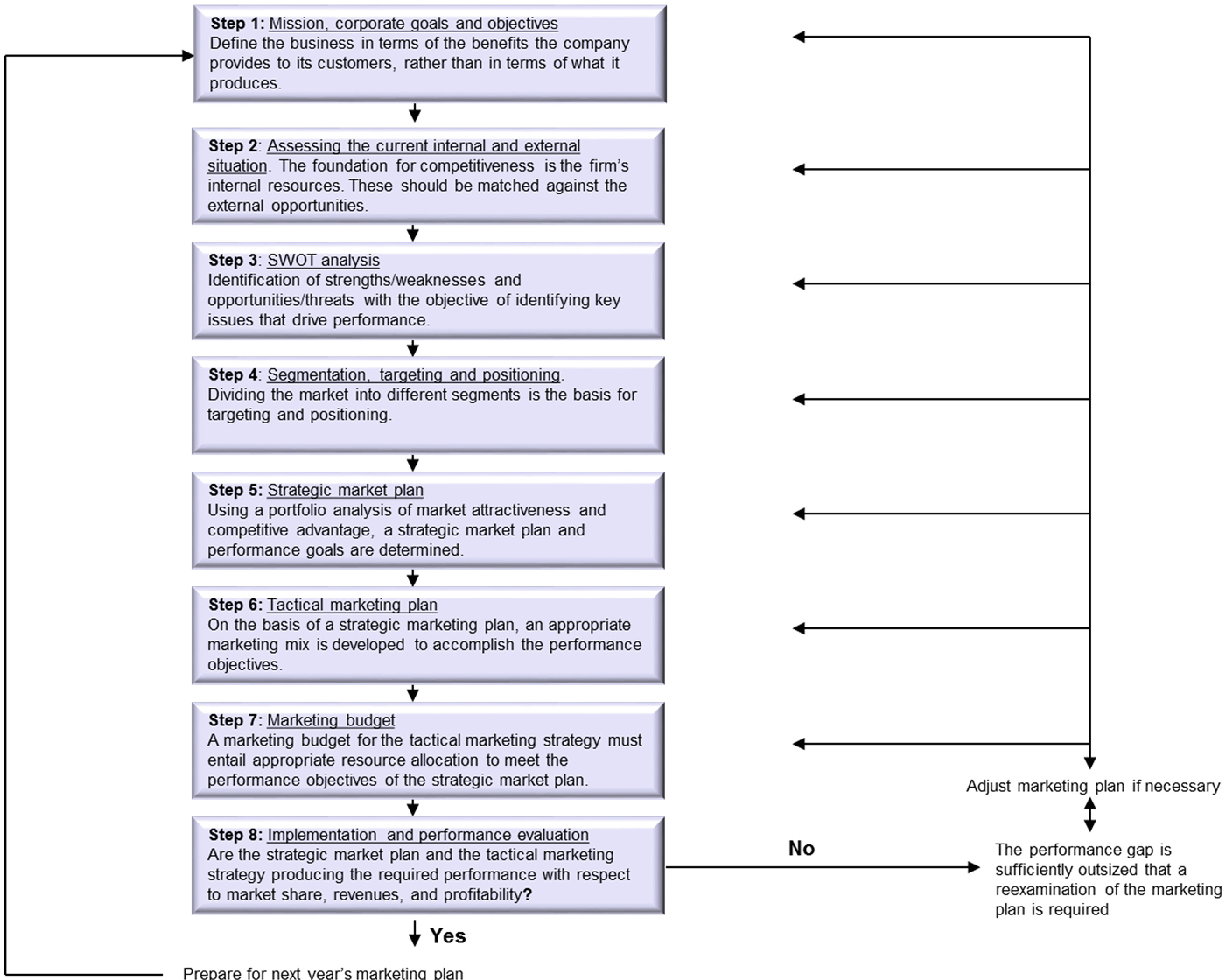
The paper introduces a systematic cycle that treats digital marketing as a living document.
1. Aligning with SMART Objectives
Before a single post is made, companies must set goals that are Specific, Measurable, Achievable, Realistic, and Time-related. The author emphasizes shifting away from "likes" toward "leads and conversion rates."
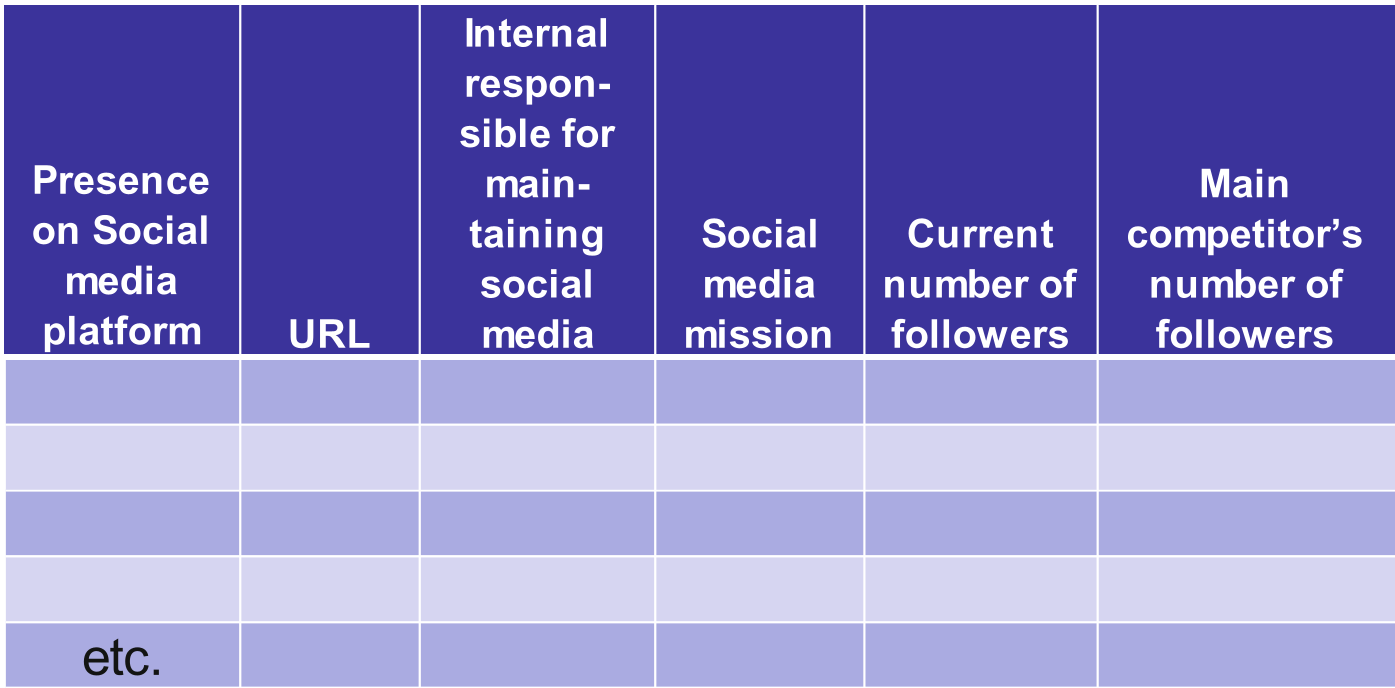
2. The Social Media Audit
You cannot manage what you do not measure. The audit involves evaluating current presence, identify "fake" profiles, and analyzing competitors.
3. Architecture of Choice
The paper emphasizes that every platform needs a Mission Statement. If you cannot define why you are on Snapchat or LinkedIn in one sentence, you should likely delete the profile.
4. Competitive Inspiration & Social Listening
The author suggests looking at "Market Mavens" (opinion leaders) and industry giants like Red Bull to decode the "style" and "habits" of the target audience.
5. Content Matrix and Editorial Calendars
Consistency is achieved through a Content Marketing Plan. This involves a content matrix that defines the "share" of the platform allocated to different goals (e.g., 40% lead gen, 40% culture/CSR, 20% engagement).
6. The Agility Loop: Test, Evaluate, Adjust
The plan is never "done." Using tools like URL shorteners and Google Analytics, marketers must move from data to insights, constantly rewriting the plan to reflect market shifts.
Experimental Insight: From Vanity to Value
While the paper is methodology-heavy, its "results" are found in the strategic clarity it provides. By implementing the 6-step process, organizations achieve:
- Responsibility: Clear ownership of digital channels.
- Commitment: Group buy-in through transparency.
- Adaptability: The ability to pivot when social algorithms change.
Critical Analysis & Conclusion
Takeaway
The ultimate value of this work is the Professionalization of Social Media. It demands that we treat a Tweet with the same strategic rigor as a multi-million-dollar TV campaign.
Limitations
The framework focuses heavily on the "Planning" and "Structure" phases. In today's hyper-fast environment, the "Execution" phase (dealing with real-time PR crises or viral trends) requires additional "Agile" sub-frameworks not fully detailed here.
Future Outlook
As we move deeper into Marketing 4.0, the integration of AI for predictive social media auditing (Step 2) and automated content generation (Step 5) will be the next necessary evolution of Opresnik's framework.