
From Media Intelligence to Collective Intelligence: Bridging the Semantic Gap
Efficient Media Exploitation Towards Collective Intelligence
The paper proposes a framework for "Media Intelligence" that integrates multi-modal semantic analysis (text, visual, and speech) with social and personal context. It aims to bridge the "semantic gap" by leveraging collective intelligence emerging from user interactions on Web 2.0 platforms to enhance content understanding and retrieval.
TL;DR
The explosion of Web 2.0 has left us drowning in unstructured data. This paper outlines a visionary framework for Media Intelligence, which moves beyond simple file analysis to embrace "Collective Intelligence." By fusing visual, textual, and audio data with personal and social context, the authors propose a path toward truly understanding the "why" and "who" behind the content, not just the "what."
The Problem: The Persistent Semantic Gap
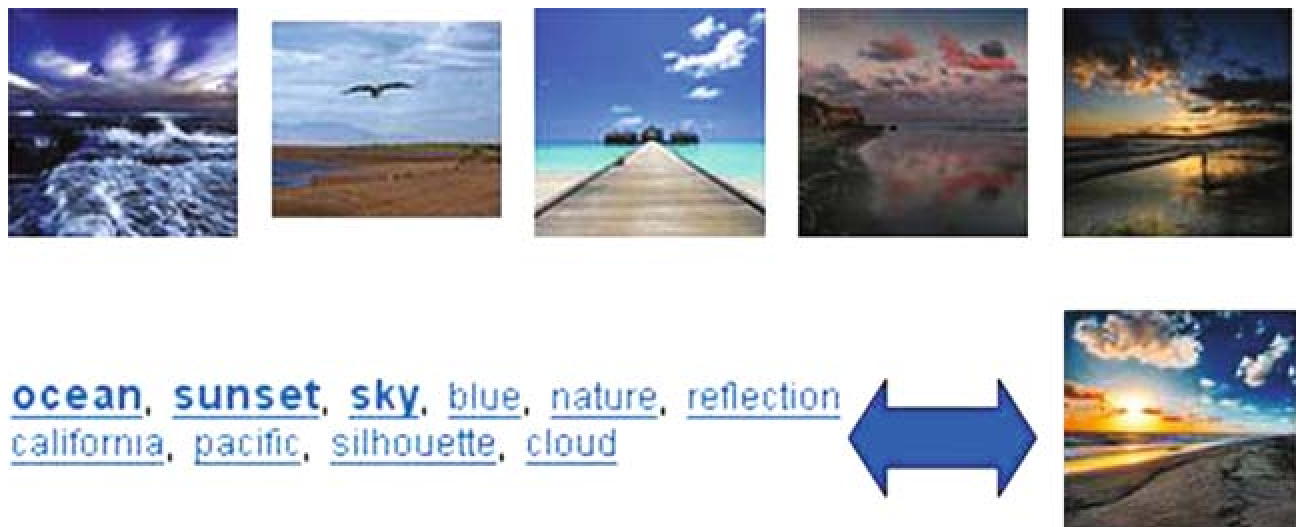
The fundamental hurdle in multimedia research is the Semantic Gap—the disconnect between the low-level pixels/waveforms a computer sees and the high-level concepts a human perceives. Prior works failed because they:
- Operated in Silos: Analyzing text, image, and speech as independent channels.
- Ignored Context: Missing the vital clues provided by who uploaded the content and where they were.
- Lacked Scalability: Methods were often manually tuned to narrow domains (e.g., medical imaging), failing when applied to the chaotic nature of the social web.
Methodology: The Fusion of Context and Content
The core of this work is a multi-layered analysis pipeline that treats metadata and social signals as equal to the raw content.
1. Multimodal Semantic Extraction
The architecture breaks down media into three primary streams:
- Text Analysis: Moving beyond simple keyword matching to model spatial and temporal connotations in unstructured user messages.
- Visual Analysis: Utilizing "Knowledge-Assisted Analysis" to detect objects and events while accounting for visual context (e.g., local vs. global processing).
- Speech Analysis: A hybrid approach combining traditional vocabulary recognizers with a Phonetic Search module to catch "Out-Of-Vocabulary" (OOV) words—crucial for names and locations in emergency response scenarios.
2. The Power of "Collective" Context
The authors argue that "Media Intelligence" only becomes "Collective Intelligence" when it fuses:
- Personal Context: User profiles, preferences, and historical behavior.
- Social Context: Tagging, ratings, and community interactions (modeled via ontologies like FOAF - Friend-Of-A-Friend).
- Physical Context: GPS data, acquisition time, and even camera settings (lighting, flash).
Experiments & Theoretical Results
The paper emphasizes that handling heterogeneity and uncertainty is the ultimate benchmark. By integrating phonetic search, the framework addresses the high Word Error Rate (WER) of 40% typically found in noisy speech environments.
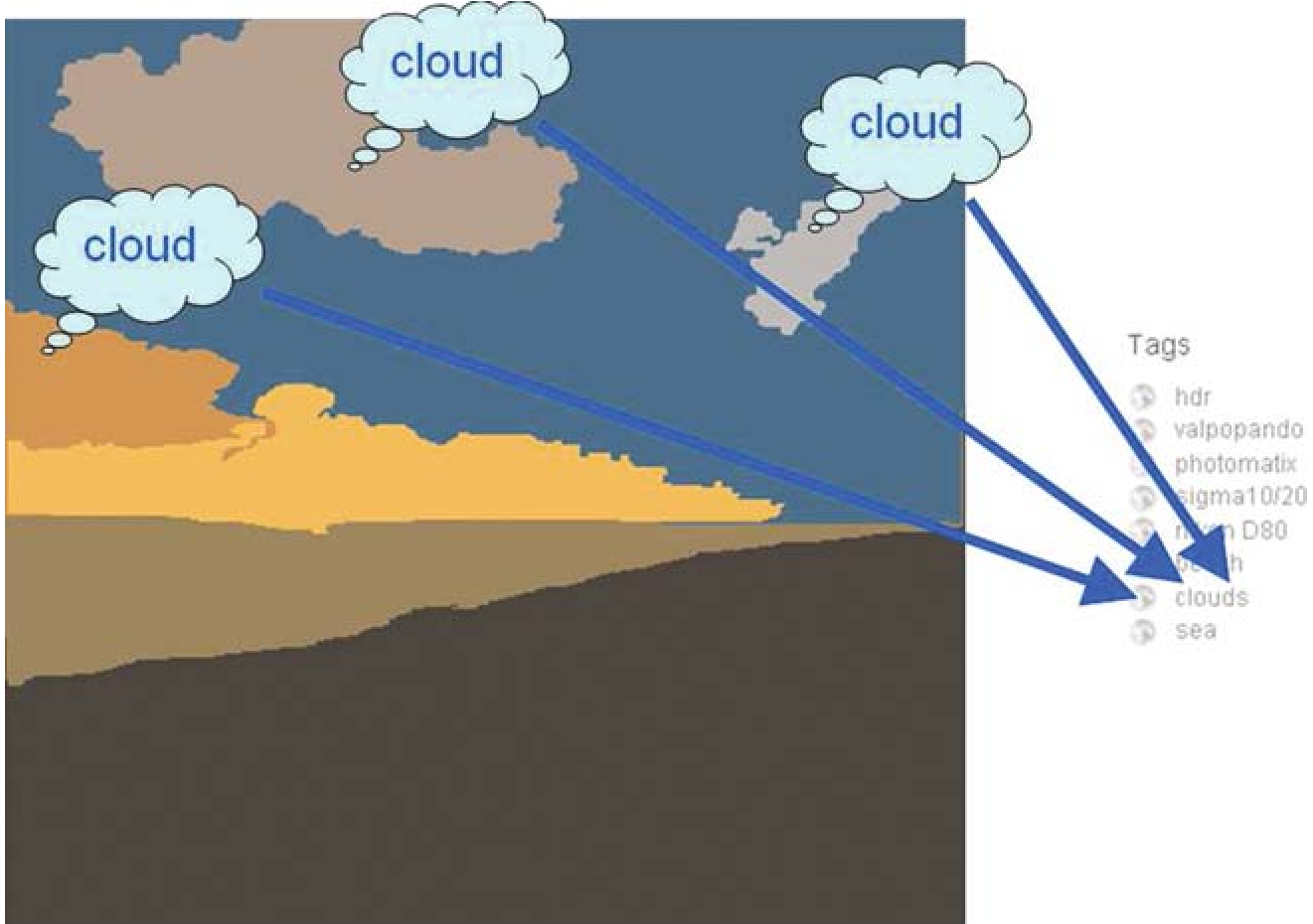
The "Knowledge-Assisted" approach is highlighted as a critical advance, allowing the system to process incomplete or conflicting information—a common occurrence when combining a user's vague text tag with a blurry mobile phone photo.
Critical Analysis & Conclusion
Takeaway
The transition from isolated media analysis to integrated collective intelligence is not just a technical upgrade; it's a paradigm shift. By formalizing how social metadata correlates with content semantics, this work laid the groundwork for modern recommendation engines and contextual AI.
Limitations & Future Work
While the framework is robust, the authors acknowledge that reliability is a major factor preventing these methods from being fully deployed in social networks. The computational cost of "Early Fusion" (fusing raw signals before analysis) remains a challenge. Future research must look at how to maintain user privacy while still exploiting the "personal context" necessary for such high-level intelligence.
Final Thought: In an era of AI-generated content, the lessons here on verifying information through cross-modal fusion and social context have never been more relevant.