
Beyond the Geek: How China's Elderly Hackers are Remaking the Past
Reliving the Past & Making a Harmonious Society Today: A Study of Elderly Electronic Hackers in China
This paper explores "Elderly Electronic Hackers in China," a unique demographic of DIY enthusiasts aged 55+. Using 1.5 years of ethnographic research, the authors introduce a non-Western narrative of making that focuses on repairing, collecting, and modifying analog/digital electronics as a way to negotiate social identity and national history.
TL;DR
Forget the image of a 20-something Silicon Valley hobbyist in a high-tech lab. This paper uncovers a hidden world of elderly electronic hackers in Shanghai who use soldering irons and vintage radio parts to navigate retirement. By repairing "dead" technology, they aren't just tinkering; they are performing a "memory practice" that links China's revolutionary past to its hyper-modern present.
Academic Positioning: This work is a critical intervention in CSCW (Computer-Supported Cooperative Work), shifting the "Maker Movement" discourse away from Western counterculture and toward a socially-situated, historically-grounded understanding of technology production.
The Problem: The "Utopian" Maker Myth
Most academic literature portrays "Making" as a democratizing force or a driver of economic innovation. However, this paper argues that these narratives are often:
- Age-biased: Assuming only the youth "make."
- Culture-blind: Ignoring the political-economic drivers of DIY in the Global South.
- Instructional-focused: Overlooking the emotional and historical weight of the objects being created.
The authors ask a piercing question: What happens when hacking is born out of necessity and national slogans rather than a "California Dreaming" counterculture?
Methodology: High-Rise Workshops and Web Forums
The researchers spent 1.5 years embedded in the Shanghai radio scene. This wasn't just observing hobbyists—it was an exploration of a massive digital and physical ecosystem:
- Home Studios: Inhabiting tiny apartments filled with oscillators, voltmeters, and stacks of analog radios.
- Online Hubs: Monitoring forums like the "Crystal Radio Forum" (186,000+ users) where elders share schematics and "show off" their custom builds.
- Physical Markets: Following hackers to flea markets to "scavenge" components that are no longer in production.
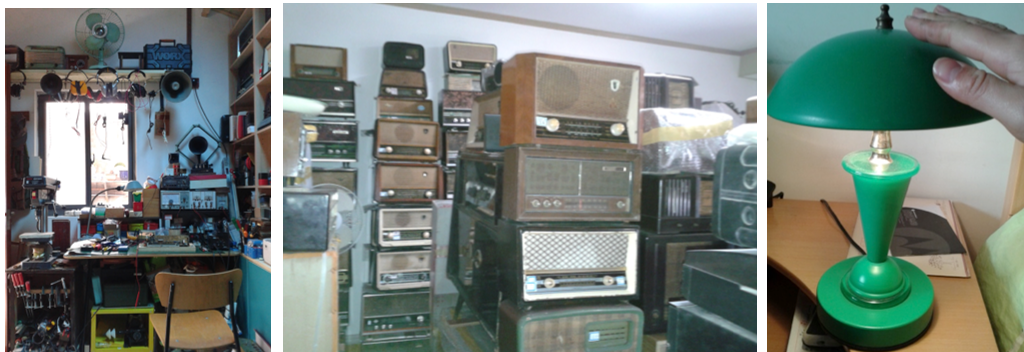 Figure 1: The intersection of domestic space and technical laboratory.
Core Insights: Why They Hack
1. Reliving the "Technoscientific Dream"
For these men, DIY is rooted in the 1950s-70s. Political slogans like "Finding a way to technology" and "If you want something done right, do it yourself" weren't just propaganda; they were survival tactics. Rebuilding a 2P3 Radio Kit today is a way of fulfilling a childhood dream that was too expensive during the Cultural Revolution.
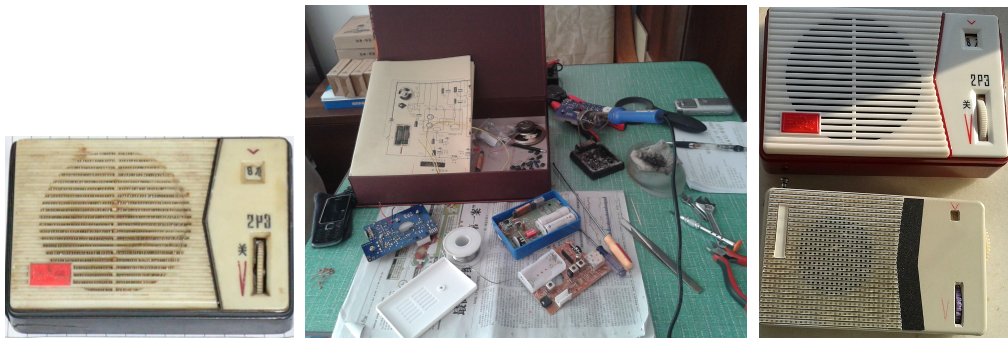 Figure 2: Reconstructing history through the 2P3 radio kit.
2. Mundane Innovation & Smart Homes
Long before "Smarthome" was a marketing buzzword, these elders were hacking theirs. Participant "Fang" modified his apartment with touch-sensors and motion-lights because standard switches were too small for his aging hands. This is Inductive Bias in action—designing for a specific, lived reality rather than a mass market.
3. The Politics of "Quality" (Suzhi)
The paper reveals a darker side of the community: Social Distinction. These hackers view themselves as a "high-quality population" (高素质). They contrast their "healthy" tinkering with other elderly people who "waste time" drinking or playing Mahjong. Hacking becomes a way to prove they are still "productive" citizens in a society that often marginalizes the retired.
Experimental Evidence: Success Beyond the Lab
The "results" of this study aren't just in finished radios, but in institutional impact:
- Industry Collaboration: Companies like TECSUN (a major radio manufacturer) actually use these elderly forums for R&D and beta-testing new products.
- Intellectual Property: Several participants turned their "hobbies" into official patents for audio amplifiers and circuit designs.
- Social Cohesion: The forums provide a vital "digital third space" that mitigates isolation and builds trust in a society where participants often feel they can only trust "like-minded" peers.
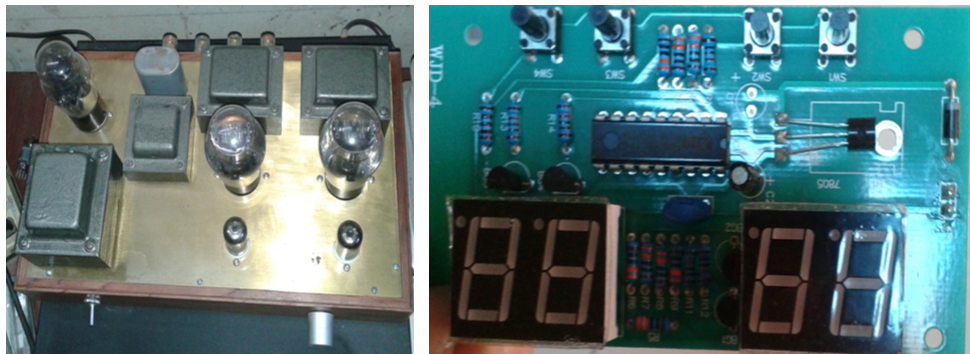 Figure 3: From hobbyist to inventor: Patented products from the elderly community.
Critical Insight: The "Double Edged" Hack
The paper concludes with a warning: Hacking is not inherently democratic.
- Exclusion: It is a heavily male-dominated space.
- Classism: It reinforces social hierarchies by labeling some hobbies as "high-quality" and others as "unhealthy."
- Value-Loading: When we promote "Making" in education or development, we are often forcing Western values of "innovation" onto people who might value "repair" or "preservation" more.
Final Takeaway: For the Shanghai elders, a soldering iron is a time machine. By fixing an old radio, they are repairing the continuity of their own lives against the backdrop of a rapidly changing China.