
The Hidden Language of Interaction: Mastering Emotion Recognition via Standard Input Devices
Implementation of Emotional-Aware Computer Systems Using Typical Input Devices
The paper proposes an Emotional-Aware Computer System that identifies human emotions using standard input hardware (keyboard, mouse, and touch screens). Utilizing a hybrid approach with ANN and SVM classifiers, the system achieves a peak recognition accuracy of 93.20%, outperforming traditional biometric methods.
TL;DR
Researchers have developed a highly accurate (93.20%) emotion-aware system that requires no cameras or brain-computer interfaces. By analyzing the subtle rhythms of how you type, the curves of your mouse movement, and the pressure of your touch, the system identifies states like Fright, Sadness, and Nervousness with precision that exceeds traditional facial recognition.
Context & Motivation
Affective Computing—the art of making computers "sense" human feelings—has long been dominated by high-overhead technologies. While facial recognition and EEG (brain scans) offer deep insights, they are plagued by two major hurdles:
- Privacy & Ethics: Users are often uncomfortable with persistent camera or microphone monitoring.
- Hardware Accessibility: EEG machines are expensive and impractical for daily office work.
The authors of this paper argue that we don't need new sensors; we need better analysis of the sensors we already have. Every click and keystroke carries a "behavioral footprint" of our emotional state.
Methodology: Decoding the Digital Pulse
The study captures data across three primary "modalities" of interaction:
1. Keyboard Keystroke Dynamics
Instead of looking at what you type, the system looks at how you type. It measures:
- Key down-to-down: The interval between pressing two consecutive keys.
- Latencies: Digraphs (two-letter) and tri-graphs (three-letter) timing patterns.
- Error Rate: Frequency of "Backspace" and "Delete" usage, which often spikes during agitation or sadness.
2. Mouse Movement Patterns
When we are annoyed, our mouse movements tend to be fast and "jerky." When we are insecure, the clicks last longer. The authors tracked:
- Curvature: Deviation of the mouse path from the "ideal" straight line.
- Temporal Features: The total motion time and the speed variations between points.
3. Touch Screen Pressure (The Z-Factor)
Uniquely, the study utilized the Z-coordinate (pressure strength) on touch screens. By calculating the first and second derivatives of pressure and movement velocity, the system can distinguish between a "confident" tap and a "hesitant" touch.
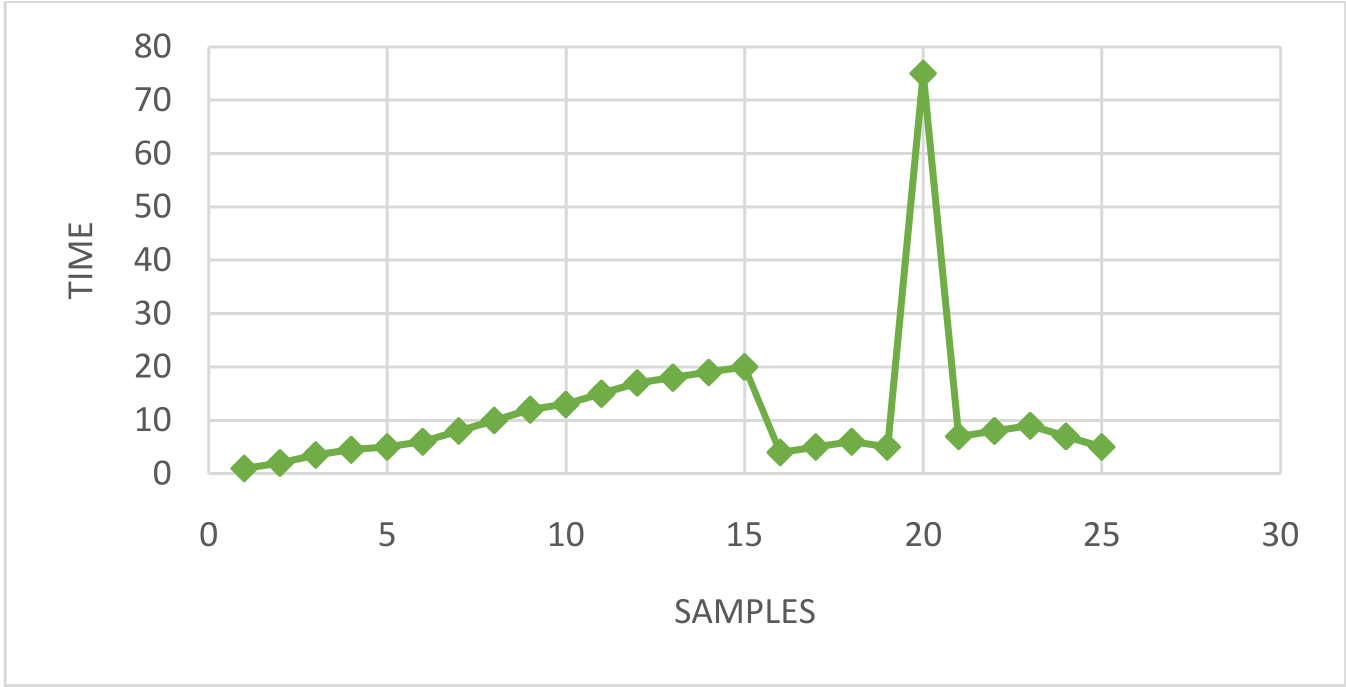 Figure 1: Conceptual overview of the data collection and training pipeline.
Experimental Battleground: Superior to Facial Recognition?
The study evaluated its results using a dataset of 50 users from diverse cultural backgrounds (Malaysia, Germany, Iran). The training was conducted using Support Vector Machines (SVM) within the RapidMiner framework.
The Hybrid Advantage
The most significant finding was the "Hybrid Analysis." While individual devices performed well, combining them eliminated the "noise" inherent in a single modality.
| Emotion | Accuracy (Hybrid) |
|---|---|
| Fright | 93.20% |
| Sadness | 92.10% |
| Neutral | 85.10% |
| Nervousness | 65.00% |
As shown above, Fright (Afraid) is the most recognizable state, likely due to a universal physiological "stiffening" or "jitter" reflected in input devices. Interestingly, Nervousness and Neutral states were the most frequently confused, suggesting they share similar low-energy behavioral patterns.
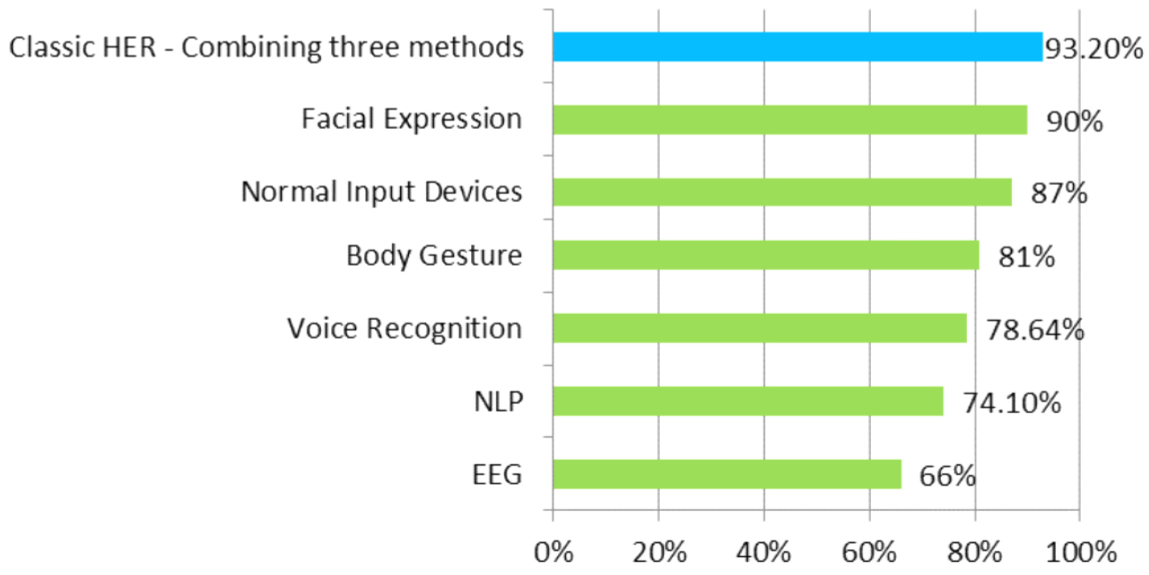 Figure 2: Performance comparison showing the proposed method (far right) surpassing Body Gestures, Voice, and Facial Expression recognition.
Critical Insight & Future Outlook
The core achievement here is the 5% accuracy boost over existing methods, pushing HER into the >90% reliability zone required for commercial applications.
Takeaway for Industry: If you are building a recommender system or an e-learning platform, you don't need a camera to know a student is frustrated. By monitoring input "hesitation" and "jitter," software can proactively offer help or change its tone.
Limitations: The authors acknowledge that hardware quality varies across manufacturers, which can impact the precision of the raw timing data. Furthermore, "Nervousness" remains difficult to distinguish from "Neutral" states solely through input rhythms.
Bottom Line: This research turns every keyboard and mouse into a sophisticated psychological sensor, paving the way for a more empathetic—and less intrusive—digital future.