
Decoupling the Mind: A Stepwise Architecture for Robust Emotion Recognition in Healthcare
On the Classification of Emotional Biosignals Evoked While Viewing Affective Pictures: An Integrated Data-Mining-Based Approach for Healthcare Applications
2010-01-12
Summary
Problem
Method
Results
Takeaways
Abstract
This paper presents a novel integrated architecture for emotional biosignal classification using multichannel recordings from the central and autonomic nervous systems. It utilizes a two-step hierarchical approach—C4.5 decision trees for valence discrimination and Mahalanobis distance classifiers for arousal—achieving a 77.68% average recognition rate across four emotional states.
## TL;DR
Researchers have developed a novel hierarchical framework to classify human emotions by analyzing brainwaves (EEG) and skin conductance (EDA). By splitting the classification task into two distinct stages—**Valence (Pleasure)** and **Arousal (Intensity)**—and accounting for gender differences, the system achieved a **77.68% success rate** across four complex emotional states, offering a robust pathway for remote patient monitoring.
## The Motivation: Why is Emotion Detection So Hard?
In the context of telemedicine and elderly care, understanding a patient's emotional state—such as detecting hidden anxiety or depression—is as vital as monitoring their heart rate. However, physiological signals are notoriously "noisy" and overlap significantly. A signal indicating excitement (High Arousal, High Valence) can look remarkably similar to one indicating fear (High Arousal, Low Valence) when viewed through a single lens.
Most prior works tried to classify emotions in a single "flat" step, which often struggled with individual variability. The authors of this paper hypothesized that by following the **Bidirectional Emotion Theory**, they could achieve higher accuracy by first determining if a feeling is positive or negative, and then measuring its intensity.
## Methodology: The Hierarchical Pulse
The proposed architecture is a masterclass in feature fusion, combining the Central Nervous System (CNS) data from 19 EEG channels with Autonomic Nervous System (ANS) data from Electrodermal Activity (EDA).
### 1. Stepwise Processing Logic
The system doesn't guess the emotion all at once. Instead, it follows a logical path:
- **Stage 1 (Valence Discrimination):** Uses the **C4.5 Decision Tree** algorithm. It looks at specialized features like the latency of the N200 ERP component (at the Fz electrode) and skin conductance amplitude to decide if the emotion is "Pleasant" or "Unpleasant."
- **Stage 2 (Arousal Discrimination):** Once the valence is known, the data is passed to a **Mahalanobis Distance** classifier. This stage is gender-specific, recognizing that men and women exhibit different physiological "distances" between high and low-arousal states.
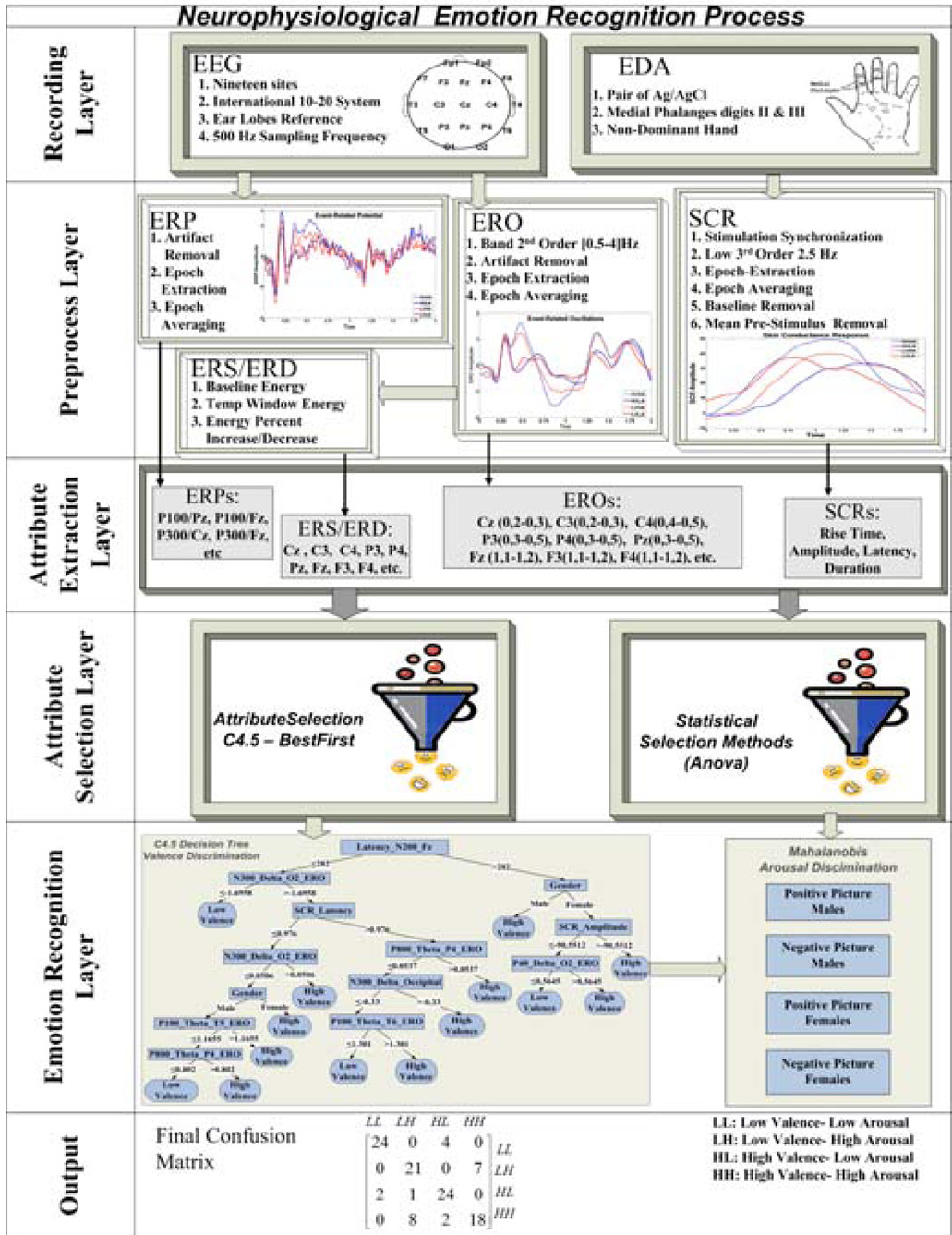
*Figure 1: The multi-layered architecture from recording to classification.*
### 2. Feature Extraction & Selection
The study emphasizes and extracts three types of features:
- **ERPs (Event-Related Potentials):** Voltage peaks like P100 and N200.
- **EROs (Event-Related Oscillations):** Brain activities in the Delta and Theta frequency bands.
- **SCR (Skin Conductance Response):** Measuring the "sweat" response of the autonomic system.
## Results: Breaking the Overlap
The complexity of the problem is best visualized through the feature distribution. As shown in the study, there is a "Great Overlap" in top-level valence features. However, by introducing the stepwise approach and gender stratification, the Mahalanobis classifiers could successfully pull these clusters apart.
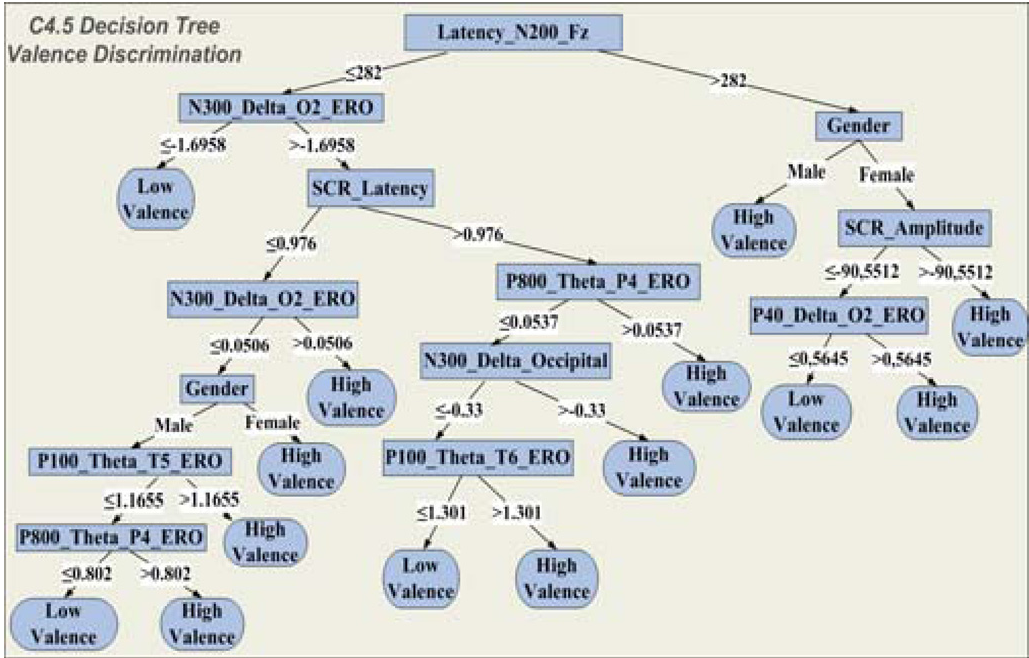
*Figure 2: Performance of the Mahalanobis classifier as features are added.*
The final "Confusion Matrix" revealed that the system was particularly adept at identifying **calm states (LVLA and HVLA)**, reaching **85.71% accuracy** in those specific quadrants.
| Emotional State | Accuracy |
| :--- | :--- |
| HVHA (Excitement) | 64.29% |
| HVLA (Calm/Pleasant) | 85.71% |
| LVHA (Fear/Anger) | 75.00% |
| LVLA (Melancholy) | 85.71% |
| **Overall Average** | **77.68%** |
## Critical Insight: Platform Independence via XML
One of the most forward-thinking aspects of this research is the use of **XML format** for describing results. In 2010 (and even today), interoperability between medical sensors and hospital databases was a major hurdle. By structuring the emotion data in XML, the authors ensured that their "Affective Recognition" module could be plugged into any healthcare thread, from a family doctor's dashboard to an AI-driven avatar for patient interaction.
## Conclusion & Future Look
This work successfully bridges the gap between **Neuroscience theory** and **Data Mining practice**. By respecting the psychological dimensions of valence and arousal, the authors moved past the limitations of "black box" classifiers.
**Limitations:** While 77% is strong, the accuracy drops in High-Arousal pleasant states (HVHA). This suggests that "joy" and "erotic/excitement" stimuli produce more volatile biosignals than negative or calm ones.
**The Road Ahead:** Future iterations will likely move toward **Real-time detection** and the inclusion of more wearable-friendly sensors (like heart rate variability), bringing us closer to a world where our devices truly "feel" our needs before we even speak them.