
Beyond the Wow-Factor: Designing Emotional Engagement in Socio-Cultural HCI
Emotional Engagement for Human-Computer Interaction in Exhibition Design
This paper introduces a design methodology for Human-Computer Interaction (HCI) in socio-cultural exhibitions, exemplified by the Shek Kip Mei (SKM) project in Hong Kong. It moves beyond "technology for technology's sake" by proposing a three-stage framework—Documentation, Abstraction, and Conceptualization—to foster deep emotional engagement through metaphoric and narrative content.
TL;DR
In the realm of exhibition design, technology often serves as mere "eye-candy." This paper challenges that status quo by presenting a structured framework—tested in Hong Kong’s Shek Kip Mei project—that uses local history and cultural metaphors to trigger deep emotional engagement. By moving from documentation to metaphoric abstraction, the authors demonstrate how HCI can foster empathy and historical continuity rather than just providing a temporary visual thrill.
The Problem: The "Machine-Side" Trap
For years, Human-Computer Interaction (HCI) in museums followed a technology-first approach. We saw "hands-on" physical engagement, but often missed the "minds-on" and "hearts-on" components. The core issue is that technology often feels detached from the narrative; a touchscreen is just a screen if the content doesn't resonate with the user's cultural identity or personal memories.
The authors argue that in socio-cultural exhibitions, where the goal is to communicate history and knowledge, HCI must act as a technological artifact, a social fact, and a cultural narrative all at once.
Methodology: The Three-Stage Design Flow
The paper outlines a rigorous three-step process to ensure technology serves the story:
- Documentation (The Foundation): This isn't just desk research. It involves six site visits, focus groups with 60 participants, and interviews with local inhabitants to capture "human" data—feelings, traditions, and daily struggles.
- Abstraction (The Narrative Glue): Here, raw data is distilled into metaphoric icons and symbolic characters. For example, a "plastic flower" isn't just an object; it's a metaphor for the 1950s-70s Hong Kong housewives who supported their families through home-based manual labor.
- Conceptualization (The Interaction): Finally, these metaphors are embedded into HCI. Instead of generic buttons, the exhibition uses sensors, gesture control, and projections to let users "interact" with the history through these icons.
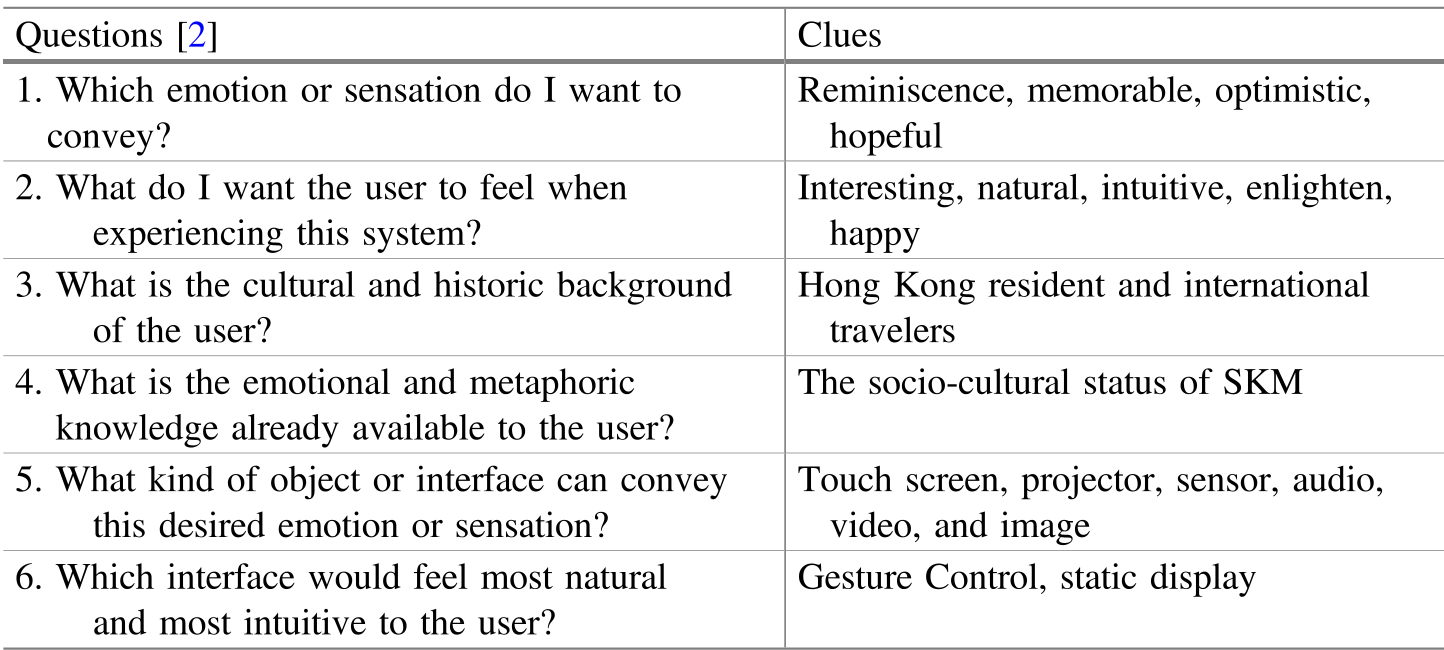 Table 1: The Six Questions guiding emotional interface design.
Turning Metaphor into Experience
The genius of the Shek Kip Mei (SKM) project lies in its use of "cultural clichés" as emotional triggers. By identifying icons like the iron frog or the thermos bottle, the designers tapped into existing socio-cultural knowledge.
- Static vs. Dynamic: The exhibition balances static elements (concrete pipes as documentary theaters) with dynamic HCI (interactive stories of neighbors helping each other).
- Intuitive Interaction: By using gesture control and natural interfaces, the technology disappears, leaving only the emotion.
 Fig 4: Mapping daily life activities into historical timelines for abstraction.
Performance and Impact: Bridging the Generational Gap
The results of the project were two-fold:
- Memory Evocation: For the elderly, the metaphors served as "reminiscence triggers," validating their lived experiences and encouraging them to share stories with younger companions.
- Cognitive Empathy: For younger visitors and travelers, the interactive elements made a "difficult life" relatable and optimistic rather than depressing, transforming a history lesson into an engaging discovery.
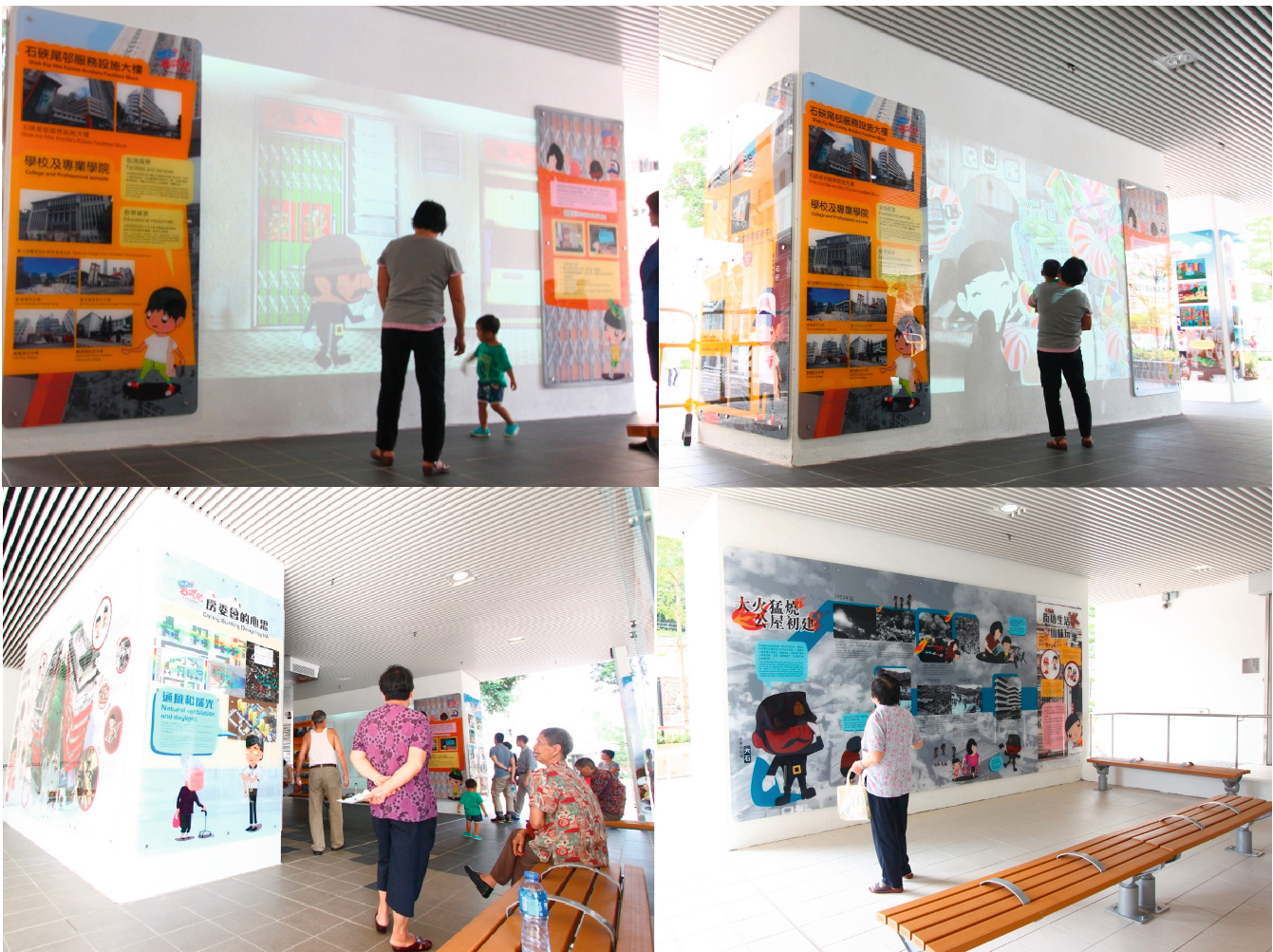 Fig 8: Implementation of the dynamic HCI exhibition space.
Critical Analysis & Conclusion
The SKM project proves that emotion is a valid design parameter in HCI. While emotions are "volatile and ephemeral," they can be stabilized through the use of culturally specific metaphors.
Limitations: The paper focuses heavily on the design process rather than providing quantitative psychometric data on visitor emotions. Future work could benefit from physiological tracking (like heart rate or facial expression analysis) to scientifically measure the "emotional engagement" claimed.
Final Takeaway: For AI and HCI researchers, this work serves as a reminder: the most effective interaction isn't the one with the highest resolution or lowest latency—it's the one that makes the user feel something. As we move closer to "Social HCI," the ability to interweave technology with narrative metaphor will be the differentiator between a tool and an experience.