
Emotionally Intelligent AI: The Next Frontier in Vocational Apprenticeships
Potentials and Challenges of Emotionally Sensitive Applications in Apprenticeship
The paper explores the integration of Emotionally Sensitive Applications (ESAs) using Machine Learning within apprenticeship and dual-education contexts. Through qualitative expert interviews, it identifies key advantages in personalized learning and organizational efficiency while highlighting critical barriers regarding technical reliability and pedagogical limitations.
TL;DR
Artificial Intelligence is moving beyond simple Q&A. This paper explores "Emotionally Sensitive Applications" (ESAs)—virtual assistants that can sense and respond to a trainee's feelings. While they offer unprecedented individualization and cost efficiency, the transition faces a "trust gap" and technical hurdles in mastering human pedagogy.
Moving Beyond the "Cold" Bot: The Motivation
In the world of dual education (apprenticeship), the relationship between the trainer and the trainee is central. Traditional digital tools are often static and "emotionally blind." The authors argue that if a machine could recognize when a student is stressed, bored, or frustrated—via voice, gesture, or facial recognition—it could adjust the curriculum in real-time. This isn't just about "being nice"; it's about optimizing the Inductive Bias of the learning environment to match the user's psychological state.
Methodology: Insights from the Industry
To understand the real-world viability of these bots, the researchers interviewed 10 experts from sectors ranging from power tool manufacturing to financial services. They employed Grounded Theory, a rigorous qualitative method that distills raw interview data into structured technical propositions.
The Core Framework: Potentials vs. Challenges
The study identifies a dual-axis landscape for AI in education:
| Potentials | Challenges |
|---|---|
| Individualization: Adapting content to student needs. | Lack of Trust: Initial skepticism toward AI "judgment." |
| Gamification: Boosting motivation through emotional feedback. | Technical Interpretation: Misreading human nuance. |
| Cost Savings: Accelerating training through 24/7 availability. | Pedagogical Gap: Inability to provide "wisdom" vs. "data." |
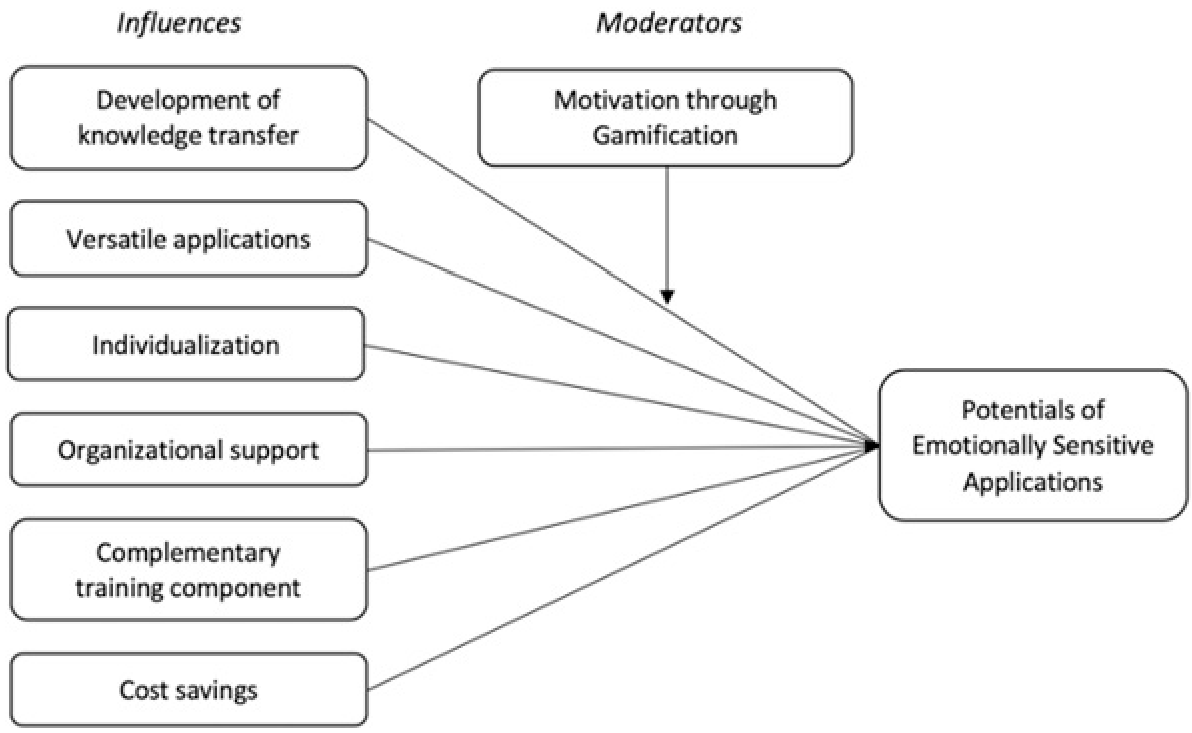 Figure 1: Hypothesized challenges for emotionally sensitive applications.
Deep Dive: The Gamification Moderator
One of the paper's most sharp insights is the role of Gamification. While usually seen as a universal "win," the authors discovered it acts as a moderator. For some trainees, gamified emotionally sensitive tasks increase engagement; for others, it creates "performance pressure" that can lead to burnout. This suggests that the AI must not only be emotionally sensitive to the task but also to the personality of the learner.
Results & Critical Evidence
The experts generally agreed that the greatest value lies in Organizational Support. By handling routine training and emotional checking, AI allows human HR managers to focus on high-level mentoring.
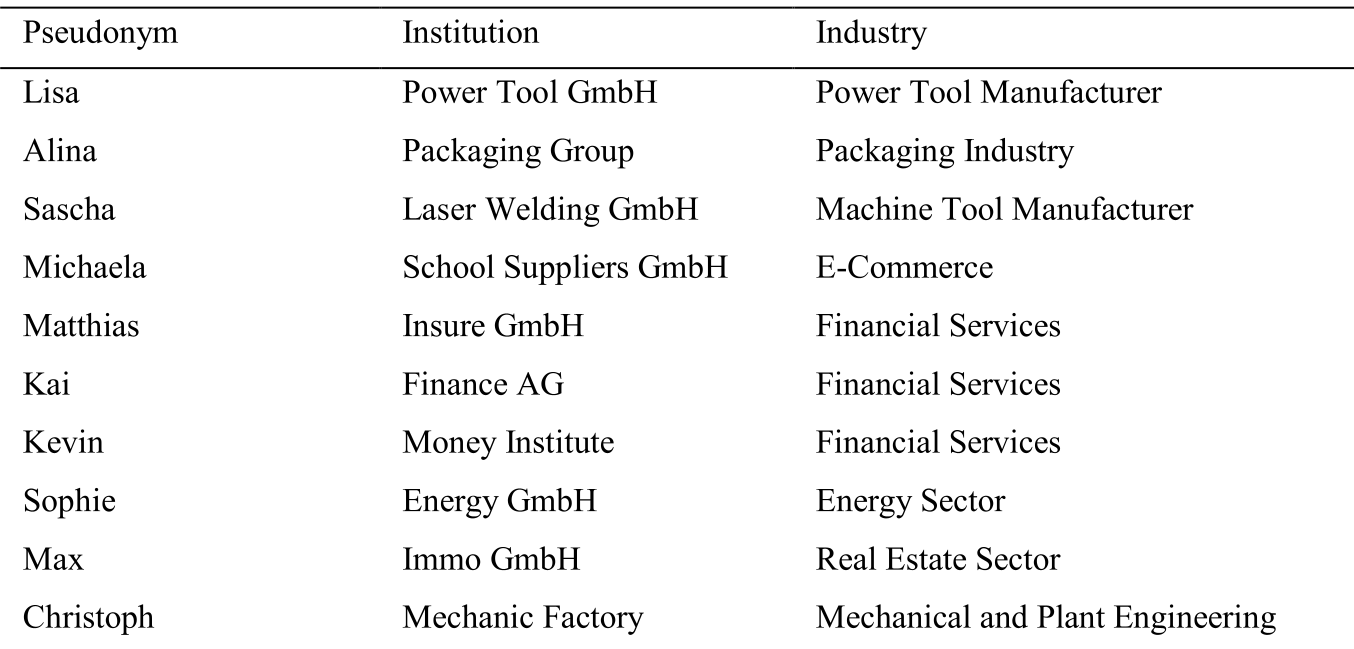 Table 1: Diversity of expert backgrounds providing qualitative grounding for the study.
However, the "Acceptance Problem" remains the elephant in the room. Experts from the Packaging Group and Money Institute noted that users frequently "prefer to talk to a person," viewing the machine as lacking Appreciation—a social currency vital in professional development.
Critical Analysis & The Path Forward
Takeaway
The paper confirms that we are entering a "Blended Learning 2.0" era. The goal isn't to replace the master craftsman with a bot, but to provide the master with a "digital mirror" that understands the apprentice's emotional state.
Limitations & Future Work
- Scope: The study is limited to 10 German SMEs. Cultural attitudes toward AI surveillance and "emotional data" vary significantly by region.
- Data Privacy: As the paper notes, managing "emotional data" is a legal minefield. Future research must address how to store behavioral biometrics without violating GDPR or employee trust.
- The Next Step: We need quantitative benchmarks. How much does Accuracy actually increase when a bot uses emotional recognition vs. standard branching logic?
In conclusion, the future of AI in the workplace isn't just about smarter algorithms—it's about empathetic architectures.