
Co-Regulation: The Secret Sauce for High-Performance Knowledge Crowdsourcing
11414_An Empirical Study on the Influence of Co-regulation on Deep Learning under Crowdsourcing Knowledge Construction.
This paper explores the impact of co-regulation strategies on knowledge construction performance within crowdsourcing environments. It introduces a co-regulation framework and validates its effectiveness through an experimental study where participants utilized specific strategies like target setting and reflection to enhance collaborative task outcomes.
TL;DR
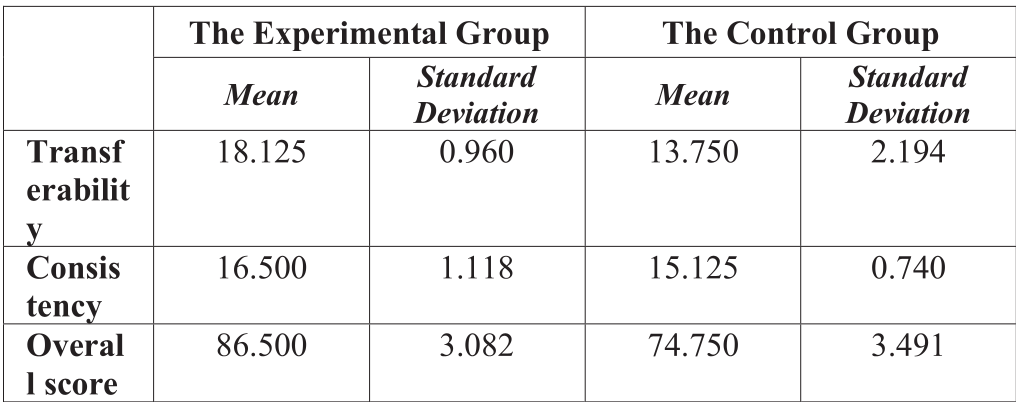
Knowledge construction in crowdsourced environments often lacks cohesion. This paper demonstrates that by implementing co-regulation strategies—such as target setting, monitoring, and reflection—groups can achieve significantly higher scores in creativity, transferability, and overall output quality (86.5 vs 74.75).
The Missing Link: Why Simple Collaboration Isn't Enough
In the digital age, crowdsourcing has become a cornerstone for knowledge production. However, merely "opening" a platform for sharing doesn't guarantee quality. The core problem lies in the lack of synchronized regulation. Without a shared framework for setting goals or reflecting on progress, the "crowd" often produces fragmented, inconsistent, or low-depth information.
The authors argue that knowledge construction is not just a cognitive process but a socially regulated one. They hypothesize that by structuring the interaction through specific co-regulated strategies, the collective intelligence can be harnessed more effectively.
Methodology: The Co-regulation Framework
The researchers split participants into experimental and control groups. The experimental group was guided by a framework focused on:
- Opening and Sharing: The baseline foundation.
- Strategic Interaction: The execution of six specific strategies analyzed via content analysis.
The Six Strategies of Co-regulation
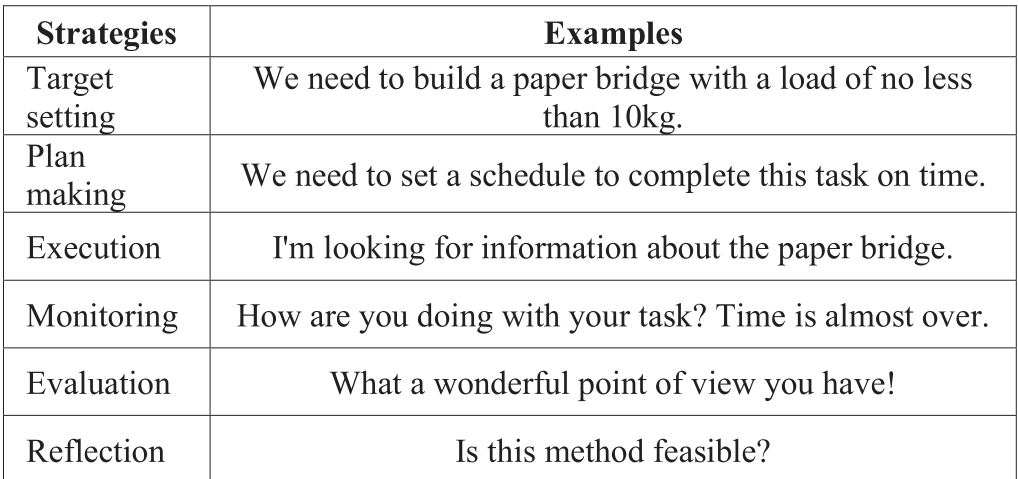
| Strategy | Core Function |
|---|---|
| Target Setting | Defining specific goals (e.g., "Load no less than 10kg"). |
| Plan Making | Establishing schedules. |
| Execution | Active information gathering and synthesis. |
| Monitoring | Peer-checking and time management. |
| Evaluation | Quality assessment of peer contributions. |
| Reflection | Critical questioning of feasibility and methods. |
Experimental Insights: Data-Driven Success
The results provide a clear quantitative advantage for the co-regulation approach.
1. Performance Gains
The experimental group showed a massive improvement in Transferability (the ability to apply the knowledge elsewhere), scoring 18.125 compared to the control group's 13.75. Overall performance also saw an 11.75-point jump.
2. Behavioral Correlation
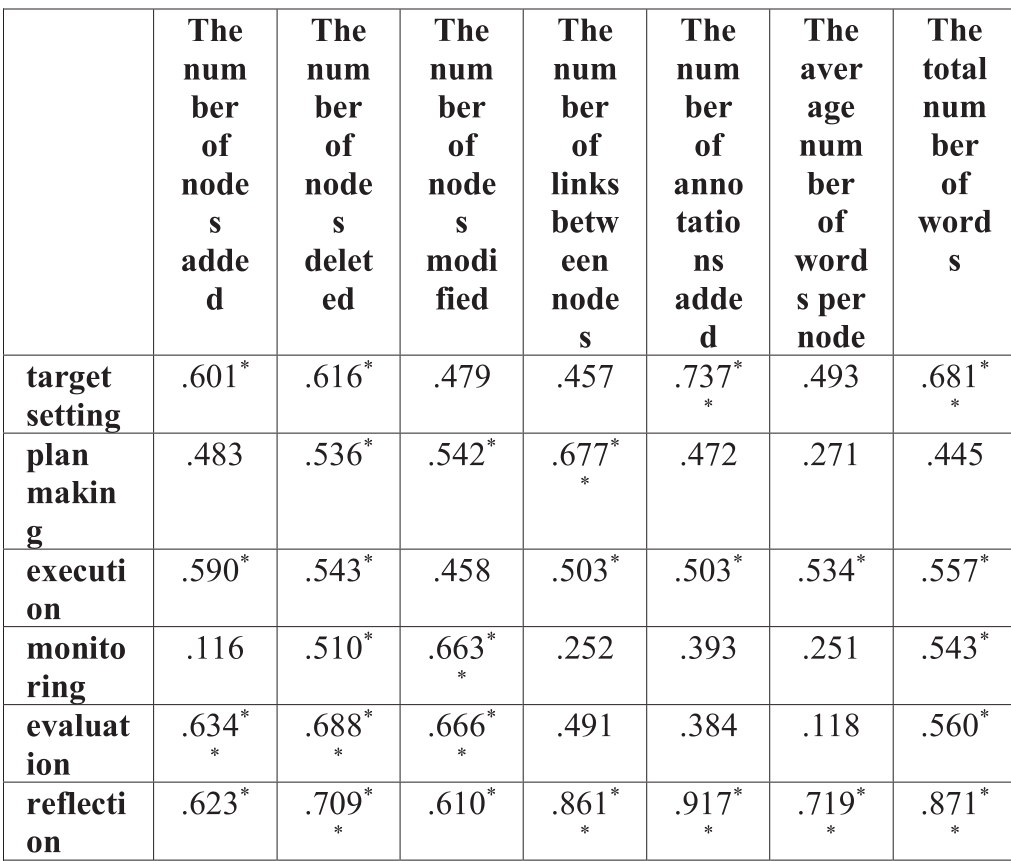
One of the most profound findings is the correlation between specific behaviors (like adding annotations or links) and co-regulation strategies. Reflection was the star of the show, showing a 0.917 correlation with the number of annotations added, suggesting that when participants reflect together, they document their thought processes much more thoroughly.
Critical Analysis & Conclusion
This paper validates that metacognition is social. The success of the experimental group indicates that high-level knowledge construction requires more than just tools; it requires procedural scaffolding.
Takeaway for the Future: If you are building a collaborative platform (like a wiki or a code review system), simply providing a text box is insufficient. You must integrate "Regulation Prompts." For example, nudging a user to "Reflect on this method's feasibility" (Reflection) or "Set a weight target" (Target Setting) can statistically improve the group's output.
Limitations: The study is conducted in a relatively controlled educational environment (paper bridge task). Applying this to more abstract or large-scale "wild" crowdsourcing (like OpenStreetMap or Wikipedia) may require automated AI agents to act as "co-regulators" where human moderators are unavailable.
Future Outlook
The integration of Deep Learning (as mentioned in the keywords) suggests a future where AI can analyze chat logs in real-time to identify which co-regulation strategy is missing and suggest it to the group, effectively acting as a "Collaborative Coach" to maximize collective IQ.